


Articles

Article
Best Candle Scents
Best Candle ScentsRecently a great question was posted on Natures Garden s Facebook Page. We thought that this was such a good question that we wanted to make a blog post about it.The question was, What scents work best in candles? Looking for the best candle scents can be quite a task. You want to ensure that the candle has both a great cold throw (the smell of the candle when it is not lit) and hot throw (the smell of the candle when it it lit and has a wet pool.) As always, testing is key. However, to help in the quest for best candle scents, we turned to the pros. We asked our candle making friends on Facebook to give us their suggestions and input on what they thought were the best candle scents. The responses we received were plentiful and very helpful. To all of the candle makers that shared your input, thank you very much.After reviewing, researching, and calculating the information, we complied a list of the top 20 best candle scents. These scents are listed in no particular order. Complimenting each candle scent suggestion is a customer review on their personal experience with the fragrance oil in a candle.1. 7 UP Pound Cake Scent- This FO is soooo good. We use it in soy wax, and it is beautiful and strong. It is very popular with our customers. We are so in love with this fragrance!! 2. Apple Orchard Scent- Fantastic cold/hot throw in soy. Clean, crisp, classic red apple scent without the spice. I'm sure this one will be a favorite year-round. Used 1 oz per lb of 100% soy. 3. Black Cherry Bomb Scent- This black cherry is definitely the bomb. I made a soy candle and was very pleased with the cold and hot throw of this fragrance. 4. Blueberry Cobbler Scent- I went out on a limb and bought a sample of this one. I didn't like it right out of the bottle. Tried it in Natures Garden Soy Wax and it was LOVELY! Amazing scent throw with this one. Will buy again. 5. Blueberry Muffin Scent- This fragrance is AMAZING. Really fills the room in a soy candle. Please do not ever stop making this fragrance. 6. Bite Me Scent- Wonderful cold and hot throw in soy. Cured for only 24 hours and it had an awesome throw. Love it! 7. Cashmere Type Scent- This Cashmere is awesome! I just love the floral and sweet notes in it. It's very sensual. I used in soy wax. It has a great cold and hot throw. Love it! 8. Coco Mango Scent- This is a great summer scent! The coconut & mango in it have a strong throw in my soy candles. This fragrance has a stronger throw than most. I have many requests for it. This fragrance is a must have! 9. Country Bumpkin Scent- Really a great fall fragrance. Strong! Threw hot and cold. I swear you could smell all the wonderful layers to this fragrance. Used in a paraffin soy blend 1.5 oz. 10. Eucalyptus Spearmint Scent- I used this scent in candles. The scent is wonderful. Spearmint is a natural mood up lifter, burning this candle makes life easier. 11. Fresh Linen Scent- This is a best seller for me. If you are looking for a crisp, clean scent, then this is for you. Excellent cold and hot throw in 100% soy. 12. (NG) Island Fresh (Gain) Type Scent- The first day I debuted this fragrance my customers absolutely loved it! Smells just like the real thing and has a strong wonderfully fresh scent. I would highly recommend to all other candle makers. 13. Lick Me All Over Scent- It s another "sleeper" It s okay in the bottle, but once its in 100% soy its AWESOME! I used hot pink dye and its perfect. I've already had customers wanting this in everything from candles to bath and body products. 14. Lilac Scent- My customers can't get enough of this. It is a true lilac scent. Excellent scent throw both hot and cold. 15. (NG) Loving Spell Scent- This is my number one seller of all. I purchase multiples of this scent each time. Scent throw is amazing and it smells just like V.S. Lovespell. If you don't have this one you re missing out! 16. Monkey Farts Scent- Monkey Farts fragrance is outstanding! Banana scent POPS! I used in Ecosoya CB Advanced Pure Soy, 1 Pound & 1 oz. Monkey Farts. 48 Hours cure time the cold throw was good. In 4 Days cure time, the Cold and Hot throw was AWESOME!!! Very Strong. 17. Peppermint Patty Scent- I was surprised on how this smelled the real thing. Love it. This is going into my collection. Used in 100% Soy wax. Great hot and cold scent throw. 18. Pink Sugar Type Scent- Amazing FO! Warm & sweet, but romantic and slightly feminine. Does smell of cotton candy, but so much more complex. Great throw in soy, both hot and cold. Love it, love it, love it! 19. Red Hot Cinnamon Scent- This is a must have. This is just like the candy. Used in soy wax. Excellent scent throw. 20. Sweet Orange Chili Pepper Scent- This FO is really fantastic. Powerful orange citrus scent with a spicy kick. Very unique. I used this in soy 464 and a parasoy blend and both had outstanding cold and hot throws.

Article
Best Ways to Center Candle Wicks
We asked our Facebook Friends what creative ways they use to center their wicks for candle making. The responses were very effective, unique suggestions, many of which involved household items they had at their disposal.Best Ways to Center Candle WicksObviously at this point in your candle making, you have dedicated a lot of time and money learning, testing, and researching everything there is to know about making candles. All this is accomplished by you with one end goal in mind crafting the greatest candle you can!For all the sacrifices made and devotion set forth in crafting candles, one thing is for sure; you do not want one simple little thing as an off centered wick to prevent you from that perfect candle. In a candle, an improperly centered wick directly affects the burn, your melt pool, and your hot scent throw. So, needless to say, ensuring that you have a centered wick should be a top priority.There are many different options you have to center your wick. Sure, you can buy a wick centering tool, wick bar, or self centering wicks, but since Natures Garden has such wonderfully talented customers, we thought we would ask them how they do it. We turned to our Natures Garden Facebook Fans to share any input or suggestions that they had for centering candle wicks. The responses were super creative, and many of their ideas had little to no cost.The first step in centering your wick is to find the center. Tips for finding the center:Since many of the candle jars that are used are transparent, one customer suggests using a printed dart target to get that perfect bulls eye center each time with their wick tabs. You will of course want to tape these bulls eyes to your work space so that they are consistent every time. Then, it is just a matter of placing your jars on top to find the center.Because most crafters have a continuous standard with their jar sizes, one of our customers traces the bottom of the jar onto cardstock. Then, using a tape measure they calculate the exact center and mark it on the cardstock. This cardstock then becomes a template for centering the wick each time that jar size is used. The result is a perfectly centered wick.So, now that you know where the center of your jars is. The next step is securing your wick to the bottom. Here are some of the great methods provided by our Fabulous Facebook Fans for this step:Hot Glue Gun: By placing a dap of hot glue in the center of the candle jar, and then gently pushing the wick tab over the glue before it hardens; you can secure your centered wick tab and pull the wick straight.Glue Dots/ Sticky Wickums/ Sticky Tack: The same concept as a hot glue gun, you simply remove the glue dot from the backing and place it on the bottom of the wick tab. Then, press the wick tab in the center of the bottom of the candle jar and secure. Pull the wick straight.Empty Pen Tube/Drinking Straw: Using an empty pen tube that the wick is threaded through you can press the tab right on the glue dot/hot glue at the bottom of the candle jars. This is a great option for those of you who can't necessarily reach the bottom of your jars to secure the tabs to the bottom.Tips for keeping your wick centered: Pencils: Using a pencil wrap the excess wick around it and lay this across the opening of the candle jar. This will keep the wick straight and tight while the wax is cooling.Cardboard/Cardstock: Using cardboard or cardstock to cut a thick stick that can lay across the top of your candle jar is a perfect solution to keeping your wick straight. By making a small slit in the cardboard stick, you can easily slide your extra wick in place and hold it there. Nicole Streeter even takes it a bit further by adding that she uses the cardstock with the slit in the middle but also writes the scent of each candle on the cardstock. This is the perfect solution when doing multiple fragranced candles.Chopsticks/Coffee Stirrers/ Popsicle sticks (aka craft sticks)/ Kabob Sticks (aka Bamboo Skewers): This is essentially the same idea of the pencil with the excess wick wrapped around it. But, how this differs is you use this method if you do not have a lot of excess wick available for wrapping. By placing 2 of the same items together; secured at each end with rubber bands/strings/hemp, you are now able to simply slide the excess wick through the middle. These items secured together will allow for a nice taunt hold of the wick. With the popsicle sticks you also have the option of drilling a small hole into the center of your craft sticks with a dremel. If there is any extra wick, this can be easily wrapped around the craft stick once it is secured through the hole.
Article
Benefits of & Uses for Citric Acid
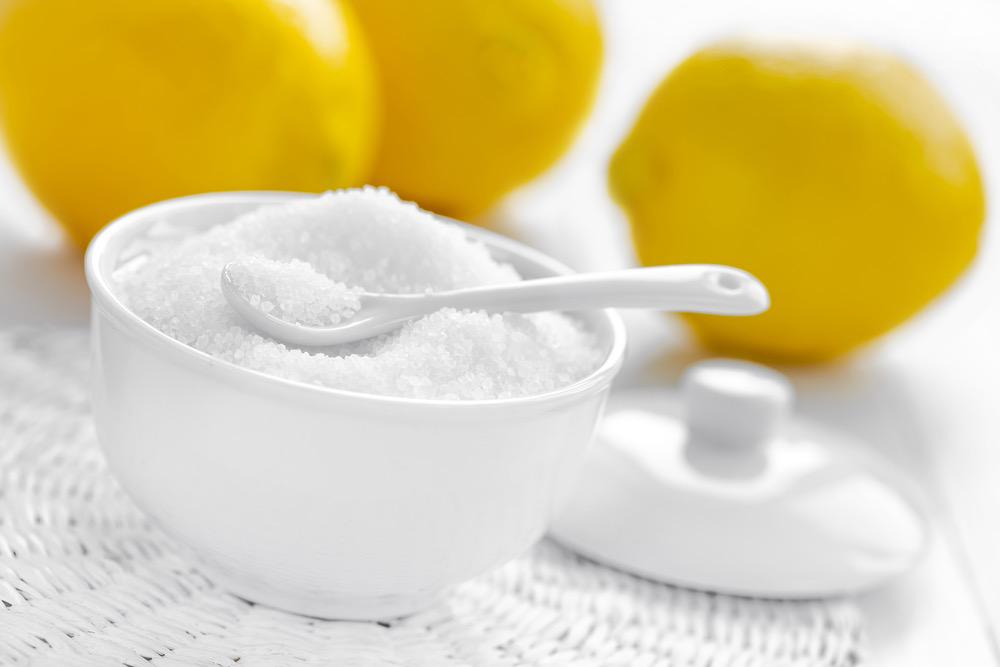
Naturally found in bitter/sour tasting fruits such as oranges, limes, lemons, grapefruits, etc; citric acid is the naturally occurring organic acid that gives such fruits mentioned above their typical sour taste. Although citric acid is found in various fruits and vegetables including raspberries, tomatoes, and some peppers, it is most potent in limes and lemons consisting of up to 8% of the dry fruit s weight. This amount varies based on factors like climate and soil conditions.Besides fruits and vegetables, citric acid can also be produced from cane sugar, molasses, and dextrose as well.For biochemistry means, citric acid occurs in the metabolism of nearly every living creature. This is due to citric acids vital role in the Krebs cycle. Outside the metabolic role of citric acid, it is also a common go to ingredient for cosmetics, pharmaceutical, food, beverage, and cleaning industries. In fact, citric acid has been deemed safe by all major food regulatory agencies both on the national (FDA) and international end.Sold most commonly in a powdered or crystalline form that is white, citric acid can be used as an antioxidant, preservative, pH adjuster, emulsifier, additive, cleanser, and stabilizer.The industry yielding the most use out of citric acid is food and beverage. This is because citric acid is an additive that can be found in everything from meat to ice cream to candy and especially soda pops. Obviously, citric acid can be ingested and very few people are allergic to this ingredient. Although a typically harmless additive; this natural substance is sour and when consumed in larger quantities, may cause an upset stomach.On the cosmetic end of things, citric acid is starting to gain popularity. More and more, people are starting to realize the benefits of using citric acid in their homemade bath and body products because of its pH adjusting abilities. Items like bath tablets and bath bombs (or bath fizzes) require citric acid as a base ingredient for their formulation. It is solely this ingredient s interaction with baking soda that produces carbon dioxide the characteristically known and sought out fizzy action when introduced to water. Citric acid is also used in masks, peels, creams and lotions because it is an alpha hydroxy acid, giving products great exfoliate and emollient properties.When it comes to antioxidants, citric acid is phenomenal. Not only does this natural substance help to rejuvenate and refresh the skin, but it also helps to stall the aging process in your skin. Citric acid also works as both a tonner and a cleanser. For recipes outside of bath bombs, citric acid can be used up to .5% of the total recipes weight. To add this ingredient to bath and body recipes, simply dissolve the citric acid in a liquid, and heat the mixture to 165 degrees Fahrenheit before blending it into your other ingredients.The cleaning industry also has many uses for citric acid. It is considered an environmentally friendly cleaning agent.This natural substance makes a great water softener, breaking down the small amounts of metal that is commonly found in water. When it comes to treating hard water, citric acid is an optimal choice for an all natural water softener.As for a cleaning agent, citric acid is quickly gaining popularity in kitchen and bathroom cleansers. Not only does citric acid remove hard water stains from glassware, but due to the nature of this natural ingredient, it works great as a deodorizer with its instinctive clean citrus scent.There are some cautions that should be noted with the hands on use of the concentrated (powdered form) citric acid. Always use caution when dealing with citric acid. Skin irritation may occur from interacting with large amounts of citric acid, especially if you have sensitive skin. Always wash your hands after touching citric acid. Never rub your eyes after touching citric acid. Finally, when using products with citric acid for its alpha hydroxy acid benefits; prolonged and aggressive use is not advised. Doing so will cause skin irritation. Most skin treatments that involve alpha hydroxyl acid are followed by applying a facial toner that neutralizes the skin's ph.To store citric acid, it should be placed in an air tight container away from moisture. The container should be kept at room temperature. This will eliminate any chance of humidity from activating its fizzing ability. If housed in this manner, citric acid can have a shelf life of up to multiple years.

Article
Beeswax Benefits
Hey all crafters out there! Do you love being creative with your crafts? We certainly do! How do you feel about beeswax as an ingredient? Does it make you think of spring with the buzz of bees all around you? Or maybe the word brings warm delicious honey to mind? Well, it may surprise you that the creations of those busy bees out there is also used for soaps, candles, and other bath and body products! I know it sounds a little bit crazy, but it s true! And we actually sell beeswax pastilles here at Nature s Garden! You should definitely try it out!Beeswax is originally made from the honeycomb of bees. It can be used for medicinal purposes such as relieving pain and lowering cholesterol. It is also used for diarrhea, ulcers, swelling and can even be used for hiccups! Beeswax can also be used as stiffening agents in foods and drinks. Besides soaps and candles, other bath and body products can contain it as well, such as cosmetics and toiletries. It can be used to make soaps harder and help them last longer. It can also be used as a thickener and emulsifier.There are many many benefits for your health and skin care by using beeswax in your products! Besides the medicinal purposes, if used in lotions, it can act as a protector for your skin. It will form a barrier on your skin in protection from irritants. It will also help your skin to retain moisture. Another bath and body product, lip balms, can also contain beeswax. It can help your lips from becoming chapped. Awesome right? I mean how much better could it get? It is such a versatile product!Here at Nature s Garden we actually sell beeswax pastilles. No chemicals were used to bleach our wax, it was naturally bleached from air and sun exposure. We also offer a free beeswax class that will teach you how to properly use it in your great products! And on top of that, we also have a free recipe for a beeswax candle! If you re a candle maker, you should definitely make a note to yourself to try this awesome candle as an upcoming project. Now to get to those products on our website, there are a couple of ways. First, you can just type beeswax into the search bar on the top of our site. That will take your directly to a page titled Search Results for Beeswax which has all three of those products. You can also go to our Candle Supplies option at the top of the site and hit Candle Waxes in the drop box. The pastilles are available there. The recipe and class are available by going to the link at the top of the site that shows a little green box that says Free Classes and Recipes, or there is also a link to the classes and recipes on the left of the site.How much more awesome could this product get? Not much I think! It is just so versatile! All crafters should definitely include this as a new ingredient in their products or should make sure to try it out soon! Please contact us if you have questions or concerns and keep looking for more Enlightened by Layla!

Article
Benefits of Jasmine Flowers
This gorgeous flower only blooms at night and will provide a sweet aromatic fragrance. Often, the Jasmine flower is thought of as romantic and has been inspiring for both poets and lovers alike. Furthermore, there are many benefits of Jasmine Flowers for your entire body. Many have found that these lovely flowers have some wonderful properties for your body inside and out. Plus, your homemade bath and body products can benefit from incorporating this skin loving cosmetic herb! If you want to learn more about this cosmetic herb, then check out the rest of this article as we discuss everything from growing conditions to the skin loving benefits.Benefits of Jasmine Flowers: Growing ConditionsJasmine flowers enjoy bright, direct sunlight and warm, tropical climates. It likes the temperature to be around 60 to 75 degrees Fahrenheit and the plant doesn't handle the cold well. So, anyone that is in a climate that is cooler or has cold winters should keep their plant inside. Also, you will need to make sure that your Jasmine plant is near a window. Furthermore, you can bring your plant outside for a few hours in the summer to promote new, healthy growth. Also, this beautifully fragrant plant will need a lot of water. You will likely need to water your plant at least one a week, but you can water your Jasmine plant more frequently if the soil isn't staying moist.If you are taking good care of your plant, then you should start to see blooms around fall time. You can encourage these blooms by providing cool, well-circulated air through out your home. Also, this would be useful to continue for anyone trying to get winter blooms. While you want a cooler temperature for your blooms, make sure that it doesn't fall below 41 degrees Fahrenheit. Once the blooming season has been completed, you may need to prune your plant by removing any dead foliage, tangled stems, or diseased areas of the plant. Additionally, you can trim unruly stems that may interfere if you are training your plant to grow a certain way.Benefits of Jasmine Flowers: Propagating a Jasmine PlantIf you want to propagate a new plant, then your best route would be to use a cutting from your existing tree. You can start propagating your new plant some time between June and October. All you need to do is harvest some cuttings for the ends of new growth, dip them in a rooting hormone, and push the cut ends into a medium without soil, like peat. Then, keep the plant moist until it begins to root, which is when you can transplant your new jasmine plant.In the first two years of your plant's life, you will want to pinch and prune your plant. Once the plant grows a new branch, you can pinch the top half inch of the new growth. Simply squeeze the end between you fingernail and finger. You can do this to the main stems toward the middle as well as the lateral stems. While it may seem damaging to your plant, it will actually promote lush, healthy growth. So, this will eventually lead to a bigger plant with beautiful blooms!Benefits of Jasmine Flowers: Uses in the IndustryNot only can you use the gorgeous, natural Jasmine plant to scent your home, but this fantastic herb that can be used in many other ways. First, you can use these gorgeous flowers to create some delicious teas or deliciously exotic recipes. Not only would these recipes taste wonderful, but these flowers have some benefits for the body, too. Further, this floral herb even has some benefits for your skin. So, it would make a great addition to your bath and body recipes! Now, let's go over all the beneficial ways that you can use this cosmetic herb.Benefits of Jasmine Flowers: Cosmetic UsesFirst of all, these beautiful flowers are perfect for providing your all natural recipes with a gorgeous, light floral aroma. You can have the lovely scent of Jasmine on its own or you can combine it with the aroma of other natural scented oils. Further, the scent of this floral cosmetic herb has been shown to help reduce stress in many people. This is because the body's response to this aroma is to release chemicals in the brain that improve mood. Not only will these lovely flowers provide a nice, natural scent to your products, but these flowers will provide all kinds of benefits for your skin.Benefits of Jasmine Flowers: Cosmetic Benefits for SkinUsing Jasmine Flowers in your cosmetic products may be beneficial for relieving pain or muscle soreness. This cosmetic herb is thought to contain pain relieving and antispasmodic properties. So, you can add this cosmetic herb to your bath and body recipes to allow your sore or stiff muscles to soak. Plus, this herbal soak has even been found to be beneficial for sprains.Further, it is thought that you can use the oils of this aromatic flower to help fade scar marks. So, you can incorporate some jasmine flowers into lotions or soaps to help reduce the appearance of scar marks that may be left behind by acne , boils, or wounds. Also, this can be useful to help reduce stretch marks. Furthermore, you can use the antioxidants in this cosmetic herb to reduce signs of aging. These properties are useful to protect your skin from environmental factors and provide a youthful appearance to the skin. So, this herb will help leave your complexion looking youthful and perfect.Another reason why this cosmetic herb is perfect for bath and body recipes is that it is thought to contain properties that are antiseptic and antibacterial. Additionally, the Jasmine flower herb can be used to hydrate and condition, which can be used to rejuvenate your skin. So, adding this herb to lotions and other cosmetic recipes would provide dry skin with the moisture it needs to be its healthiest. Further, this cosmetic herb is often used to treat eczema and dermatitis, as the herb contains both anti-inflammatory and conditioning properties.However, this floral herb can cause irritation for cracked or open skin wounds, as it doesn't have non-sensitizing properties. Further, anyone with allergic reactions to Jasmine should be cautious with this herb.Benefits of Jasmine Flowers: Nature's Garden RecipesFirst of all, you can incorporate these lovely flowers into bath teas or other bath and body recipes to soak in and nourish your skin. We created our Fairy Dust Fizzy Bath Recipe with this herb to pamper your from head to toe.Additionally, you can use this herb to create skin nourishing herb soap. We've used Jasmine Flowers to create soap bars which use these blossoms to decorate the soap bars as well as help nourish the skin. Plus, adding these flowers would provide a nice, natural scent for your homemade CP soap recipes.Benefits of Jasmine Flowers: Medicinal UsesThere are many ways that you can use this herb to benefit your health. You can incorporate jasmine extract into your diet or use Jasmine tea to add these beneficial properties to your body.This herb has been found to be beneficial for cardiovascular health. The properties in this herb, like catechins, that can be used to reduce the oxidation of bad cholesterol. So, you can use this herb in a tea to help reduce your chance of strokes or heart attacks as well as decreasing your cholesterol ad blood pressure levels. Additionally, you can use this herb to promote good oral health. Many people have found that this herb can be useful for reducing tooth pain, preventing infections, and other benefits.Also, this herb is thought to have calming properties that can be useful for improving mood. So, you can include this herb in teas to help reduce negative emotions stress, anxiety, or anger. Additionally, it is thought that the anti-inflammatory properties of this herb can be useful for reducing the pain for arthritis and any other inflammation based issues.Nature's Garden products are not FDA approved. They are for external use ONLY and should NEVER be ingested. While many of our herbs, botanicals and other products are believed to play a role in overall well-being, none of them should be viewed as medicine or having any direct medical benefits whatsoever. Keep them away from children and pets, and pregnant and/or lactating women should handle them with care.Are you a doctor? If not, that makes two of us. Due to FDA regulations, we cannot and will not answer medical questions or provide dosage recommendations. Consult a healthcare professional for any questions related to our products. Any information provided by Natures Garden on the properties of our products are for educational purposes only and not to diagnose, cure, treat or prevent any disease or ailment. Do not, under any circumstances, market your product as medicinal, curative or pain-relieving based off our descriptions.
Article
Benefits of Honey in Soap: A Natural Skincare Essential
Honey has been used in skincare for centuries, valued for its nourishing, moisturizing, and antibacterial properties. When added to soap, honey is believed to enhance both texture and benefits, making it a great choice for those looking for a natural, skin-friendly cleansing option. Whether you prefer honey-based soap or want to add honey to your DIY soap recipes, understanding its advantages can help you make the most of this natural ingredient.
Why Use Honey in Soap?
Honey in soap provides multiple benefits, from hydration to antibacterial protection. Its natural humectant properties can help lock in moisture, keeping skin hydrated and preventing dryness. Additionally, honey contains antioxidants and enzymes that are reported to support overall skin health. Whether you're using a honey soap base or incorporating raw honey into homemade recipes, the benefits of honey in soap are unmatched.
Key Benefits of Honey in Soap
Deep Hydration – Honey is a humectant, meaning it draws moisture from the air and can help keep the skin hydrated. This makes honey soap an excellent choice for dry or sensitive skin, as it helps maintain softness and elasticity.
Natural Antibacterial Properties – Honey has antimicrobial effects that can help to fight bacteria, making honey-based soap may be particularly beneficial for acne-prone skin. Regular use can help reduce breakouts while keeping the skin clean and balanced.
Rich in Antioxidants – Honey contains powerful antioxidants that can help to protect the skin from free radicals and environmental stressors. This helps combat premature aging, reducing the appearance of fine lines and wrinkles.
Mild Exfoliation – The natural enzymes in honey may gently exfoliate the skin, removing dead cells and promoting a brighter, more even complexion. Unlike harsh scrubs, honey can provide a gentle alternative suitable for daily use.
Soothing and Healing – Thanks to its anti-inflammatory properties, honey can help calm irritated skin, reduce redness, and aid in the healing of minor cuts or burns. This makes honey soap a great option for individuals with sensitive skin conditions like eczema or rosacea.
Enhanced Lather – The natural sugars in honey contribute to a richer, creamier lather, improving the overall feel and effectiveness of the soap. This makes honey soap a luxurious choice for a smooth and pleasant cleansing experience.
Balances Skin pH – Honey has a naturally low pH, which can help maintain the skin's acid mantle. This balance is essential for keeping skin healthy, preventing irritation, and supporting a natural glow.
How Honey Enhances Different Types of Soap
Cold Process Soap – Adds natural moisture retention and creates a rich, creamy lather while slightly darkening the final product.
Hot Process Soap – Blends well with oils and enhances the conditioning properties of the soap.
Melt and Pour Soap – Easily integrates into the soap base, improving texture and skincare benefits.
Honey Soap Base – A pre-made base infused with honey's natural benefits, making it a simple and effective option for DIY soap making.
How to Incorporate Honey Into Your Soap Recipes
Choose High-Quality Honey – Opt for raw or organic honey to ensure maximum skincare benefits.
Use the Right Amount – A recommended ratio is 1 teaspoon of honey per pound of soap to prevent excessive stickiness.
Blend Carefully – Mix honey with a small amount of warm oils before adding it to soap mixtures to ensure even distribution.
Monitor Temperature – Keep soap-making temperatures moderate to prevent scorching and maintain honey's beneficial properties.
Allow for Proper Curing – Let the soap cure completely to ensure the honey integrates well into the final product.
Frequently Asked Questions About Honey in Soap
1. What makes honey soap different from regular soap? Honey soap contains natural humectants and antioxidants that provide additional skincare benefits compared to traditional soaps, which may lack moisturizing and healing properties.
2. Can honey soap be used on all skin types? Yes, honey soap is gentle and suitable for all skin types, including dry, sensitive, and acne-prone skin. Its natural antibacterial and moisturizing properties make it a versatile option.
3. Does honey make soap sticky? No, when used in the correct amount, honey blends seamlessly into soap without leaving any sticky residue. Proper curing ensures a smooth and non-tacky texture.
4. How long does honey soap last? Handmade honey soap typically lasts 6-12 months when stored in a cool, dry place. Keeping it in a well-draining soap dish can extend its longevity.
5. Can honey soap help with acne? Yes, honey's antibacterial and anti-inflammatory properties help cleanse the skin, reduce breakouts, and soothe irritation, making it an effective choice for acne-prone skin.
Honey-based soap is an excellent addition to any skincare routine. Whether used for its hydrating effects, antibacterial protection, or soothing qualities, honey soap benefits a wide range of skin needs. Whether you make your own or choose a pre-made honey soap base, this natural ingredient ensures a nourishing and luxurious cleansing experience.
Article
Benefits of Apricot & Apricot Kernel Oil for Hair
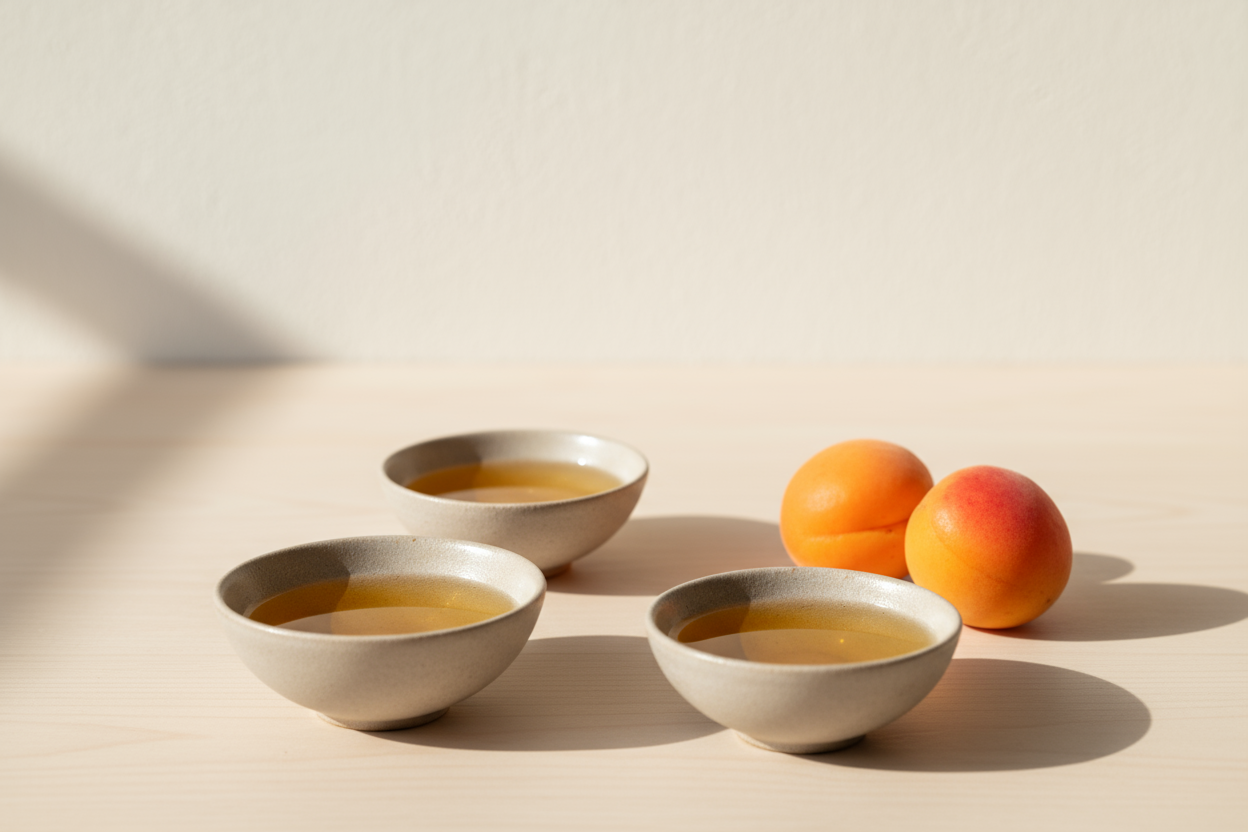
Apricot and apricot kernel oil have become popular in hair care for their ability to nourish, hydrate, and promote healthier hair. These oils are rich in vitamins, essential fatty acids, and antioxidants, making them ideal for various hair needs, from hydration to growth. This guide will explore the benefits of apricot oil for hair and how to incorporate it into your hair care routine.
Apricot Oil Benefits for Hair: Why It’s a Must-Have
Apricot oil for hair is known for its lightweight texture and high concentration of nutrients, making it a versatile addition to any hair care regimen. Here are some of the key apricot oil benefits for hair:
Deep Moisturization: Apricot oil is rich in fatty acids like oleic and linoleic acid, which provide intense hydration to dry, brittle hair. It’s perfect for restoring moisture to strands, leaving hair soft and manageable.
Adds Shine and Smoothness: The vitamins A and E in apricot oil help to smooth the hair cuticle, reducing frizz and adding a natural shine to your locks. This makes apricot oil an excellent choice for those seeking to tame unruly hair.
Scalp Health: Apricot oil can also be massaged into the scalp to alleviate dryness and flakiness. Its anti-inflammatory properties can soothe an irritated scalp, promoting a healthier environment for hair growth.
How to Use Apricot Kernel Oil for Healthier Hair
Using apricot kernel oil for hair can provide similar benefits, with a few added advantages due to its nutrient-rich composition. Here’s how to make the most of this powerful oil:
Pre-Shampoo Treatment: Apply warm apricot kernel oil to your hair and scalp as a pre-shampoo treatment. Let it sit for 30 minutes to deeply penetrate the strands, then wash out with a gentle shampoo. This helps to prevent moisture loss during washing.
Leave-In Conditioner: For added shine and softness, rub a few drops of apricot kernel oil between your palms and apply to the ends of damp hair. This can help reduce split ends and maintain hydration throughout the day.
Scalp Massage: Apricot kernel oil into the scalp can boost blood circulation, which may support healthier hair growth. Use gentle, circular motions for 5-10 minutes before rinsing the oil.
Top Benefits of Apricot Kernel Oil for Hair Growth
Regarding benefits of apricot kernel oil for hair, its potential to support hair growth is a standout feature. Here’s how it works:
Rich in Vitamins and Minerals: Apricot kernel oil is packed with vitamins A, E, and K, which nourish the hair and scalp, making hair stronger and less prone to breakage. This helps to maintain longer, healthier strands.
Omega Fatty Acids for Stronger Strands: The omega-3 and omega-6 fatty acids in apricot kernel oil help to reinforce the hair shaft, reducing the likelihood of breakage. This is crucial for achieving longer hair growth over time.
Supports a Healthy Scalp: A healthy scalp is key to hair growth, and apricot kernel oil can help maintain scalp health by balancing natural oils and reducing inflammation. This creates an optimal environment for new hair growth.
Apricot Oil vs. Apricot Kernel Oil: Which Is Better for Your Hair?
When choosing between apricot oil vs. apricot kernel oil for hair, it’s essential to understand their differences to determine which one best fits your needs:
Apricot Oil: Extracted from the flesh of the apricot, apricot oil is lighter in texture and ideal for everyday use as a leave-in conditioner or shine booster. It’s perfect for those with fine or medium hair who don’t want a heavy product.
Apricot Kernel Oil: Derived from the seeds of apricots, this oil is richer and contains a higher concentration of fatty acids and vitamins. It’s especially effective for thicker, coarser hair that needs deeper nourishment and moisture.
Both oils are excellent choices, but apricot kernel oil for hair may be more beneficial for those with dry or damaged hair, while apricot oil is great for lightweight hydration and shine.
The Best Ways to Incorporate Apricot Oil into Your Hair Care Routine
Adding apricot oil for hair into your routine is simple and can yield excellent results. Here are the best ways to use it:
Hot Oil Treatment: Warm up a small amount of apricot oil and apply it evenly to your hair, focusing on the mid-lengths and ends. Wrap your hair in a warm towel for 20-30 minutes to allow the oil to penetrate deeply, then shampoo and condition as usual.
Hair Serum: Mix a few drops of apricot oil with your favorite hair serum to enhance its moisturizing properties. This can help give your hair a silky finish while providing extra nourishment.
DIY Hair Masks: Combine apricot oil with nourishing ingredients like honey or avocado to create a hydrating hair mask. Apply the mask to damp hair and let it sit for 20 minutes before rinsing thoroughly.
Frequently Asked Questions About Apricot Oil for Hair
Is apricot oil good for hair of all types?Yes, apricot oil is suitable for all hair types. Its lightweight texture makes it ideal for fine to medium hair, while its moisturizing properties benefit thicker, coarser strands.
How often should I use apricot kernel oil for hair growth?For best results, use apricot kernel oil 1-2 times weekly as a scalp massage or deep conditioning treatment to support hair growth.
Can apricot oil help with dandruff?Yes, apricot oil’s anti-inflammatory properties can soothe an itchy, flaky scalp, which may help reduce dandruff and other conditions.
Where can I buy apricot kernel oil for hair?You can find apricot kernel oil at health food stores, online beauty retailers, or specialty hair care stores. Look for cold-pressed, unrefined varieties for the best quality.
By understanding the apricot oil benefits for hair and incorporating it into your routine, you can achieve healthier, stronger, and more vibrant locks. Whether you opt for apricot or kernel oil, these natural oils are a fantastic addition to your hair care lineup.
Article
Benefits of Apricot & Apricot Kernel Oil for Skin
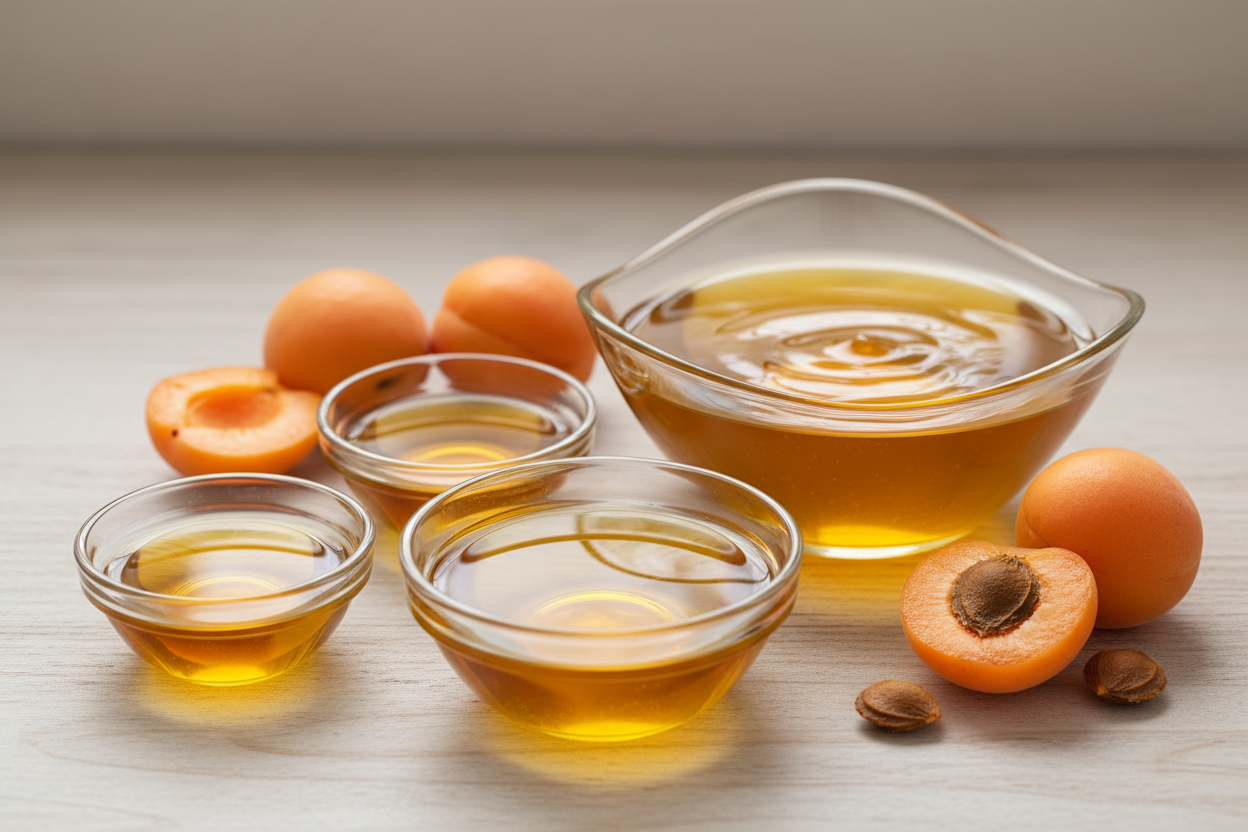
Apricot and apricot kernel oil are nature’s gift to skincare, offering a range of benefits that can help achieve a radiant and healthy complexion. These oils contain vitamins, antioxidants, and essential fatty acids that work wonders on different skin types. Let’s explore the apricot oil benefits for skin and why it’s a popular choice for natural skincare enthusiasts.
Top Apricot Oil Benefits for Skin
Apricot oil for skin is known for its lightweight texture and nutrient-rich profile, making it a versatile option in various skincare routines. Here are some of the top apricot oil skin benefits:
Moisturizes Dry Skin: Rich in fatty acids, apricot oil deeply nourishes and hydrates the skin, helping to alleviate dryness and flakiness. It’s particularly beneficial during colder months when the skin needs extra moisture.
Promotes Skin Elasticity: Apricot oil contains vitamins A and E, which are key in maintaining skin elasticity and smoothness. This makes it an excellent choice for those looking to keep their skin youthful and firm.
Soothes Irritated Skin: Apricot oil's anti-inflammatory properties can calm irritated skin, reducing redness and discomfort. It’s ideal for sensitive skin types prone to irritation.
Brightens Complexion: Apricot oil's antioxidants help combat free radicals, which can contribute to dull skin. Regularly using this oil can give your skin a brighter, more even appearance.
Why Use Apricot Kernel Oil for Skin Care?
Apricot kernel oil for the skin offers a slightly different set of benefits compared to regular apricot oil. Extracted from the seeds (or kernels) of apricots, this oil contains vitamins and minerals that help rejuvenate and restore the skin. Here’s why it’s a great addition to your skincare routine:
Gentle Exfoliation: Apricot kernel oil contains natural compounds that help with gentle exfoliation. These compounds remove dead skin cells and reveal smoother skin underneath. Apricot kernel oil is a great option for those seeking a mild exfoliant.
Non-Greasy Moisturizer: Despite its rich nutrient content, apricot kernel oil is lightweight and absorbs quickly into the skin, making it a perfect moisturizer for oily or combination skin types.
Rich in Omega Fatty Acids: This oil is an excellent source of omega-3, omega-6, and omega-9 fatty acids, which help strengthen the skin barrier and lock in moisture. Over time, this can improve skin texture and reduce the appearance of fine lines.
Benefits of Apricot Kernel Oil: A Deep Dive
When discussing apricot kernel oil skin benefits, it’s essential to highlight the unique components that set it apart:
Vitamin E for Antioxidant Protection: Apricot kernel oil is rich in vitamin E, a powerful antioxidant that helps protect the skin from environmental damage, such as pollution and UV exposure.
Vitamin K for Dark Circles: Vitamin K in apricot kernel oil can help reduce the appearance of dark circles and puffiness around the eyes, making it a popular choice in eye creams and serums.
Linoleic Acid for Acne-Prone Skin: Apricot kernel oil’s high linoleic acid content makes it ideal for balancing oily skin and reducing the risk of breakouts. It helps maintain a healthy sebum balance, making it suitable for acne-prone skin.
How to Incorporate Apricot Seed Oil into Your Skincare Routine
Adding apricot seed oil to your daily regimen is easy, and its versatility means it can be used in various ways. Here’s how to make the most of apricot oil for your skin:
Facial Moisturizer: Apply a few drops of apricot seed oil to clean, damp skin. Its lightweight nature makes it an excellent choice for a daily facial moisturizer, providing hydration without clogging pores.
Oil Cleanser: Use apricot seed oil as the first step in a double-cleansing routine to gently remove makeup and impurities. Massage it into the skin and wipe it away with a warm, damp cloth.
Nighttime Serum: Boost your skincare routine by blending apricot kernel oil with a few drops of your favorite essential oil. This combination can help repair and nourish the skin while you sleep.
Body Oil: Apply apricot seed oil directly after a shower to lock in moisture and keep your skin feeling soft and supple all day.
Apricot Oil vs. Apricot Kernel Oil: Which Is Better for Your Skin?
When choosing between apricot oil vs. apricot kernel oil, it’s essential to understand their differences to decide which one best suits your needs:
Apricot Oil: Extracted from the flesh of the apricot, this oil is lighter and great for overall skin hydration and a radiant glow. It’s ideal for those looking for a gentle, everyday moisturizer.
Apricot Kernel Oil: Derived from the seeds, this oil is slightly richer in vitamins and fatty acids, making it a powerhouse for deeper hydration and nourishment. It’s especially effective for mature or dry skin and is often used in anti-aging products.
Both oils are excellent for skin care, but the choice depends on your skin’s needs. For those seeking a lightweight, daily moisturizer, apricot oil may be the better option. Apricot kernel oil may be the way to go for more intense hydration and anti-aging benefits.
Frequently Asked Questions About Apricot Oil for Skin
Is apricot oil good for skin of all types?Yes, apricot oil for skin is suitable for all skin types, including sensitive, oily, and mature skin. Its lightweight, non-greasy texture makes it versatile and effective.
How often should I use apricot kernel oil on my face?Apricot kernel oil can be used daily, either as a standalone moisturizer or mixed into other skincare products. For best results, apply it to damp skin to lock in moisture.
Can apricot oil help with acne scars?While apricot oil won’t eliminate acne scars overnight, its vitamin E content can help reduce the appearance of scars and promote a more even skin tone over time.
Where can I buy apricot kernel oil for skincare?Apricot kernel oil can be found at health food stores, online marketplaces, or specialty skincare stores. For the highest quality oil, look for cold-pressed, unrefined options.
With its rich nutrient content and versatility, apricot oil has extensive benefits for the skin. Whether you are looking to hydrate, nourish, or rejuvenate your skin, apricot and kernel oil can make a valuable addition to your skincare routine.
Article
Benefits of Honey in Soap: A Natural Skincare Essential
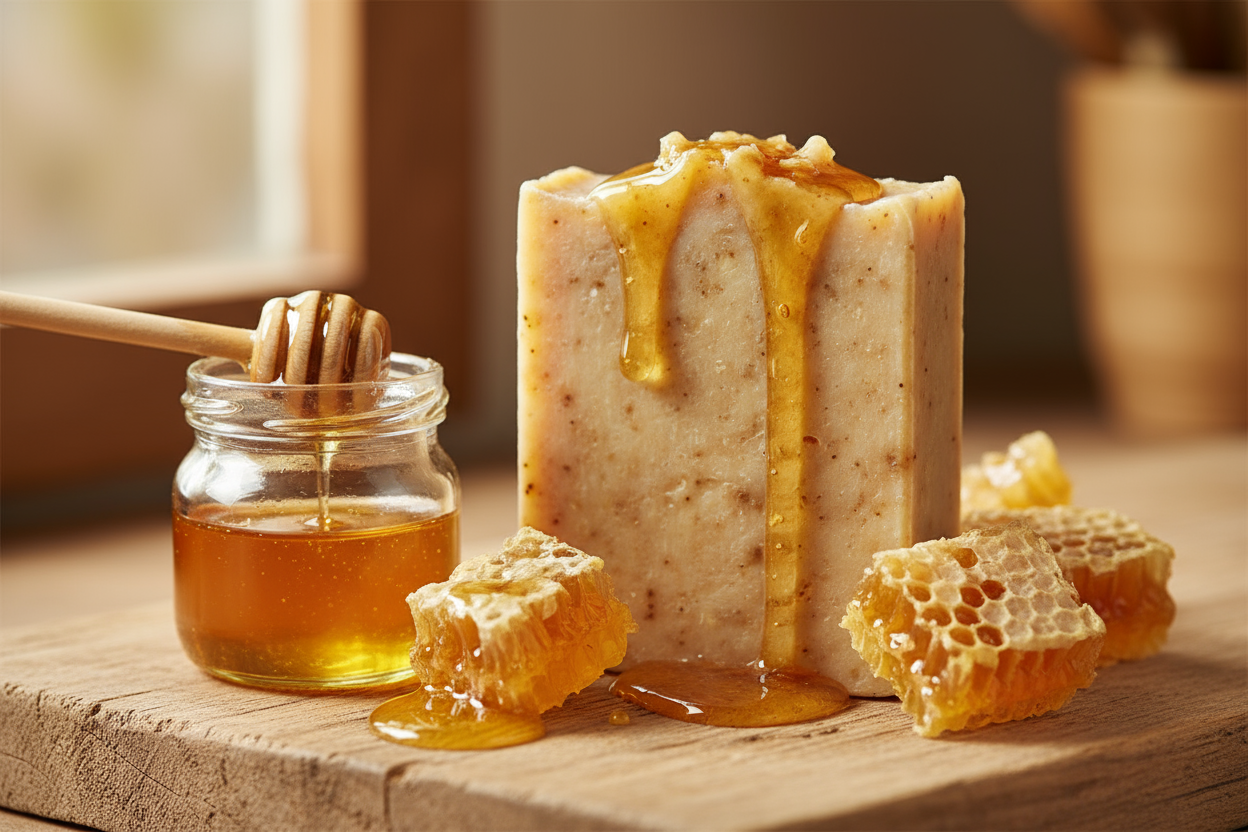
Honey has been used in skincare for centuries, valued for its nourishing, moisturizing, and antibacterial properties. When added to soap, honey is believed to enhance both texture and benefits, making it a great choice for those looking for a natural, skin-friendly cleansing option. Whether you prefer honey-based soap or want to add honey to your DIY soap recipes, understanding its advantages can help you make the most of this natural ingredient.
Why Use Honey in Soap?
Honey in soap provides multiple benefits, from hydration to antibacterial protection. Its natural humectant properties can help lock in moisture, keeping skin hydrated and preventing dryness. Additionally, honey contains antioxidants and enzymes that are reported to support overall skin health. Whether you're using a honey soap base or incorporating raw honey into homemade recipes, the benefits of honey in soap are unmatched.
Key Benefits of Honey in Soap
Deep Hydration – Honey is a humectant, meaning it draws moisture from the air and can help keep the skin hydrated. This makes honey soap an excellent choice for dry or sensitive skin, as it helps maintain softness and elasticity.
Natural Antibacterial Properties – Honey has antimicrobial effects that can help to fight bacteria, making honey-based soap may be particularly beneficial for acne-prone skin. Regular use can help reduce breakouts while keeping the skin clean and balanced.
Rich in Antioxidants – Honey contains powerful antioxidants that can help to protect the skin from free radicals and environmental stressors. This helps combat premature aging, reducing the appearance of fine lines and wrinkles.
Mild Exfoliation – The natural enzymes in honey may gently exfoliate the skin, removing dead cells and promoting a brighter, more even complexion. Unlike harsh scrubs, honey can provide a gentle alternative suitable for daily use.
Soothing and Healing – Thanks to its anti-inflammatory properties, honey can help calm irritated skin, reduce redness, and aid in the healing of minor cuts or burns. This makes honey soap a great option for individuals with sensitive skin conditions like eczema or rosacea.
Enhanced Lather – The natural sugars in honey contribute to a richer, creamier lather, improving the overall feel and effectiveness of the soap. This makes honey soap a luxurious choice for a smooth and pleasant cleansing experience.
Balances Skin pH – Honey has a naturally low pH, which can help maintain the skin's acid mantle. This balance is essential for keeping skin healthy, preventing irritation, and supporting a natural glow.
How Honey Enhances Different Types of Soap
Cold Process Soap – Adds natural moisture retention and creates a rich, creamy lather while slightly darkening the final product.
Hot Process Soap – Blends well with oils and enhances the conditioning properties of the soap.
Melt and Pour Soap – Easily integrates into the soap base, improving texture and skincare benefits.
Honey Soap Base – A pre-made base infused with honey's natural benefits, making it a simple and effective option for DIY soap making.
How to Incorporate Honey Into Your Soap Recipes
Choose High-Quality Honey – Opt for raw or organic honey to ensure maximum skincare benefits.
Use the Right Amount – A recommended ratio is 1 teaspoon of honey per pound of soap to prevent excessive stickiness.
Blend Carefully – Mix honey with a small amount of warm oils before adding it to soap mixtures to ensure even distribution.
Monitor Temperature – Keep soap-making temperatures moderate to prevent scorching and maintain honey's beneficial properties.
Allow for Proper Curing – Let the soap cure completely to ensure the honey integrates well into the final product.
Frequently Asked Questions About Honey in Soap
1. What makes honey soap different from regular soap?Honey soap contains natural humectants and antioxidants that provide additional skincare benefits compared to traditional soaps, which may lack moisturizing and healing properties.
2. Can honey soap be used on all skin types?Yes, honey soap is gentle and suitable for all skin types, including dry, sensitive, and acne-prone skin. Its natural antibacterial and moisturizing properties make it a versatile option.
3. Does honey make soap sticky?No, when used in the correct amount, honey blends seamlessly into soap without leaving any sticky residue. Proper curing ensures a smooth and non-tacky texture.
4. How long does honey soap last? Handmade honey soap typically lasts 6-12 months when stored in a cool, dry place. Keeping it in a well-draining soap dish can extend its longevity.
5. Can honey soap help with acne?Yes, honey's antibacterial and anti-inflammatory properties help cleanse the skin, reduce breakouts, and soothe irritation, making it an effective choice for acne-prone skin.
Honey-based soap is an excellent addition to any skincare routine. Whether used for its hydrating effects, antibacterial protection, or soothing qualities, honey soap benefits a wide range of skin needs. Whether you make your own or choose a pre-made honey soap base, this natural ingredient ensures a nourishing and luxurious cleansing experience.