


Articles
Article
What is a Carrier Oil?
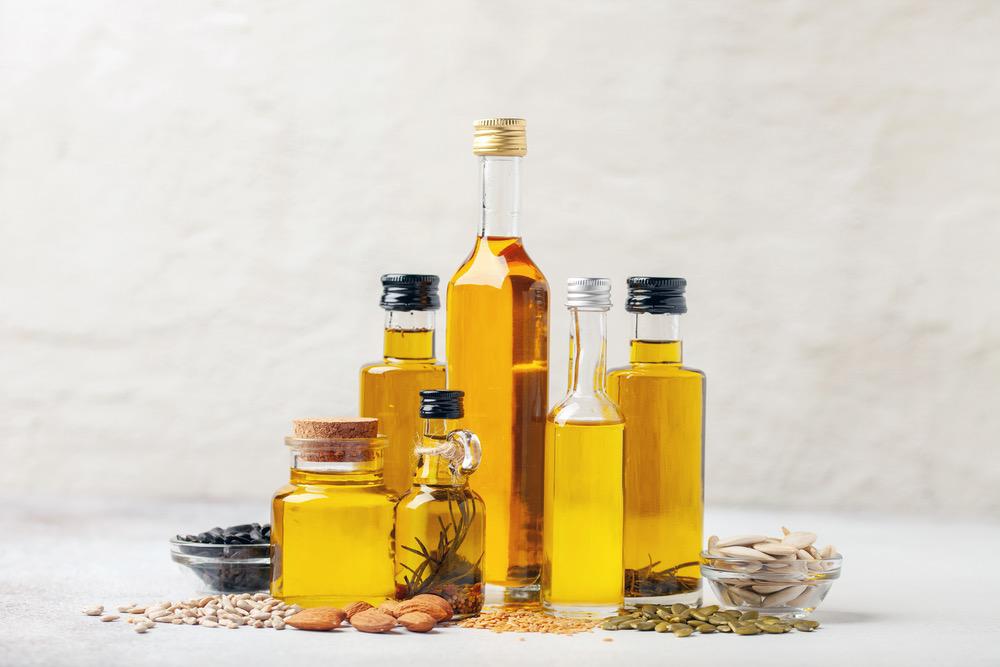
What is a Carrier Oil? These are all the natural cosmetic oils that you can use in your homemade recipes. They are perfect for creating homemade soap, crafting a skin-loving lotion recipe, and making many of the other kinds of cosmetic recipes. So, knowing about these oils is important for creating the types of bath and body products that you need!What is a Carrier Oil?: Making Soap SuppliesIf you are looking for a good recipe for making soap, then it is going to have some carrier oils in it. Anyone making soap from scratch knows that the carrier oils you choose can influence the quality of your bars. So, these ingredients are essential for cold process soap recipes. You can see specifics on how each oil affects the soap on our Soaping Oil Properties. Even melt and pour soap recipes can benefit by adding some carrier oils to the soap base, which is often done to make the bar more conditioning to the skin.What is a Carrier Oil?: Lotion MakingAlso, our bulk carrier oils can be used to create an amazing homemade lotion recipe. These are the oils that we include to nourish and moisturize your skin. In fact, the oils are what do the majority of the skin care in lotions. While you can use butters along with your oils, they can lead to a thicker cream or even a body butter. So, lighter lotions need key carrier oils to perform effectively!What is a Carrier Oil?: Using Essential OilsAlthough essential oils are natural, they aren t safe to put directly on your skin. Plus, adding a carrier oil will help hold on to the aroma longer than on its own. So, it is actually beneficial for your scent to mix an essential oil with a carrier oil before applying. One of the best carrier oils for essential oils would have to be Sweet Almond Oil or Argan Oil.What is a Carrier Oil?: Kinds of Carrier OilsThere are many different kinds of carrier oils that you can mix together for your recipes. Depending on your skin type or level of dryness, you may want to have lighter or heavier oils. Also, some oils are better for face lotions or for foot care. So, the blend of carrier oils that you want varies based on your product and its purpose.What is a Carrier Oil?: Apricot Kernel OilFirst, we have Apricot Kernel Oil, an oil that is light and excellent for skin care. While this oil is light enough to not block pores, it is conditioning enough to be a luxurious oil for cp soap. It's great for making lotions that don t leave a greasy feeling and skin into the skin. Also, its perfect in soap because the oil will sink into the skin quickly to fully moisturize the skin. We ve used this wonderful oil in many bath and body recipes, including the Chamomile Light Lotion Recipe and the Strawberries and Champagne CP Soap Recipe.What is a Carrier Oil?: Argan OilNext, we have an oil that is amazing for skin care. Argan Oil is easily absorbed into the skin and won t leave a greasy feeling on your skin. Plus, this cosmetic oil allows your skin to breathe and doesn t block pores. In fact, this ingredient is used in many acne-fighting recipes. We included this oil in a few cosmetic recipes, like the Argan Soap Recipe and the Sour Watermelon Sugar Scrub Cubes Recipe. In our cp soap recipe, this oil increased the lather and nourished the skin beautifully.What is a Carrier Oil?: Avocado OilAlso, adding Avocado Oil to your homemade recipes is a perfect way to increase the moisturizing ability of your product. This cosmetic ingredient is a heavy oil that is perfect for providing dry, damaged skin with the nourishment it deserves. Plus, the high level of unsaponifiable fatty acids and high vitamin content make this skin-sensitive oil great for adding some extra conditioning power to your soap bars, which you can see in the Gentle Avocado Cold Process Soap Recipe.What is a Carrier Oil?: Castor OilAnother great oil for your homemade cosmetic recipes is Castor Oil. Not only is this oil thick and perfect for nourishing dry, damaged skin, but this oil is a humectant. This means that oil will pull moisture to it, which will further moisturize your skin as it absorbs. Perfect for creating lotions for feet, like the Natural Salve Recipe , which are often one of the most damaged areas of skin. While this oil would provide some conditioning properties and a rich, creamy lather, it can make your soap sticky. So, avoid adding too much of this oil in your cp soap formulations. By limiting the amount of Castor Oil, we were able use the beneficial properties without as many drawbacks, like with our St Pattys Day Cold Process Soap Recipe as well as many other soaps.What is a Carrier Oil?: Coconut OilCoconut Oil is a great oil for skin that sinks in well and is perfect for scrub recipes like the Foaming Hibiscus Scrub Recipe. Also, this sensitive oil is perfect to add to lip balm supplies for making recipes like the Kahlua and Cream Lip Balm Recipe. For soapmaking, this oil provides a hard bar with a bubbly lather that is cleansing. Many find that adding more than 20% of this oil is drying for the skin, so some people may include more conditioning oils to the recipe or even super fat the formula to include more oils.What is a Carrier Oil?: Grapeseed OilAnother fantastic oil for bath and body recipes is Grapeseed Oil. This oil is perfect for cosmetic supplies because it is a lightweight moisturizer that is effective without being too greasy for the skin. So, this oil is perfect for creating lotions sensitive enough for the face, like our Natural Facial Night Cream Recipe. Also, this oil is perfect for soap-making, like our Raspberry CP Soap Recipe. This oil is moisturizing, and even anti-acne, for soap but it doesn't leave a greasy, heavy oil feeling on the skin.What is a Carrier Oil?: Jojoba OilWhile Jojoba Oil is technically a liquid wax, it is still fantastic for skin care products. This cosmetic ingredient is perfect for everything from lotions like our Shea Lotion with Herbal Infusion Recipe to lip care products like our Green Apple Lip Balm Recipe. In your soap recipes, this cosmetic ingredient is just as conditioning as luxury oils. But, this oil has a longer shelf life.What is a Carrier Oil?: Lanolin Oil Lanolin Oil is a great cosmetic oil that is wonderful for moisturizing and protecting damaged hair and dry skin. This oil contains very few saponifiables, so it maintains its conditioning properties and provides the bar with a silky feeling. So, we used this wonderful oil in our Strawberries and Champagne CP Soap Recipe. Also, you can use lanoin in a solid form, which still absorbs well and is great for protecting damaged skin. This thicker oil has all of the same beneficial properties and can even be used in soaps, like our Beard Soap Recipe.What is a Carrier Oil?: Macadamia Nut OilNext, we have Macadamia Nut Oil, which is an oil that is light and perfectly absorbs into the skin. This non-greasy oil is perfect for creating lotions, like our Almond Body Cream Recipe. Also, this oil is perfect for adding conditioning properties to your soap and is even great for mature skin types. So, we included this oil in our Lavender Cold Process Soap Recipe.What is a Carrier Oil?: Meadowfoam Seed OilAnother great oil that skins into the skin beautifully is Meadowfoam Seed Oil. Not only does this oil work to repair damaged skin, but it has a long shelf life due to its high level of antioxidants. So, it worked wonderfully in our Honey Vanilla Lip Balm Recipe. Also, this cosmetic oil can be used to superfat soap, reduce rancidity, and increase the fragrance's lifespan. So, this oil was a great addition to our Raspberry CP Soap Recipe.What is a Carrier Oil?: Olive OilOlive Oil is often a top choice for soapers, because it is very conditioning, helps harden the bar, and creates a mild bar of soap. While some soapmakers may use only olive oil in Castille soap or mostly olive oil in Marseille soap, it makes the bar a bit slimy and barely has a lather. So, many soapers will combine this oil with others to create a great soap recipe, like in our Creamy Cocoa Craziness Cold Process Soap Recipe.What is a Carrier Oil?: Palm OilNext, we have another great oil for creating soaps, which is Palm Oil. This soap making ingredient creates a hard, white bar that has a rich, creamy lather. We have used this wonderfully cleansing oil in many recipes, like our Calendula Swirl Soap Recipe and our Beer Cold Process Soap Recipe. You may find that your cosmetic oil has solidified, this is because the melt point is slightly above room temperature. Luckily, this is easy to fix. All you have to do is set your bottle in a bowl of warm water until the oil melts again.What is a Carrier Oil?: Pumpkin Seed OilPumpkin Seed Oil is rich in vitamins and minerals, which provide great properties for the skin. This oil sinks into the skin without leaving oily residue to repair damaged skin. So, it was a perfect addition to our Pumpkin Sugar Scrub Recipe.What is a Carrier Oil?: Rice Bran OilRice Bran Oil has benefits similar to Olive Oil, so it is conditioning and great for soaps! So, we included this lovely soaping oil in our Wine Cold Process Soap Recipe as well as other great cp soap recipes. Plus, this rich, conditioning bar is perfect for both mature and sensitive skin types.What is a Carrier Oil?: Safflower OilAlso, we have a nourishing and skin-loving oil that is perfect for homemade products. Safflower Oil is moisturizing and nourishing for the skin, so we included it in many soap recipes and our own Hair Conditioner For Redheads Recipe.What is a Carrier Oil?: Sesame Seed OilAnother great cosmetic oil is Sesame Seed Oil, which is a light cosmetic ingredient full of nutrients for the skin. We include this lovely oil in recipes like our Giraffe Bubble Bars Recipe or our Beard Balm Recipe. Also, this oil can be used in cp soap to help slow trace, nourish the skin, and provide a silky lather.What is a Carrier Oil?: Sunflower OilAlso, Sunflower Oil works well with palm oil and olive oils to provide a rich creamy lather. Plus, this oil is very moisturizing and will provide a silky feel to the soaps. So, this is perfect for adding to our soap recipes and bath products, like our Natural Beet Root Lip Gloss Recipe.What is a Carrier Oil?: Sweet Almond OilLastly, we have a light oil that will perfectly absorb into the skin Sweet Almond Oil. So, it was a great choice for bath and body recipes like Tranquility Bath Melts Recipe or Fruity Rings Emulsified Sugar Scrub Recipe. Plus, this oil is perfect for adding some conditioning properties to your soaps.What is a Carrier Oil?: Reach Out to UsWe hope that you were able to find some carrier oils that you enjoy for your bath and body products. Not only are there many to choose from, but there are many combinations that you can try for your recipes. Just start with your favorites and build from there! If you have anymore questions about these oils and how they will work in your recipes, then reach out to us. An easy way to get in contact with us is to reach out on social media. We are on Facebook, Instagram (@ngscents), and Twitter (@ngscents).

Article
What are Cosmetic Waxes?
If you have been asking "What are Cosmetic Waxes?", then this is the perfect cosmetic blog for you! Simply, cosmetic waxes are wholesale natural cosmetic ingredients that you can use to create fantastic bath and body recipes. However, there are a few different options with slightly different properties. Adding any of these cosmetic ingredients to your homemade bath and body recipes will provide your products with some great properties. These cosmetic waxes are useful for improving the consistency and integrity of your products. Often, our customers will use these ingredients to harden a more solid recipe or thicken a lotion recipe. While these particular waxes aren't able to emulsify, they can be useful for supporting the emulsifier in holding everything together. However, we will briefly talk about emulsifying waxes later in this article.So, using cosmetic waxes can really improve the quality of your products, especially for lip balm recipes or lotion recipes. If you are interested in using some of these cosmetic ingredients, then we have a variety of our own formulated cosmetic recipes that you can create with these quality waxes. Of course, you can use Natures Garden cosmetic waxes in your own recipes as well.What are Cosmetic Waxes?: Rice Bran WaxOne cosmetic wax that you can use in your homemade cosmetic recipes is our Rice Bran Wax. This wonderful ingredient is a pale yellow colored wax that is extracted from rice bran oil. This waxy substance is naturally rendered through batch chromatography technology to achieve the light yellow color. So, you will find that this product is a superior quality compared to others that are solvent extracted. Further, this light color is useful to allow you prevent discoloration in your products.You can use this cosmetic wax to add some integrity to your various bath and body recipes. Plus, this wholesale wax has a lovely, non-sticky feeling that you will enjoy in your various cosmetic products wholesale. You can use this cosmetic wax to create all kinds of recipes, like lipstick, lip balm, make up, mascara, or even sun care products. Plus, this bath and body ingredient is often used in oil based products or in emulsions. Although the wax is not able to emulsify your recipe, it has shown to be useful for helping to stabilize your emulsions.What are Cosmetic Waxes?: Using Rice Bran WaxWhile you can use this natural wax to create room scenting recipes, there are many cosmetic uses for this bath and body ingredient, too. One way that you can use this wholesale cosmetic wax is to create our Lip Balm Recipe Without Beeswax recipe. Adding this recipe to your lip care recipe is perfect for creating a lip balm that is moisturizing yet sturdy. So, your lip balm products with this wax will have a fantastic glide and be able to retain its integrity.What are Cosmetic Waxes?: Sunflower WaxThe next wholesale cosmetic wax can be created by removing the wax from sunflower oil. This wonderful wax, Sunflower Wax, can be used to create all kinds of bath and body recipes, like lip stick, mascara, lip balms, and other cosmetics. Our wholesale wax is a granulated solid that has a light color and a low odor. You can add this lovely wholesale wax to your bath and body products to regulate the consistency of lip balms and add some integrity to your bath and body recipes. Plus, this cosmetic wax can be useful for improving the texture and glide of the final product. However, this isn't the only way that you can use this cosmetic ingredient. Since this wax has a high melting point, you can add these granulated wax crystals to your recipes whole to create a natural exfoliant.What are Cosmetic Waxes?: Using Sunflower WaxOne cosmetic recipe that you can create with Sunflower Wax is the delicious Mango Madness Lip Balm Recipe. This smooth, nourishing lip balm recipe uses lip loving oils and butters that will protect your lips. Further, the cosmetic wax is included to make sure the lip balm remains stable and not too soft. Not only does this wax help your lip care products maintain integrity, but it can be useful for making it easier to use the lip balm tubes, as some recipes may stick to the tube.What are Cosmetic Waxes?: Candelilla WaxNext, we have a wonderful wax for your homemade creations, which is Candelilla Wax. This cosmetic ingredient is extracted from the candelilla shrub, which is most commonly found in Mexico, North Central Plateau, and Southeastern Texas. These plant extracts are boiled until the wax separates from the rest of the plant material. This is possible because water based and oil based materials will separate from one another. Then, the wax is skimmed away from the rest of the plant material. After, this collected wax will be filtered and bleached until it reaches a pale yellow color.This wax is another create choice that you can use in your homemade bath and body recipes. The cosmetic wax will provide your products with more of a glossy appearance and is water repellent, which can keep moisture from escaping your lips and skin. Also, this cosmetic ingredient is useful for helping provide a firm, or thick consistency, with a higher melt point. So, you can use this fantastic cosmetic ingredient to create sun screen, lip stick, lip gloss, emulsions, and lubricantsWhat are Cosmetic Waxes?: Using Candelilla WaxYou can use cosmetics supplies, like the Candelilla wax, to create various cosmetic recipes, like our lovely Green Apple Lip Balm Recipe. Further, this wax is often a perfect substitute for beeswax in lip care recipes. So, anyone avoiding animal products may enjoy the Vegan Lip Butter Recipe as well as the Vegan Silky Lip Balm Recipe. Both of these lip balm recipes are just as good as those that include beeswax, but they use plant based sources instead of bees wax.What are Cosmetic Waxes?: Beeswax White PastillesPlus, you can use Beeswax White Pastilles to create some fantastic bath and body wholesale recipes. This cosmetic wax is created by bees and beekeepers can harvest some of the wax from the bee hives. This natural wax can range in color from a clear- white color to a light golden yellow or even brown color. However, our white beeswax pastilles are purified and naturally bleached by the sun. So, you won't find any color variation. Although our product is bleached, we didn't use chemicals, as the wax was exposed to air and sunlight for a period of time to provide the desired effect.This wholesale wax can be used to make all kinds of cosmetic recipes, whether it be homemade candles or natural cosmetics. The beeswax wholesale is a well loved additive to many bath and body recipes. Also, beeswax can help to protect and soften the skin. Further, this cosmetic wax is often included in lip care products, as it can promote healing and help prevent you from getting chapped lips! So, there is a lot of benefits for adding bees wax to your bath and body recipes. If you want to learn more about bees wax is used and naturally made, then check out our Beeswax Class!What are Cosmetic Waxes?: Using Beeswax White PastillesThere are all sorts of bath and body recipes that have beeswax included. This cosmetic wax is a quality ingredient that is perfect for adding some structure of thickness to a recipe. First, we included this cosmetic recipe in the Pink Lemonade Scrub Recipe. Also, you can make beeswax body lotion that is very skin loving, like the Rejuvenating Foot Balm Recipe. Further, this cosmetic ingredient is used to create the scrumptious Chocolate Covered Strawberries Lip Balm Recipe, and the lovely Kahlua and Cream Lip Balm Recipe, as it strengthens the lip balm and makes it easier to use. If you want to check out even more of the many bath and body recipes that use beeswax, then check the recipe tab on the Beeswax White Pastilles page!What are Cosmetic Waxes?: NG 100% Soy WaxLastly, you can use NG 100% Soy Wax to create some fantastic cosmetic recipes. Our wholesale soy wax flakes are pure soy wax that are extracted naturally from the plant. This wonderful wholesale ingredient can be used cosmetically or to create quality homemade candles. This wax can be used cosmetically because it is pure 415 soy wax with no preservatives and no additives. If you want to use this all natural soy wax to create cosmetic recipes, then there are many options for what you can create. This kosher soy wax is perfect for making lip balms, lotions, and all kinds of other cosmetic recipes. In fact, you can even create your very own soy wax massage candles.What are Cosmetic Waxes?: Using NG 100% Soy WaxAlthough this cosmetic wax can be used with your candle making supplies, soy wax can be used to create various bath and body recipes, too. In fact, you can make 100 soy wax candles that are safe enough to use on the skin. So, one recipe that we have formulated with this cosmetic ingredient is the Massage Candle Recipe. Plus, you can use a scented soy wax to create skin loving, homemade lotion recipes. Also, you can use lip balm flavorings to create lip care products that are great for the skin and taste scrumptious.Although you can use our pure soy wax to create cosmetic recipes, it is our recommendation that you only use pure soy wax to create body safe cosmetic recipes. The additives or preservatives in other soy waxes may not be body safe, so we suggest sticking with the pure soy wax that is guaranteed to just be soy wax without any random additives.What are Cosmetic Waxes?: Emulsifying Waxes for CosmeticsAnother great cosmetic wax that you can use to create fantastic recipes is emulsifying wax. This ingredient is crucial for recipes that use both oil and water based ingredients. Otherwise, your ingredients will separate overtime. So, you will want to include this ingredient in recipes, like homemade lotions, conditioners, and scrubs. We at Natures Garden have a few different types of emulsifying wax that you can use to homogenize your products, which are BTMS 25 Emulsifier, Traditional Emulsifying Wax NF, and Silky Emulsifying Wax. If you want to learn a bit more about the qualities of these different waxes and a few other options, then be sure to check out our Types of Emulsifying Wax blog. This is a perfect blog to learn about the different options for emulsifying wax to create perfectly tailored recipes.What are Cosmetic Waxes?: Different Beeswax Uses in the HomeOf course, cosmetic waxes, like our Beeswax White Pastilles, can be useful for creating amazing bath and body recipes. However, there are even more creative uses that you can take advantage of to help in daily life. One specific cosmetic wax that people have found many uses for is beeswax. You can use this cosmetic wax to create a variety diy solutions, like homemade crayons, diy cling wrap, itch relief, and so much more! What are Cosmetic Waxes?: Reach Out to UsWe hope that you learned a bit about our various cosmetic waxes that you can use to make amazing bath and body products. Anyone that has more questions about these cosmetic making supplies, should feel free to reach out to us with any questions. You can talk to us in the store, on the phone, or on our social media pages. You can reach out to us on our Facebook page. Also, you can use our handle @ngscents to find us on either Instagram or Twitter. Further, you can use this platform to share your own favorite creations that include any of these cosmetic waxes. We hope to hear from you soon!
Article
What is Passion Flower Used For
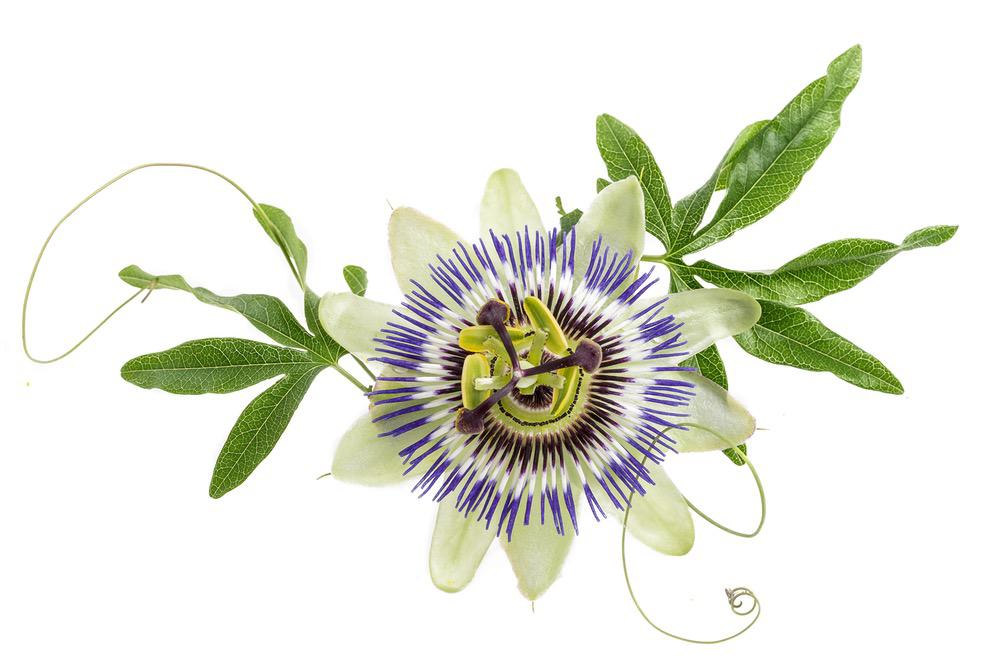
You may be wondering what our passion flower botanical herb is. Also, you may wonder what is passion flower used for. This second question is especially important for making homemade bath and body recipes! If you are curious, then this is the perfect cosmetic blog for you to use and find out! Of course, Passion Flower from Natures Garden Candle and Soap Supplier is perfect for creating bath and body recipes. Plus, there are all kinds of other cosmetic and medicinal benefits that this herb can provide you. So, there are all kinds of ways that you can use this herb. In this blog, you can learn all about the different benefits that you can have from this botanical herb.What is Passion Flower Used For?: Growing ConditionsAlthough the passion flower looks beautiful and exotic, it is can actually be found in the United States. Since this unique floral herb can be found in many parts of this country, it is able to survive the colder conditions of winter. Specifically, this delightful plant will survive best in Hardiness Zone 6. If you are interested in growing this plant for yourself, then check out the link below this blog to a map for areas of the US where this plant thrives! Although these plants can survive the winter months, they will lose their leaves. However, you can bring your plant indoors to bloom all winter long. Passionflowers like to be put in an area with either indirect sun or full sun. Also, these climbing vine plants prefer soil that is well draining and make sure that the soil is not too wet. So, keep the soil moist but try not to make the soil soaking wet. It is important to plant your passion flower close to something that the vines can climb, like a fence, trellis, or wall. Though your plant won't require any pruning, you can prune after flowers emerge to keep the desired shape.What is Passion Flower Used For?: Industrial UsesThere are many ways that you can use passion flower to create fantastic recipes. First, you can include this lovely cosmetic herb in all kinds of bath and body recipes. Also, there are scrumptious passion flower tea recipes that you can make with this wholesale herb. Furthermore, this botanical herb has all kinds of medicinal benefits that you can utilize. So, there are all kinds of ways that you can utilize the wonderful properties of this pretty herb flower.What is Passion Flower Used For?: Bath and Body UsesOne way that you can use this wonderful cosmetic herb is to create all kinds of wonderful bath and body recipes. This cosmetic herb can provide your products with all kinds of benefits for your hair and skin. So, you can either add this herb whole or you can create an herbal infusion with our skin loving passion flower herb. Either way, you can add this herb or infusion to your recipe for the benefits. If you are interested in using this herb for making cosmetic recipes, then check out some of the benefits for your body!What is Passion Flower Used For?: Bath and Body BenefitsOf course, the benefits of this cosmetic herb make it a fantastic cosmetic ingredient! For your bath and body recipes, you can use this skin nourishing herb to create skin care products that will soothe the skin. So, you can use this cosmetic herb to help reduce redness and skin irritation. Also, this herb is known to reduce inflammation. So, this herbal cosmetic ingredient may be useful for treating minor rashes, eczema, and burns as well as many other inflammation based issues. Also, there are those that use the passion flower herb topically to reduce hemorrhoids and burns. Plus, this herb can be useful for helping keep the skin moisturized.Another great quality of this cosmetic herb is that it is safe for both sensitive skin and sensitive scalps. So, this is an herb that can be used in all kinds of different cosmetic recipes!What is Passion Flower Used For?: Passionflower & Acai Berry Fragrance OilA great fragrance to pair with this nourishing herb is the Passionflower & Acai Berry Fragrance Oil. This fragrance is a perfectly feminine blend of floral and fruit scents that is unique and absolutely gorgeous. This scent has a perfect blend of island passion flower, red currant, mandarin, acai berries, sweet plumeria, green leaves, Hawaiian jasmine, and orange flowers. Further, the scent finishes with a touch of amber that really brings this sweet, tropical aroma together. So, the refreshing aroma of this herb is truly enhanced by this wonderful passion flower fragrance oil.What is Passion Flower Used For?: Food and BeveragesOne way that you can incorporate this herb into your diet is to create an herbal tea. This tea is said to have a sweet, grassy aroma. Also, the tea is said to have an herbal taste that has notes of grassiness and toasted oats. While the tea doesn't actually use the flower portion of the plant, it does include other parts of the plant, like the leaves and stems. This part of the plant has the fantastic benefits that are perfect for gaining the calming beneficial properties that this herb is known for.Although you can create an herbal tea with this plant, it is more common for people to eat the freshly ripened fruit of this plant. These scrumptious fruits will ripen in late spring or autumn and are a yellow-orange in color. The flesh inside the fruit is said to have a taste that is both sweet and slightly tart. While the yellow pulp is the flavorful part, the seeds are edible, too.What is Passion Flower Used For?: Medicinal UsesOf course, you can create passion flower recipes to provide yourself with some medicinal benefits for your body. You use this wholesale herb can create an herbal tea, an infusion, or even add the extract to a smoothie extract. Regardless, you can add this cosmetic herb to your typical diet to potentially promote your health. Also, you may even be able to use this herb to relieve symptoms of certain ailments. Traditionally, this herb has been used as a sedative, so the herb is sure to have calming properties for the body. If you would like to find out how these properties can benefit your body, then check below to find out all the ways that this herb could possibly help you!What is Passion Flower Used For?: Medicinal BenefitsThis fantastic herb has properties of cooling, calming, and soothing that are fantastic for helping with many different issues. First, this cosmetic herb is able to help promote a certain hormone, GABA, that may be useful for dealing with many issues, like insomnia, depression, anger, and hormone related headaches. Anyone that is seeking a more natural alternative to hormone therapy may want to give this herb a try!Another wonderful property of this medicinal herb is that it can be useful for calming the body. First, this cosmetic herb has been used by some to help reduce symptoms of anxiety. Not only can you use this herb to calm your body during the day, but this herb can be used to promote better sleep. So, some people will use this herb to reduce symptoms of insomnia. Further, the passion flower herb has the ability to reduce spasms, twitching, or muscle tension, as it will slightly repress the central nervous system.Plus, this cosmetic herb can be useful for dealing with physical pain and easing head aches. Further, this herb has been useful for dealing with menstrual cramps as well as premenstrual symptoms. Also, it is thought that you can use the GABA promoting benefits of this herb to lower your blood pressure. Further, some find that this herb can be useful for helping reduce issues with irregular heartbeats, heart failure, and heart palpitations.What is Passion Flower Used For?: Other UsesSome people have found that this calming herb can be used as a natural remedy for ADD and ADHD. So, including this herb in your diet is thought to help reduce some of the symptoms brought on by this disorder. According to WebMD, this botanical herb can be as effective as a low dose of a prescription drug. So, this may be a nice, herbal alternative to test out for those that may be wary of medication.Another benefit that some people have found for the passion flower herb is that it can be useful for dealing with menopause. This is because passion flower is promoting the hormone gamma-aminobutyric acid, which is also known as GABA. So, this botanical herb can help you with some of the symptoms that come along with menopause. Specifically, this herb can help with menopause issues that are related to the vasomotor system. So, it may be useful for you to try this medicinal herb for dealing with either hot flashes or night sweats.What is Passion Flower Used For?: History of Naming the Passion FlowerAlthough the name "Passion Flower" may suggest that this beautiful flower would be an aphrodisiac or have a romantic origin, that isn't actually how the flower got its name. Instead, this flower was named for its unique characteristics and symbolism. Christian Missionaries in Peru found quite a bit of symbolism in the flower and named it for the Passion of Christ. The five petals and five sepals were thought to represent the ten disciples. Also, the purple corona of the flower was thought to represent the crown of thorns. If you want to learn even more lore for this flower, then check out Myth and Symbolism of the Passion Flower for even more of the interesting history around this herb.What is Passion Flower Used For?: Where to Grow a Passion Flower PlantIf you live in the United States and are interested in growing your own Passion Flower vine, then check out this map from the USDA web site! This handy map shows you the areas in the US where the passion flower grows naturally. So, keeping your plant alive outdoors in these areas shouldn't be too difficult! Other areas where the plant is not common may require a bit more work for care. Alternatively, you can grow your plant indoors. So, you aren't completely out of luck due to where you live!What is Passion Flower Used For?: Ask Us Your QuestionsIf you have any more questions about using the passion flower herb or any other of our cosmetic herbs and spices in your bath and body recipes, then feel free to reach out and ask us! You can reach out to us at the store, on the phone, and on our social media pages. First, we have a Natures Garden Facebook page. Also, you can use our handle @ngscents to find us on Twitter and Instagram. Also, you can use our social media to share your opinions and your own creations. Have fun creating your various bath and body recipes and we hope to hear from you soon!What is Passion Flower Used For?: Reminder About Our HerbsNatures Garden sells our herbs, like the Passion Flower herb, for external use only. We do not sell our herbs as food items. The information we provide is for educational purposes only. This information is not intended to diagnose, cure, treat, or prevent any disease. This information has not been evaluated by the Food and Drug Administration. Be sure that you keep all herbs out of reach of your children and pets. If you are a pregnant and/or lactating woman, then you should take special care when handling this cosmetic herb. It is especially important as this herb has been known to stimulate the womb. Natures Garden accepts no responsibility (written or implied) for any products you make with our herbs. All testing is the responsibility of the customer.
Article
What are Jump Lines in Candles?
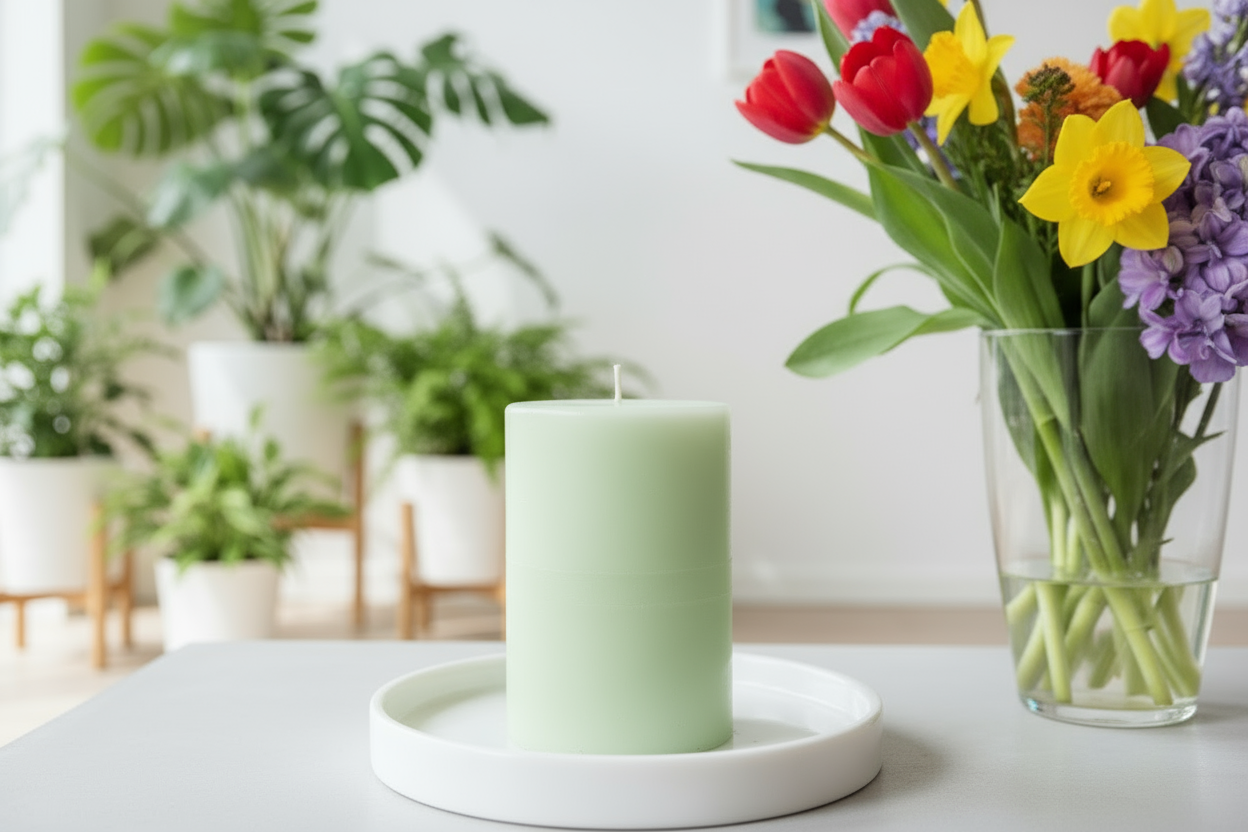
We tried numerous times to recreate jump lines, however because of our flaming awesomeness, every candle was jump-line-less. So, we had to find a stock photo that best represents jump lines.What are Jump Lines in CandlesJump lines are the visible horizontal rings that occur on the sides of your candles. These lines look like ridges and prevent your candle from having a smooth finish. Ideally, to have a perfect candle pour, your candle wax will still be in a complete liquid state once it has been poured into your container/pillar. This is the best shot you can give your candle to completely and uniformly cool naturally, therefore decreasing your chances of getting jump lines. All candle wax has to conform to the sides of the container/pillar mold at the same rate of time. This provides for the smooth finish of a candle.In candle making when you are pouring the hot wax, it will begin to cool as soon as it hits the jar. As this happens, you will visibly be able to see wax layers materialize. If you do not pour quickly enough, the wax will naturally start to harden and stick to the wall of the container/ pillar mold. Since the temperature of the jar stays consistent, there is no heat source to re-melt the wall portion, therefore showing each line of cooled wax aka jump lines. How do you prevent jump lines from occurring?Jump lines can occur for several reasons, the first of which is intentionally. Jump lines can also be created on purpose to give candles a textured look. Since jump lines are an aesthetic thing, they do not have any kind of effect on the candles burn or scent throw. One of the first things as a preventative measure that you can do is pour your wax at the correct temperature. You can do this by using a candy thermometer. You may have to increase your pouring temperature to adjust for jump lines. This is where testing and note taking will come into play. As always, it is of the utmost importance for candle making that your jars and/or pillars are room temperature. The second measure you can take is to heat your jars at the lowest setting on a cookie sheet in the oven for twenty minutes prior to filling them.Another important factor in combating jump lines is your pouring rate. Obviously, you do not want to pour fast, this will result in wax splashing everywhere. And, adversely, you do not want to pour so slowly that you can actually see the jump lines establishing themselves in the candle. Find your pouring medium. If you are seeking a fool proof way to prevent jump lines from the pouring stage, try counting seconds or singing a lyric of a song. These tricks will help you stay uniform with your pour.How to correct jump lines?Although all of the steps mentioned earlier are great ways to prevent jump lines, once they have occurred in your candles you really only have a one option. Using a heat gun or hair dryer to heat the outside of the candle will remelt the outside layer of the wax, this will mask the jump lines from visible view, but once again, jump lines have no direct effect on a candle.
Article
When Does Wick Size Matter
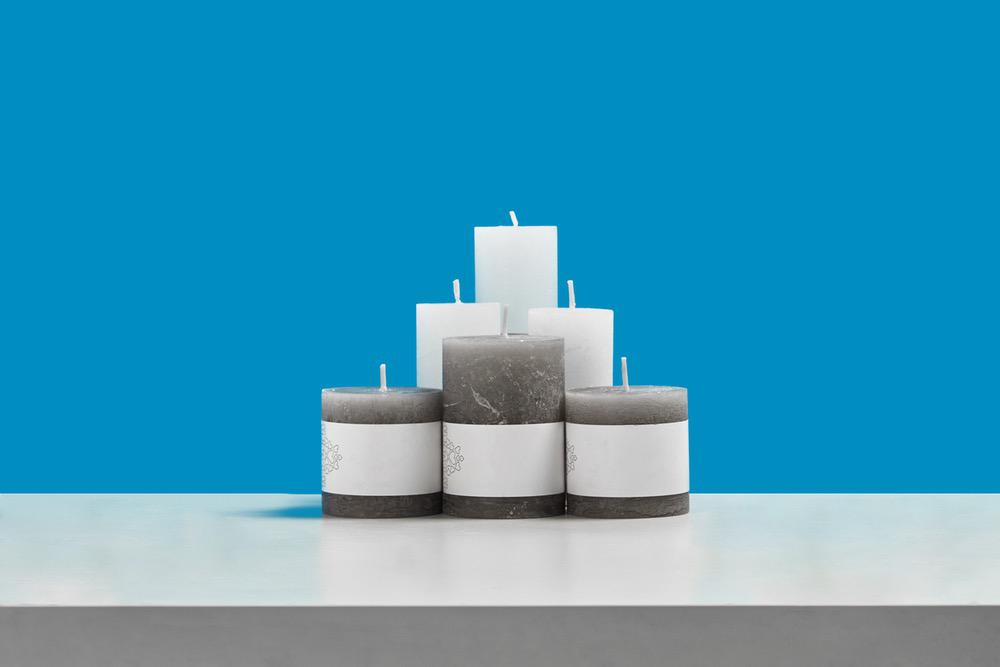
We purposely created a "problem" candle to demonstrate when wick size does matter. In this example, the wick is not centered, and there is a lack of a full melt pool. A smaller melt pool is one sign that the wick size clearly needs to be larger.When does wick size matter?Knowing when to move up to the next size wick for candles is one of the trickiest aspects to candle making. There is a fine line with wicking a candle. You want to find that perfect balance between a sensational hot throw and long burn time. Wicks, are the vessels to ensuring you have made the best possible candle. You want your candle to burn slowly and evenly all the way to the bottom, leaving nothing but the wick tab behind. The right wick has the capability of doing this, but they also have a direct effect on the hot scent throw. And when it comes to scent throw, this is one feature of candles that is extremely significant.There are many different kinds of wicks available; HTP, CD, Hemp, Zinc, or Wooden. Each wick has different qualities associated with them, and that is why testing for your perfect wick size is vital to your candle crafting. Usually, within the wick selection process there are a few factors to consider. First, wick selection will differ depending on which fragrance oil you use in your candle wax. Second, wick size is determined by the diameter of your candle container/mold. Third, wick size is determined by the type of wax you are using to make your candles. Fourth, wick size is determined by how much colorant you use in your candles.Now, it could be possible that your candle will need a double or maybe even a triple wick. This is not unheard of. Sometimes, especially with the larger candles or with candles that are shaped differently (such as star), you need the addition of extra wicks to make sure that your candle has an excellent wet pool touching all sides of your container.Once you know the type and size of the wick that works best for your candle needs, the next step is to familiarize yourself with the term "wick up". Wick up in candle making is when you purposely use a larger wick. This generally comes into play for a few reasons. If you notice in your testing that you have a poor melt pool, you might want to consider a wick up. Wicking up in this situation will allow for a hotter burn, therefore reaching more wax to allow for a fuller melt pool.Another reason to wick up is if you are struggling to smell the hot throw of the candle. In order for scent throw to be possible in melted wax, the fragrance oil needs to be in a volatile state- meaning ready to evaporate quickly. The best way to ensure this is a hot burning wick. As the melted wax pool is pulled throw the wick, the fragrance (or scent) is released into the air.Another aspect to consider is the fragrance oil itself. There are certain fragrance oils such as Vanilla ones that almost always require a wick up. This is because Vanilla fragrance oils are thicker and using a slightly larger wick will prevent your wick from clogging and/or possibly drowning out. Fragrances with heavy base notes, such as patchouli, vetiver, amber, and musk will also likely require a larger wick.The wax that you are using for candle making can also come into play for a wick up situation. Any time you use a vegetable wax, you will want to wick up to the next size wick for your candle. Whenever you use a vegetable wax, which requires a hotter burn, you want to make sure that the wick when lit, will be hot enough to melt the wax properly, and release the fragrance into the air.The other factor that will require a larger wick size in candles is the use of heavy amounts of candle dye in your candles. Candle dye slows down the capillary action of the wicks, and thus reduces the burn of the wick. Increasing your wick size will help you combat this issue.If you are interested in seeing Natures Garden's suggestions for wicks, please check out candle wick chart. However, please note that this information should never replace your testing process.
Article
What is Red Clover Good For?
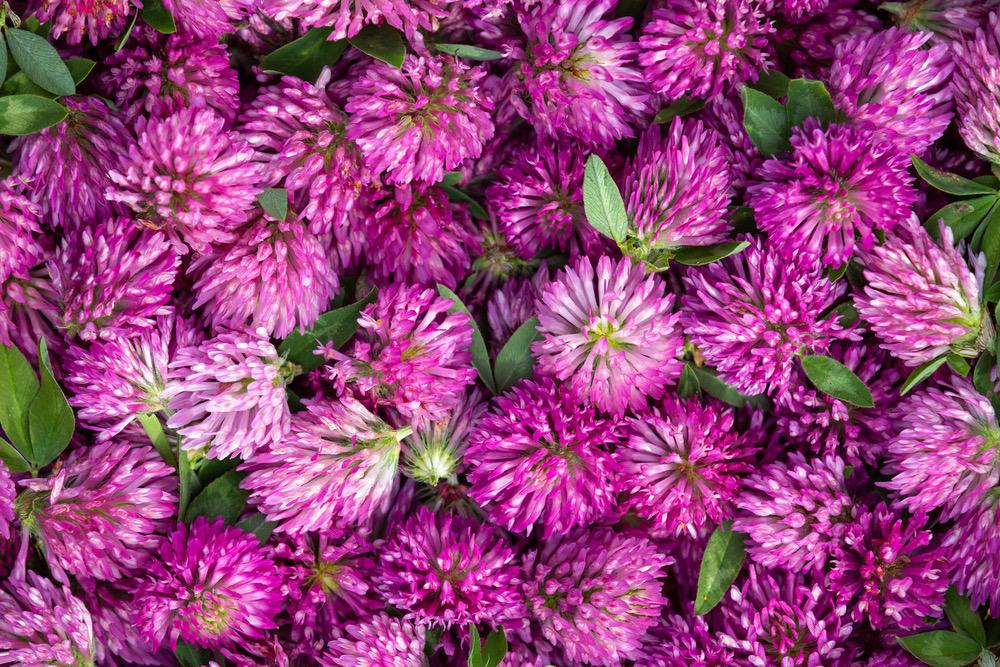
What is red clover good for? This fantastic wholesale herb has all kinds of benefits for your entire body. You can use the Natures Garden herb to create some fantastic bath and body recipes. This cosmetic ingredient is sure to provide you with some wonderful benefits for both the inside and outside of your body. Also, you can use this herb to create an herbal red clover tea. This tea has some known benefits for the body, as well. So, there are all kinds of benefits for your when used in cosmetic recipes. If you are interested in learning more about the potential benefits, then continue reading this cosmetic blog to learn even more!What is Red Clover Good For?: Growing ConditionsNot only are there herbal benefits provided by these beautiful flowers, but the red clover plants can actually be quite beneficial to farming. There are many farmers that will use this herb as a cover crop, which means that it will protect the soil. Further, this herb can help to replenish the nitrogen in the soil. So, planting red clover will promote better health for the next years crop. Although there are other similar plants that will grow faster, produce more, and provide more nitrogen, this plant can be grown in many more soil types and weather conditions. So, the reason why this plant may be preferred in many regions of the United States is that it can be grown anywhere corn is grown.You will want to be sure to plant your clover by early spring. This will allow you to have approximately three harvests. For the seeds, you will need to make sure that the soil has a pH between 6 and 7. Although you can add limestone to raise the pH, you won't be able to plant if the soil is above 7 and too basic. Also, you will want to plant the seeds a quarter inch deep into soil that is well draining. If you want to enrich the soil, then you can add some phosphorous. Further, these clovers will prefer to have either full sun or partial shade.Once the seedlings are planted, the plant will take about seven days to sprout. Then, the plant will develop into about 40 to 60 days. After, you are ready to harvest these wonderful herbs! You can either use this crop for farming or you can simply grow red clovers for the decoration or as well as herbal purposes, too.What is Red Clover Good For?: Red Clover Benefits for Skin and HairThere are all kinds of reasons to add the red clover herb to your bath and body recipes. This herb can be used whole or used to create an herbal infusion. Of course, this cosmetic herb has benefits for your skin. So, adding this to homemade lotions or soap making recipes will leave your skin soft and youthful. Plus, this flower herb has some beneficial properties for your hair, too. Adding this herb in your shampoo or other hair care recipes will lead to stronger, healthier hair. If you are interested in using this cosmetic herb, then you may want to check out exactly how it can benefit your body.What is Red Clover Good For?: Red Clover UsesFirst, you can use the red clover herb to nourish your skin. So, you can use this cosmetic herb to reduce issues due to eczema or psoriasis. Also, this herb can be useful for burns, minor cuts, or skin sores. In fact, this herb can help your skin heal faster. Further, you can use this cosmetic herb to create fantastic bath and body recipes. So, you can use this herb to reduce signs of aging, as this herb contains nutrients that are beneficial to the skin.These nutrients help maintain the keratin in the skin and leave you with a youthful appearance. Also, there are substances called isoflavones that act very similarly to estrogen. Further, these estrogen-like substances in this cosmetic herb can be useful for reducing wrinkles, fine lines, and increasing elasticity. Plus, you can use the red clove herb to improve dry skin. Also, you can use this herb cosmetically to help with acne and other breakouts.Additionally, you can add this dried herb to you handmade hair care products. If you add this herb to cosmetic products for your scalp, then you are in for some fantastic benefits! For instance, this herb is perfect for reducing dandruff. Also, you can reduce you likelihood of scalp infections. Furthermore, this herb contains nutrients that will promote fast, healthy hair growth. So, this cosmetic herb will leave you hair feeling silky soft and looking absolutely stunning.What is Red Clover Good For?: Medicinal UsesNot only does this cosmetic herb have benefits for the outside of the body, but the red clover herb is thought to have health benefits as well. You can use this herb to help provide you with fantastic nutrients. Further, this cosmetic herb will provide you with health benefits that may be useful for helping with certain conditions. So, you will absolutely want to try out the red clover to promote your health. If you are interested in learning even more about the benefits this herb can have for your health, then check out the potential benefits this herb has for your body.What is Red Clover Good For?: Medicinal BenefitsSome women will use this wholesale herb to help deal with symptoms that come along with menopause. This herb can be useful for reducing hot flashes. Also, the red clover herb can help reduce breast pain or tenderness. Further, this herb can even be useful for dealing with menstruation. Some people have even found that this herb can help deal with PMS, or premenstrual syndrome. Also, you can use this herb to help with other hormonal conditions, as this herb contains estrogen and can be used to help balance your hormones.Further, this cosmetic herb can be used to reduce symptoms of an enlarged prostate. So, using this cosmetic herb can help reduce night time urination as well as promoting a good urine flow rate. Plus, adding more red clover to your diet will help promote a positive prostate size. Also, you can use this herb to help boost your immune system with vitamin C. The nutrients in this botanical herb are thought to be useful for stimulating white blood cells. So, this herb can help your body defend its self from all kinds of illnesses. Additionally, this cosmetic herb can be useful for detoxifying the body. This cosmetic herb can be useful as a diuretic, which can help remove toxins.What is Red Clover Good For?: Food and BeveragesOf course, there are all kinds of fantastic reasons that will make you want to add this cosmetic herb to your typical diet. You can gain many of these medicinal benefits just by simply adding this lovely herb to the food you normally eat. Plus, there are all kinds ways that you can incorporate this herb into your diet. If you are interested in learning about some fun and unique recipes, then you will certainly want to check out some of these recipes for scrumptious food and beverages.What is Red Clover Good For?: Types of Food and BeveragesAlso, you can include the red clover herb in some great food and beverage recipes. Many people would describe the taste of this herb as being pleasant. Some people will think that the herb has a common legume taste, which is similar to a bean. So, you can include this herb in all kinds of typical dinner recipes. One way that you can use this cosmetic herb is to create some Red Clover Meatballs from Colorado School of Clinical Herbalism. These scrumptious meatballs perfectly incorporate the wonderful health benefits of this herb. Further, this recipe is perfect for creating a nutritious and delicious dinner!Additionally, you can use this wholesale herb to create beverage recipes, too. In fact, the beverage recipes are just as beneficial and even easier to create! First if all,you can create a beneficial tea with the red clover herb. If you are looking for some tips on making an herbal tea, then check out the recipe for making red clover tea below. Also, there are some other beverage recipes that you can create with this lovely herb. One fun beverage recipe that you can include this herb in is the Red Clover Lemonade from Green Child. This simple lemonade recipe uses a few simple ingredients to create a refreshing and herbal drink!What is Red Clover Good For?: Other UsesOne benefit of this cosmetic herb is that it can be useful for promoting female fertility. This cosmetic herb can be made into a tea and used to help promote fertility. This cosmetic herb is thought to be useful as it is full of estrogen. So, this herb may be able to promote you reproductive functions. This home remedy is especially useful for women with low levels of estrogen, as this herb can help make you hormone levels more regular. Also, there are some people that use this cosmetic herb for helping reduce the chance of cancer. It is thought that this herb can be useful for reducing the possibility of uterus and breast cancer. Additionally, some people will use this cosmetic herb to help with weight loss along with their regular diet and exercise.What is Red Clover Good For?: How to Make Red Clover TeaIf you are interested in the medicinal benefits of the red clover herb, then you will definitely want to try out some scrumptious red clover tea. The Red Clover Tea article from The Right Tea has everything you will need to know about this herbal tea. In this recipe, you can learn even more about all the health benefits. Also, you can learn more about the purposes for the tea, which include heart health, blood purifying, and other benefits! Also, you can get a bit more into the potential risks of this herb. Furthermore, this article even has a simple recipe for making refreshing clover tea, which includes other herbs, like burdock, mint or lemon, that pair absolutely perfectly with this fantastic cosmetic herb!What is Red Clover Good For?: Ask Us Your QuestionsIf you have any more questions about this cosmetic herb or any other of the Natures Garden herbs, then please feel free to reach out to us. You can find us in the store, on the phone, and online. Of course you can always reach out to us in the store or on the phone help line, but our social media page is another easy way to reach out. You can reach out to us on our Facebook page. Also, you can use the handle @ngscents to find us on our Instagram and Twitter accounts. Not only can you reach out on our social media for help and advice, but you can share your own creations and share your ideas with like minded craft makers . We hope to hear from you soon and wish you the best with creating your very own unique bath and body creations!What is Red Clover Good For?: A Note About Our HerbsNote: Natures Garden sells the cosmetic herbs, like the Red Clover herb, for external use only. We do not sell our cosmetic herbs as food items. The information that we provide is only for educational purposes. Further, the information that we provide in this blog is not intended to diagnose, cure, treat, or prevent any disease. Further, this information on red clover has not been evaluated by the Food and Drug Administration. Keep all cosmetic herbs out of reach of children and pets. Special care should be taken by pregnant and/or lactating women when handling herbs. Natures Garden accepts no responsibility (written or implied) for any products you make with our herbs. All testing is the responsibility of the customer.
Article
Candle Making Equipment
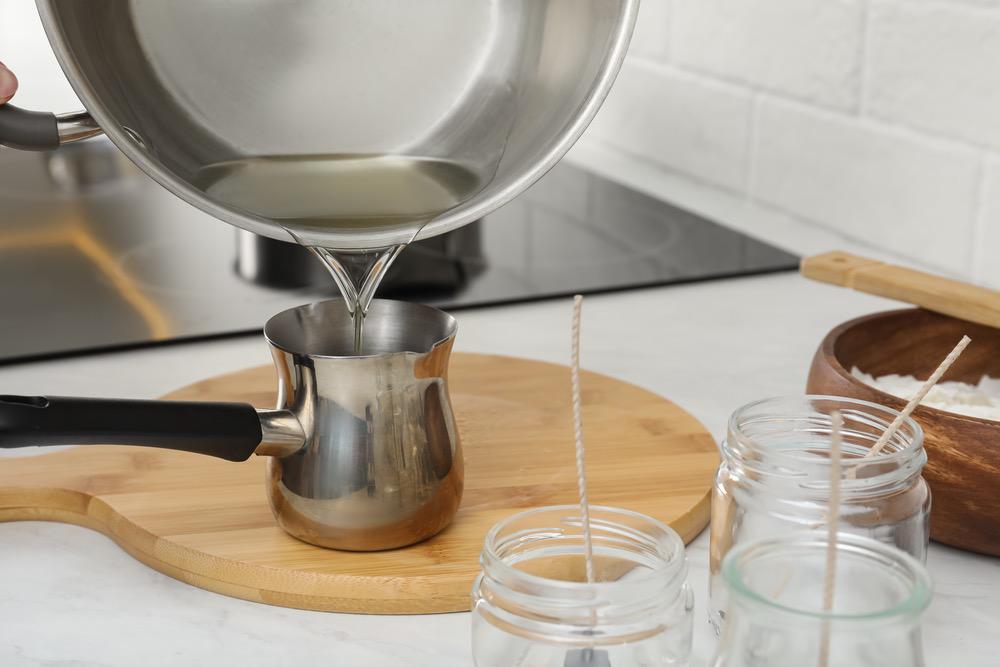
This is a list of candle making equipment. Whether you are just making a few candles as gifts for loved ones, or possibly venturing into the candle making industry; this is the equipment you will need to get started. Please note: Once this equipment has been used to make fragranced candles, it cannot be used again for food purposes.Pouring Pots- Coffee cans used to be perfect pouring pots when they were made of metal. By simply bending the lip on one side of the coffee can, you could make a perfect spout to pour candles. Metal coffee cans still exist, they are just harder to come by now. If you do choose to use metal coffee cans as pouring pots, remember to have plenty of heat resistant safety gloves or pot holders available to assist you in holding the hot can. This only works for metal coffee cans; most companies that sell coffee use plastic cans now. Unfortunately, these types of cans cannot handle the heat from the melted wax and they will melt; compromising your candle wax and making a big mess to clean up.Pouring pots, however, are great for candle making. Not only can they hold up to 4 pounds of melted wax, but they also have a plastic handle on them so there is less chance of burning your hand.In an ideal situation, you will have a pouring pot for each fragrance that you use to make candles. For example, if you carry Apple Cinnamon (red), Blueberry Muffin (blue), Fresh Bamboo (green), and Vanilla Silk (no color), that would equate to 4 total pouring pots. This works because you would never have to worry about jeopardizing your color accuracy or fragrance aromas in finished candles. But, this is only ideally. If you are just starting out, one pouring pot will work. You just have to make sure you thoroughly clean your pouring pot after each use. You also want to make sure you clean the outside and underneath portion of the pouring pot. Having debris or wax on the bottom of your pouring pot could result in splatter when the pouring pot is placed in the water to maintain wax temperature. The hot splatter can be painful. This splatter is also a reason why wearing safety glasses while making candles is a very good idea.Candy Thermometer- Wax temperature is everything when making candles. Usually, if there are problems with your finished candles, temperature has something to do with what went wrong. Using a thermometer to monitor your temperature in wax is one way to prevent these problems from occurring. For best results in candle making, pour any single pour waxes at 145-150 degrees Fahrenheit, and any votive or pillar wax at 160-165 degrees Fahrenheit.Votive and Candle Molds- After purchasing multiple votive molds, you will notice when you receive them, they will be stacked together. Make sure when you try to pull them apart you are wearing heavy duty gloves. The edges of stainless steel votives are extremely sharp. Attempting to pull them apart without gloves will cause cuts on your fingers.When working with candle molds or votive molds, you always want to make sure that before you pour the hot candle wax into the mold that they are at room temperature. Completing this one little step will save you the headache of trying to release the candle later.As for the cleaning process for these types of molds, rub a small amount of shortening in the inside and outside of the molds. Then, place the molds on a cookie sheet upside down. Once the cookie sheet has been carefully placed inside the oven, bake at 150 degrees Fahrenheit for 10-15 minutes. Once the time has elapsed, simply remove the cookie sheet and wipe the individual molds clean. Caution: The molds will be hot when taken out of the oven, so you may want to use pot holders. Please Note: Never use water with your metal molds.Work Environment- Having a favorable work environment for candle making is a must. Once again, it is all about temperature, and having a room that is 70 degrees Fahrenheit is optimal for the best candle making situation. Proper ventilation in the room is necessary, but you also have to remember rooms that have drafts will not work for the natural cooling stages of your candles. Candles that cool too quickly will give you problems with your finished candles aesthetic look or functionality.Work Clothes- These items may sound silly, but you never want to risk wearing one of your favorite outfits while making candles. No matter how neat and careful you are, candle dye is permanent, and getting wax, even the smallest amount, on your clothing will ruin them.Floor Protection- When making candles, a small spill can have detrimental affects to your work area. Besides the facts that candle dyes are permanent, wax messes are not the easiest to clean up, and spilled fragrance oil on a floor is super slippery, you do not want to take any chances especially if your work environment is your kitchen. By purchasing floor mats, or simply placing cardboard on the floor in your work area, you can prevent havoc from occurring. For you own personal safety, this is one perfect work environment step you do not want to skip.Stainless Steel Measuring Cups and Spoons- When it comes to measurements for colorants, additives, and fragrance oils, you will want to have your very own candle making stainless steel tools for this portion of the job. Fragrance oils will dissolve certain plastics, stainless steel measurers will not dissolve and can be cleaned time and time again without staining or scent memory.
Article
Candle Making Terminology
We at Natures Garden know that there is a lot of candle making terminology and techniques that you need to know to make great homemade candles. So, we are going to answer some common candle making questions and problems to make your experience more fun. So, set aside your candle making equipment and let's figure out how to make gorgeous scented candles!Types of CandlesWhat is a Pillar Candle?Pillar candles are free-standing candles that don't require a container. These often use a harder type of candle wax that is made for creating pillar candles, like Pillar of Bliss Wax or Palm Pillar Wax.What is a Votive Candle?Votive Candles are a smaller kind of candle. The average size is 1.5 ounces and they are about two inches tall and one and a half inches wide. These are often made with a Votive Mold.What is a Tealight Candle?Tea Lights are very small candles that are about an inch and a half wide and a half inch tall. They can be made in Tea Light Cups .Candle FragrancesWhat Does Fragrance Load Mean?In candle making, fragrance load refers to the amount of fragrance oil that you are using in your homemade candle recipe.My Candle Wax Will Hold a 10% Fragrance Load. How Do I Know How Much to Add?All you need to do is some simple math that we will walk you through! First, weigh the amount of candle wax you are using. Then, multiply this amount by 0.10, which is 10% to determine the amount of fragrance oil that you can use. Formula: Candle Wax Weight X Fragrance Percentage = Amount of Fragrance That Can Be Added Example: 20 (ounces of candle wax) X 0.10 = 2 ounces of fragrance oil So, since your candle wax is in ounces, the fragrance amount that can be added to the candle wax will also be in ounces.What Does Scent Throw Mean?The scent throw is the strength of fragrance that the candle releases into the air. Cold throw is the strength of scent when the candle is not lit yet. Hot throw is the strength of the scent throw when the candle is lit and burning.Candle WaxesWhat Kind of Wax Should I Use for Candles?Choosing a candle wax type depends on the type of candle that you want to create. So, the isn't a universal answer to the question, "Which is the best wax for candle making?" For example, pillar candles would require a pillar wax, which includes Pillar of Bliss Candle Wax and Palm Pillar Wax. The Pillar of Bliss Wax is a blend of soy and paraffin that has a great scent throw and a creamy finish. The Palm Pillar Wax has a crystal finish, has a wonderful scent throw, and comes form sustainable sources.However, container candles would be best with a container wax, which includes soy wax, Joy wax, WOW Wax, palm wax, and gel wax. Soy wax would make a great, inexpensive addition to your natural candle making supplies. It has a clean burn and and excellent cold throw, but it can be tricky to get a good hot throw from certain fragrances. Wow wax is mostly paraffin and has an amazing hot throw, but has a less clean burn. Joy wax is a perfect blend of paraffin wax and soy wax, as well as veggie wax and proprietary ingredients, that provides a cleaner burn with an amazing scent throw. Gel wax has a neat translucent look, but is not compatible with all fragrance oils. Our palm wax comes from sustainable sources that aren't harming the rainforest, has a beautiful crystal appearance, and a great scent throw.What is Granulated Wax?Simply, this is wax that is grainy and looks kind of like sand. This wax can be scented and colored without melting, so it is a easy and fun way to create candles with kids. We have made candle recipes like the Bacon Candle Recipe and the Hydrangea Candle Recipe with this type of wax.Crucial TemperaturesDo I Need to Worry About the Temperatures When Making Candles?Yes, this is very important for creating quality homemade candles! There are a few key moments where you will need a thermometer to be aware of the temperature of your wax. First, you need to make sure that your fragrance oil isn't added at a temperature that is too hot. If your fragrance is added at a temperature that is too high, then some of the notes may burn off and leave you with a less satisfying scent. Another issue is pouring your wax into the container too soon. If you pour at a temperature that is too cool, you could have improper adhesion, wet spots, sinking, and other issues. So, be sure to check your wax's description to see the temperature that is should be poured.What does sinkhole mean?Sinkhole is a hole or cavity that appears on your candle as it is setting up. Often, this occurs when the candle wax is poured at too low of a temperature.Can You Cool a Candle in the Fridge?No, candles should cool as slowly as possible on their own. If you place a candle in the fridge to cool, they may not adhere to the glass properly, which can lead to wet spots.Candle WicksChoosing the Right WickThe size of your wick depends on the diameter of your container. You can see the radius for each wick under it's description. However, you will still need to test because there are many variable between wax type and fragrance oil. A fragrance with a high flash point and high specific gravity, like vanilla, requires a hotter burn. But, low flash point scents with low specific gravity, like citrus, need a smaller wick. Also, you may hear the terms "wick up' and "wick down" when talking about find the right wick size. Wick down means that you should use a wick that is smaller than what you have been using and wick up means that you should use a wick that is larger than what you use for candles this size.How Do You Stop a Candle From Tunneling?If you don't know, tunneling is often the answer for the question, "Why isn t my candle wax not burning evenly all of the way down?" Tunneling can happen for a few reasons, which includes issues with wick size. If your wick is too small for the diameter of your candle, then it will not burn all the way to the outside edge. So, you may either need a larger wick, multiple wicks, or a different type of wick that will burn hotter.However, there are a few other issues that could cause tunneling. If you think your wick is the right size, then look into some of these potential issues, First, you may have a clogged wick, which can cause uneven burning. Also, it could be that you didn't do a memory burn for the candle's first use to ensure a proper burn. Finally, you may need to use a wax that has a lower melt point that is easier for you chosen wick to handle.Why Are My Candle Jars Black After I Burn My Candles?Often, this occurs when you wick is too big for your jar or your wick is too long. If your wick is trimmed down to 1/4 inch, then the length is fine. You can check the suggested radius for your wick to see if you need to get a smaller size. Also, using too much fragrance can clog the wick and cause more soot than normal.Do Candle Wicks Contain Lead?No, candle wicks in the Unites States, like ours, do not contain lead. In fact, lead core wicks were banned in the US in 2003.Proper BurningWhat is a Memory Burn?This is the first burn of your candles and is the most important. This burn will set the boundary of your melt pool and will determines whether the edges of your candle will be reached. A guide is to burn an hour for every inch your candle is wide to ensure that it will burn properly as it is used in future burns. Also, you will want to make sure that you wick isn't too low and isn't longer than 1/4 inch high.What Does Melt Pool Mean?Melt Pool is the candle wax that has melted on the top of the candle. Ideally, you will want this to be all the way across the top of your candle to ensure an even burn.What Does Mushrooming Mean in Candle Making?When I notice black clumps on top of my wick, I know that it is mushrooming. While all wick produce this carbon as they burn, some are worse than others. Also, factors that clog the wick can increase the mushrooming effect. The CD wicks produce the least amount of mushrooming, but there isn't a way to completely stop it due to it being a product of burning the wick.Candle ColoringHow Do You Color a Candle?There are a few different candle colorant options for your home made candles. First, you can use our Liquid Candle Dyes, which are extremely concentrated and will last a long time. Also, you can use a color block, which is made with paraffin, vegan, and can color up to 15 pounds of wax. Lastly, you can use a bit of powder dye. Just be careful not to use too much because it can clog your wick.Can You Use Crayons to Make Candles?We do not suggest using crayons to color candles. They don't burn properly and are likely to clog your wick.What is a UV Light Inhibitor?Since UV light from the sun can bleach the color out of candles, the UV light inhibitor is used to protect the color of your candles. This candle ingredient is most useful for preventing fading in burgundy, blue, and violet candle colors due to direct sunlight.How Do I Color My Candles White?While titanium dioxide can be used to create white pillar candles, you don't want to add it straight to your container candles as it can clog your wick.Candle AppearanceHow Do I Get Rid of Wet Spots on My Candles?Wet spots are air pockets that are formed when your candle didn't adhere properly to your candle jar. You can take a few steps to prevent this if you are having problems. First, try warming your candle jars to give you wax more time to cool. Also, you can try pouring your wax at a hotter temperature. Another good tip is to make sure the room your are making your candles in a room that is warm.What Is Frosting In Candle Making?Frosting is the white stuff that appears on waxes that contain soy wax. You can use a heat gun or blow dryer to re-melt the surface and give it a smoother finish. While you can lessen the effect of frosting, you can't eliminate it completely.What Are Jump Lines?These are the line that you can see on the side of either a container candle or a pillar candle.Progression of CandlesAs you can tell, there is a lot that goes into candle making. But, it is a process that has been developed overtime and takes time to master. If you are interested in learning a bit about the evolution of candles, then check out The History of Candles from Prehistoric Times Until Now by Pioneer Thinking.Talk to UsIf you have any more questions about candle making, you can look at our candle making classes or just ask us! We are on Facebook, Instagram, and Twitter (@ngscents).

Article
Candle Making - Soy Candles
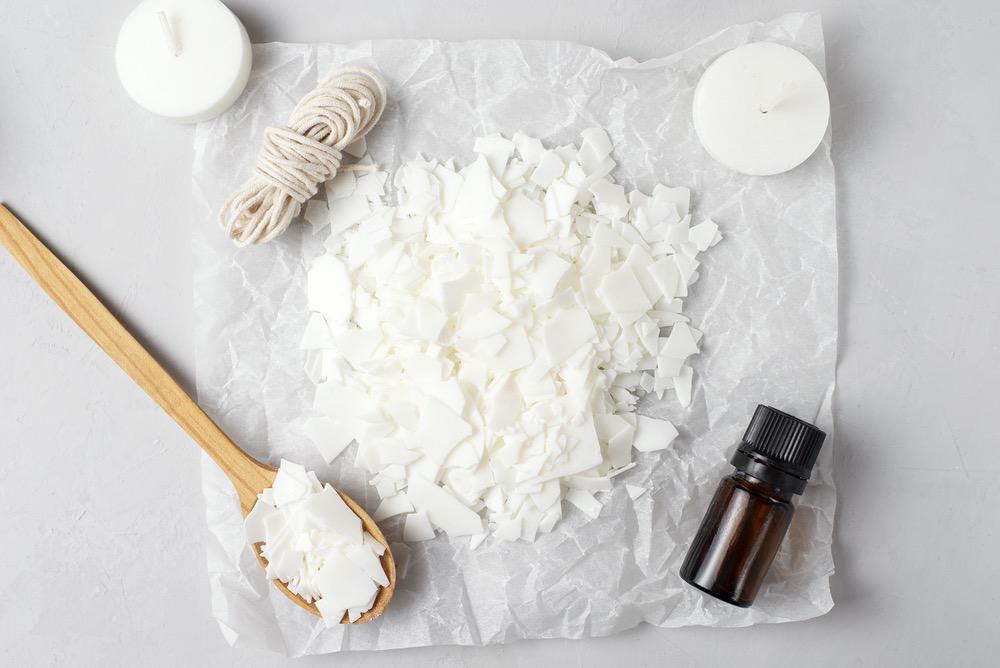
When it comes to candle making, the wax you use is really up to personal choice. There are quite a few reasons why candle makers select soy wax for their candles. Some like it due to the fact that soy wax is 100% natural (it is a pure vegetable wax) and it is biodegradable. Many prefer soy wax because of the long, even, and clean burn the wax provides with less soot. And, even still, many candle crafters like soy wax because it is an environmentally friendly, renewable resource that American farmers can plant and harvest; also helping the economy too. Some other reasons for why some people prefer using soy wax for their candles are ease of use. Since this wax is in flake form, it is a breeze to weigh out, work with, and clean up. And, soy wax is a single pour wax, requiring no repours.Soy wax is for container candles. Due to the nature of this natural wax, the finished candle will have a mottled (or frosted) appearance on top. However, if you do not like this appearance, you can always apply heat to the finished candle with a hot hair dryer or heat gun.Supplies and Equipment Needed: NG 100% Soy WaxFragrance OilSpectrum Candle Dye or Color BlockPouring PotThermometerGlasswareWicksScale Stainless steel mixing utensil Cookie Sheet Hot Glue Gun Glue Sticks Stove PotA little behind the scenes knowledge: For this candle making process we are going to suggest the double boiler system for melting the wax. Fill a large pot half way full with tap water. Place the filled pot onto the stove top burner. Turn the appropriate burner on medium heat. Once you have the pouring pot filled with the correct amount of soy wax, place the pouring pot into the water filled pot. Once the water starts to boil, you will notice that the soy wax is beginning to melt. As this occurs, you want to occasionally stir the wax to ensure an even temperature.Carefully place your glassware on a cookie sheet. Preheat your oven to the lowest temperature possible. Once the oven is heated, place the cookie sheet with the glassware into the oven. Allow your glassware to warm in the oven for 10-15 minutes. Once the allotted time has passed, carefully remove the cookie sheet using oven mitts. Set these aside. The standard fragrance percent for soy candles is 1-1 ounces of fragrance oil per pound of wax.For measuring purposes, 20 ounces (weight) of soy wax is equivalent to 16 ounces of fluid volume.Directions for making a soy candle: 1. Weigh out the correct amount of soy wax with your scale.2. Place your soy wax into your pouring pot and using the double boiler system, heat the wax to 185 degrees Fahrenheit. Monitor this by using your thermometer. Please Note: Heating soy wax hotter than 200 degrees Fahrenheit will discolor the wax, so proper monitoring of the temperature is advised.3. While you are waiting on the wax, plug in your hot glue gun.4. Once the wax is in a liquid state, add your candle colorant.5. Next, add your Natures Garden s fragrance oil of choice and stir well to incorporate throughout the wax. The information we provide below about flash point and burnoff is information we have learned over the years that will help make the best soy wax candles. When making candles, it is important to understand that ingredients affect the end result. Testing needs to be done by the candle maker for every fragrance that you decide to use. We provide the information as a guide, but you will still need to do the testing yourself. a. For this step you will need to know the flashpoint of the fragrance oil you selected. The right temperature is extremely important to ensure that the fragrance oil binds properly with the soy wax. You also do not want to risk burnoff . Burnoff is the adding of a fragrance oil at too hot of a wax temperature. Because a flashpoint on a fragrance oil is the highest temperature the fragrance can handle before breaking down, burnoff can affect the scent in the finished candle. That is why you want to know the proper temperature to add the fragrance oil. You can find this information right on the label of the Natures Garden fragrance oil. This information is also in the Important Fragrance Specifics area on the website under each fragrance oil listing.b. Fragrance Flashpoints give you the answer as to when you add your fragrance oil to the hot wax. Any flashpoint that is higher than 185 degrees Fahrenheit is added at 185 degrees. For any flashpoints that are below 185 degrees, they should be added at or below the flashpoint degree. The key to remember is try not to add the fragrance oil at a temperature that is hotter than its flashpoint.c. Some fragrance oils have a very low flashpoint. In these cases, testing comes into play. You are balancing flashpoint temperatures with the fact that the wax needs heat in order to bind the scent with the wax.6. Once the soy wax has been scented and colored, you will want to stir your wax thoroughly. Doing this step will help the mixing and binding of the color and scent throughout the wax.7. The next step is allow your soy wax to cool at room temperature. Place your thermometer into the pouring pot and wait until the wax reaches 110 degrees Fahrenheit. Pouring at this temperature will allow for a smoother surface in your finished candle. While you are waiting, prep your containers for the pour.8. Using your hot glue gun, place a little amount of glue to the bottom of the wick tab. Then, carefully center the wick to the bottom of the glassware. Gently, straighten your wick in each glass.9. Once your wax is the appropriate temperature (110 degrees F), you will notice the physical appearance of the wax will be slushy like. At this point, you are now ready to pour your wax. Slowly, fill each glass to the point where the jar changes shape. Filling a jar surpassed the point where the jar changes shape will increase your chance of a sink hole in the finished candle.10. Once all containers have been poured, allow them to set up and undisturbed at room temperature.11. When all candles have completely set up, lid each container to allow for the fragrance to be absorbed by the wax. This is known as the cure time. For best results, allow your candles to cure for 24-48 hours.12. Once the cure time has elapsed, it is now time to trim your wick, and light your homemade soy candle. Enjoy!On a Final Note: Anytime you burn a candle for the first time, you want to establish a memory burn. A memory burn is a complete wet pool of hot, melted wax over the entire top portion of the candle. If the first burn is a memory burn, this ensures that every time you burn your candle, you will not have tunneling around the wick or an excess of unmelted wax adhered to the candle jar. A memory burn also guarantees that the scent throw of your candle will be the best possible since every gram of scented wax is being used.If you are interested in making your very own soy wax candles, Natures Garden offers a Soy Wax Kit with all the ingredients you need to make soy candles.

Article
Can You Bring Candles on a Plane?
Whether you're heading to a craft fair, visiting family with handmade gifts, or just can’t travel without your favorite scent, you might be wondering: can you bring candles on a plane? The short answer is yes, but with a few important details to keep in mind.
Let’s walk through everything you need to know about flying with candles, from TSA rules to smart packing tips that protect your wax creations in transit.
TSA Candles: What Are the Rules?
According to TSA guidelines, solid candles are allowed in both carry-on and checked luggage. This includes most types of wax candles, such as:
Soy wax candles
Paraffin candles
Beeswax candles
Votive, container, or taper candles
As long as they’re solid and not in liquid or gel form, TSA allows candles to pass through airport security. The type of wax doesn’t matter, what matters is the consistency.
However, gel candles are considered liquids under the TSA liquids rule and must follow the standard 3.4-ounce size limit if packed in a carry-on. If your candle has a gel base or includes any kind of semi-liquid material (like essential oils suspended in gel), it’s safer to pack it in your checked bag.
Do Candles Count as Liquids on Planes?
Only certain candles fall into this category. Solid candles do not count as liquids, which means you can pack full-sized container candles in your carry-on without worrying about the 3-1-1 liquids rule.
That said, gel candles or novelty candles with embedded oils or liquid inclusions can trigger additional screening. When in doubt, check the product label, or better yet, pack it in your checked luggage to avoid delays at security.
How to Pack Candles for a Flight
If you're planning to bring candles on a plane, packing them properly helps prevent damage and mess. Here’s how to do it right:
In Carry-On Luggage:
Use padded wraps like bubble wrap or foam sheets to protect glass containers.
Place candles in a sturdy zippered pouch or a travel-safe box.
Make sure the wax is completely cool and hardened before packing (especially if recently made).
Don’t overload your carry-on, candles are heavy, and weight limits apply.
In Checked Bags:
Wrap each candle individually to prevent glass breakage or dents.
Use clothing or soft items to cushion around the candles.
Keep them upright if possible, especially if transporting tins with loose-fitting lids.
Label fragile items in your suitcase if you're traveling with large or specialty candles.
Bonus tip: Marking “candles” on the exterior of gift boxes can also help TSA agents identify them quickly during screening, which may reduce the chance of items being unwrapped or inspected more than necessary.
Are There Restrictions on Candle Size for Planes?
There are no specific TSA restrictions on candle size, as long as the candle is solid. This means you can pack:
Large 3-wick soy candles
Tall pillar candles
Oversized jar candles
…as long as they fit within your luggage dimensions and airline weight limits. Again, gel-based candles and anything semi-liquid will need to follow liquid rules for carry-on.
Carry-On vs. Checked Baggage: What’s Best for Candles?
Wondering what can you bring on a plane and where it’s safest to stash your candles? Here's a quick breakdown:
Carry-On Bag Pros:
Less handling = less risk of breakage
Ideal for small batches, gifts, or personal-use candles
Easier to cushion and keep upright
Checked Bag Pros:
More room for larger candles or bulkier quantities
No liquid rule worries for gel or novelty candles
Frees up space in your carry-on
If you’re transporting a lot of candles, like inventory for a market or multiple gifts, checked luggage might be the smarter route. Just be sure to pack everything securely and avoid overloading one area of the bag.
Flying with Candles You’ve Made Yourself
For candle makers, travel often means taking your own creations with you. Whether you're flying to a craft show or delivering handmade gifts, your homemade candles are perfectly fine to bring, as long as they follow the same TSA rules.
Just remember:
Avoid including botanicals, glitter, or foreign objects in candles you plan to fly with. These additions can confuse security or affect the candle’s stability during transport.
Stick to solid, container-safe designs. Glass jars, tins, or metal vessels travel best.
FAQs About Traveling With Candles
Can I bring candles in my carry-on bag?
Yes, solid candles are allowed in your carry-on. Just pack them well to avoid damage.
What kind of candles should I avoid packing in a carry-on?
Gel candles or anything semi-liquid should be packed in checked luggage due to TSA’s liquid rules.
Will airport security remove candles from my bag?
If packed clearly and securely, most solid candles pass through screening without issue. Unusual or heavily scented items may be inspected, so plan ahead.
Can I take candles internationally?
TSA rules apply in the U.S., but international destinations may have different restrictions. Always check with your airline and destination country before flying with candles.
The Bottom Line: Yes, You Can Bring Candles on a Plane
So, are candles allowed on planes? Absolutely, especially if they’re solid. Whether you're flying with candles for gifting, selling, or personal use, understanding TSA candle rules and how to pack candles for a flight keeps your travel smooth and stress-free.
Just avoid gel-based or liquid candles in your carry-on, wrap everything securely, and use appropriate containers like tins or jars designed for candles. And if you're a maker, double-check your materials, including fragrance oils, before traveling.
Happy travels, and happy candle making!

Article
Best Oils For Your Hair Type
When creating your own conditioning recipes, knowing the best oils for your hair type is extremely helpful! Today, Nature's Garden reviews the properties of luscious oils and the effects they have on hair. While many oils can be used for a few different types of hair, it's easier to formulate a recipe with an understanding of the properties of the oils. Depending on your hair type, you may need to adjust amounts and mix different oils. But, this basic review of cosmetic oils is a good place to start!Best Oils For Your Hair Type: All Hair TypesJust as each hair type has different qualities, all oils have different properties. While there are oils that work best for specific hair types, some oils work well for everyone. There are other oils have more distinct qualities that only work for a few hair types. However, these more universal oils provide nutrients that every head of hair would need. So, these first few oils are the ones that everyone could include in their hair care easily. They provide deep moisturization, absorb fairly quickly, and any excess oil washes out easily. This means that you can get the perfect amount of moisture without heavy oils weighing down your hair.Coconut OilCoconut Oil is a perfect cosmetic oil for all types of hair. This oil is very similar to our own natural oils, so even greasy hair can benefit from using a bit of this oil. Adding coconut oil to your hair care will help to replenish your strand's essential nutrients and keep your natural oil production at a healthy level. Plus, this cosmetic oil is packed full of essential nutrients that will strengthen strands and promote hair growth.Jojoba OilSince Jojoba Oil is similar in content to your natural hair oils, this is a perfect addition to any conditioning recipe. Due to this oil's similarity, it won't disturb your balance of oils. This means that this oil would make a nice addition to products for any hair type. Plus, this cosmetic oil contains nutrients that will leave your hair feeling soft and shiny. Further, this oil is very soothing to the scalp and could help reduce dandruff.Vitamin E OilA bit of Vitamin E Oil in any hair care product is beneficial. This oil is a thick, rich oil that wonderfully nourishes the hair. This cosmetic oil makes a wonderful addition to hair care products as an added supplement that will nourish and care for your hair.Best Oils For Your Hair Type Oily HairWe all need conditioner, but you may need a little less. This excess of natural oils has you never wanting to add more oils. You don't want to neglect your ends, but your scalp seems to have all of your moisturization covered. Trying to figure out a perfect routine for your greasy hair can become frustrating. Every head of hair is different, so there is experimenting involved to finding your own regime. But, we'd like to share some oils that would work best for those with an oily hair type. This way you can create a conditioner that works for you and keeps your ends moisturized, without becoming too oily at the scalp.Grapeseed OilGrapeseed Oil is a light, moisturizing cosmetic oil that will get your hair shiny without feeling greasy. This oil will absorb fairly quickly to provide your hair with needed proteins and minerals. So, you won't be left with heavy oils weighing down your hair. Sunflower OilAlso, Sunflower Oil is a great choice for those with oily locks. While this oil contains nutrients that are important for healthy hair, this cosmetic oil is light and perfect for this hair type. This oil is light, easily absorbed. This means that the oils won't cling to your hair and add to your natural oils. Plus, Sunflower Oil penetrates deep into each individual strand to ensure that all your hair has been taken care of.Argan OilNext, we have an oil that those with oily hair are going to love. Argan Oil is an ultralight oil that won't leave your hair greasy. However, this doesn't mean that this oil isn't perfect for moisturizing your ends. This oil is perfect for hydrating, as the oil sinks in quickly and easily. This oil is able to penetrate deep into the hair to repair any damage. So, you can get the right level of moisture and shine exactly where you need it.Best Oils For Your Hair Type Frizzy or Dry HairIf you have dry, frizzy, or damaged hair, then you are going to need some powerful moisturizing power. Not only do you want to use nourishing conditioner, but a hair mask from time to time may be necessary. So, you may need some thicker and oils with more a more protective quality in your own hair care products.Macadamia Nut OilDry and frizzy hair can benefit from using Macadamia Nut Oil. This oil is perfect for the most dried out and damaged hair. Nut based oils tend to be more nourishing and this specific nut based oil is one of the richest. Since this oil is very moisturizing, you could potentially overuse this oil. It is best to use as a deep conditioning hair mask every so often. Depending on the level of dryness or heat damage that you experience would determine how much you need. This luxurious oil could work perfectly in hair mask recipes used on a weekly or biweekly basis.Meadowfoam Seed OilThis oil is great for dry or damaged hair. Both shine and moisture are added to your hair due to the oil. Not only does Meadowfoam Seed Oil lock in the moisture, but it is known to have some UV light protection against sun damage. So, this oil will be perfect for protecting your dry, damaged hair.Lanolin OilIf your hair has become unbearably dry, then you may want to try out Lanolin in your homemade conditioner. This ingredient is thick, but it sure does moisturize! This oil will lock in moisture and add extra protection. Also, this oil will likely be better suited for someone with thicker or even curly hair, too. It could be too greasy for some with thinner hair. But, this oil is sure to be perfect for deep, heavy moisturizing that will solve dry hair issues.Best Oils For Your Hair Type Curly HairCurly hair is gorgeous, we just need to know how to care for it! Curly hair is a bit tricky because it is difficult for your natural oils to protect your hair as it grows. This leaves you with hair that is naturally dry. Further, it is nearly impossible to brush your natural oils down to where you need them. So, you are definitely in need some deep conditioning oils that will protect your hair. This means any of your hair care products should contain at least a few oils that will last and protect!Castor OilCastor Oil is a thicker cosmetic oil that is nice for making products for curly hair. While this oil is a bit more difficult to wash out after using, this amazing oil has the nourishment that curly hair craves. First, this oil is exceptional at drawing moisture into your hair and retaining your natural moisture, as well. So, your luscious locks will be left shiny, moisturized, and soft after a few uses! Further, castor oil will coat and protect your hair from the friction damage that comes from brushing or washing your hair. Ultimately, this oil can sometimes help reduce frizz, split ends, and add some shine.Avocado OilAnother great oil for moisturizing your curly hair is Avocado Oil. This lovely oil will nourish and strengthen your hair. Since curly hair needs deep moisturization, this oil is perfect! Avocado Oil will sink in and moisturize from root to tip. Furthermore, this oil can help repair damage and strengthen your strands. Plus, this oil is perfect for taming frizz, detangling, and adding shine!Best Oils For Your Hair Type Thick HairEveryone thinks that thick hair must be a dream come true, but there are a few things you still need to worry about. While full hair is pretty great for creating gorgeous hairdos, it is a lot to manage! It takes forever to blow dry, brush, and fix. Plus, it can be difficult for moisture to get all the way down into thick hair. So, here are some oils that work well specifically for thicker hair.Olive OilOlive oil is a rich ingredient that is packed full of nourishment for your hair. This oil is a deeply moisturizing oil that is full of vitamins and antioxidants. These nutrients help seal in moisture and protect your hair. This oil is not only great for moisturizing, but this oil is perfect for thick hair. As you work Olive Oil into your luscious locks, the oil will begin to nourish your hair. Plus, this hair type is better able to handle this thicker, more moisturizing oil.Avocado OilAlso, Avocado Oil is a great oil that could be helpful for thicker hair. This oil is full of vitamins, antioxidants, minerals, fatty acids, and biotin, which are amazing for hair care. This oil will perfectly moisturize without the downfall of leaving stiff residue on the hair. Plus, this oil is a perfect detangler, as it is naturally lubricating without making hair too greasy. So, this a great oil to help better manage all that glorious hair!Best Oils For Your Hair Type Fine HairWhether you have thick or thin hair, you could have fine hair. Fine hair actually refers to the thickness of individual strands. This results in fine hair strands, hair that is fragile and is more susceptible to breakage. Plus, fine hair requires lighter oils for conditioning, as heavy oils will noticeably weigh down the hair. While you don't want that to happen, it is important to still provide your hair with moisture. So, you need to know what oils would work best in your customized shampoo and conditioner recipes.Grapeseed OilWe're back again with the Grapeseed Oil! Not only is this a good hair for oily hair, but this oil will help strengthen your hair! This oil contains essential nutrients that your strands can really benefit from! Adding this cosmetic oil to your hair care products will promote hair growth and strength that is perfect for fine strands as well. After this oil is absorbed by your hair, the oil fortifies and strengthens your strands. This will prevent split ends and breaking, as well as reduce thinning hair and frizz.Safflower OilAnother great oil for fine hair is Safflower Oil. Safflower oil is perfect for hair growth and strengthening hair. This oil supplements the protein in your individual strands to provide extra strength that your hair needs. Since fine hair has thinner strands and is more prone to breakage, this oil is perfect for managing your hair! Also, this oil is especially great if you are trying to grow your hair out longer.Best Oils For Your Hair Type Thin HairWhile everyone seems to want thicker hair, there are some perks to having thinner hair. It's easier to control and takes less time to manage. So, your hair may not require deep, revitalizing conditioning, your hair still needs the care of nourish oils. Whether the oils that you choose are great for adding volume, moisture, or nutrients, these oils are light and perfect for thinner hair types.Sweet Almond OilYour hair is going to need an oil that is light and absorbs easily. So, Sweet Almond Oil is the perfect oil! While this oil is full of moisturizing power, this oil will not leave your hair feeling weighed down. This oil will absorb quickly into the hair so that it gets the nourishment it requires. However, this oil won't leave behind a heavy coating on the surface of your strands. You can strengthen your individual strands without getting too oily.Sesame Seed OilAlso, Sesame Seed Oil Is a perfect oil for thin hair types. This oil is non greasy and perfect for moisturizing. This oil prevents moisture loss as it conditions and leaves a soft shine to your hair. Further, this cosmetic oil is great for adding fullness and volume to both fine or thin hair types. So, this is a perfect way to moisturize and add body to your hair.Best Oils For Your Hair Type Additional Hair Qualities to ConsiderIn addition to the different qualities that hair can have, there are various issues that could need attention. These oils have been shown to be useful for reducing some kind of issue that is common with hair. If you are experiencing hair loss, dandruff, or premature graying, then some of these oils below may be perfect for you!Best Oils For Your Hair Type Dandruff Prone HairA dry scalp is really a pain. Not only do you have to worry about flecks in your hair, but this dry skin can end up on clothes, too. Talk about ruining a nice occasion. But, you aren't trapped and there is a solution! There are many moisturizing oils that are perfect for fighting dandruff. So, here are a couple great choices for your hair care.Safflower OilSafflower Oil is great for improving hair growth. This oil contains rich ingredients, like oleic acid and Vitamin E, that are perfect for the scalp. Applying this oil to your scalp will provide the moisture your skin needs. This will create healthier skin on your scalp and reduce dandruff. Plus, this oil isn't very heavy and will be easy to incorporate into hair products for all hair types.Olive OilOlive Oil is another oil that is great for moisturizing the scalp. This cosmetic oil is full of healthy, fatty acids that will both enrich and protect your hair. Plus, the vitamins that this oil contains help deal with bald patches and banish dandruff. However, realize that this oil is thick and is better suited for thicker hair. Otherwise, this oil may weigh your hair down too much.Best Oils For Your Hair Type Hair LossIt can be easy to get hair pulled out from time to time, especially with longer hair. But sometimes, you may feel like you are just losing too much. On the other hand, you could have an underlying skin issue that could be causing hair loss. So, we have a few different oils that have shown to either reduce hair loss, strengthen hair, or promote faster growth.Pumpkin Seed OilThis oil has been known to be great for reducing hair loss. This oil adds essential nutrients that are important for the production of hair. These nutrients, especially zinc and magnesium, can help to not only thicken your hair but to speed up growth, too.Apricot Kernel OilApricot Kernel Oil is a perfect oil for promoting hair growth. This oil promotes hair growth by moisturizing the scalp, lubricating the hair follicles, and preventing moisture loss. So, this oil controls the moisture level and promotes hair growth.Castor OilAlso, Castor Oil is wonderful for preventing hair loss for a few reasons. First, this oil is beneficial for those with folliculitis and scalp infections, as this oil has antibacterial and antifungal properties. Plus, this cosmetic oil has properties that increase circulation and replenish natural oils to promote hair growth. Also, this oil will help support and strengthen your hair.Best Oils For Your Hair Type Premature GrayingNobody is excited for their hair to go gray. While this process will naturally happen as a person gets older, you'd definitely like to stop it from happening right now! So, we have found a few oils that have been known to slow or reduce the appearance of graying hair. While this won't alter the natural process of hair as you age, these oils can be used to help reduce premature graying!Rice Bran OilThe antioxidants and high Vitamin E content in Rice Bran Oil are very beneficial to the hair. This cosmetic oil acts as an anti-aging product for your skin. While this oil won't dye previously existing gray hair, this oil will help prevent premature graying of hair before it happens. Thus, this oil replenishes essential nutrients in your hair.Sesame Seed OilAlso, Sesame Seed Oil can be used to help retain your natural color for longer. By massaging this oil into your scalp you will be adding this oil's natural properties to the base of your hair. This will slow graying by darkening your hair and helping it to remain healthy.
Article
Best Fragrance Oils For Soap
As all soap makers know, not every fragrance oil soaps the same. The truth of it is that some scents are better for soap making than others. While you may find a scent that you just adore, you'd have to be pretty lucky to discover that it actually works perfectly. Some make the batch more difficult to work with, while others make it impossible to get the right color for your soaps. Further, you may even find that the scent you loved so much fades after the soap making is all said and done. We recognize the hardship of finding that perfect performing scent. So, we are trying to make this process a bit easier. Since it can be difficult to sort through hundreds of scents to find the ones that work best, we at Nature's Garden have compiled the Best Fragrance Oils For Soap! So, look through our list of the easiest soaping scents with no disappointment of weak scents after cure! This list is a soap makers dream! So, check out the all of the fragrance oils we have compiled and see if you can find any that you'd like to use.Best Fragrance Oils For Soap: NG Viva la Juicee Fragrance OilThe Viva la Juicee Fragrance Oil is a tantalizing summer scent that is perfect for making your soaps from scratch. Any of your soap batches that use this fragrance oil will have no issues with separation, acceleration, ricing, nor discoloration, which can be seen in our own soap making video. So, soapers that are using this fragrance in soap is a breeze! Further, this sweet scent that is left in your cured soaps is amazing! This perfect summer scent remains very strong and gorgeous in the finished soaps! Overall, this is a scent that is so worth using in your soap recipe!Best Fragrance Oils For Soap: Country Garden Fragrance OilAlso, check out the amazing floral scent, Country Garden Fragrance Oil! This lovely fragrance oil is a romantic blend of fresh green clover, and ivy with middle notes of romantic snapdragon, rose petals, and carnations with base notes of white musk and fig leaves. Plus, this gorgeous scent stays very strong in soaps. Further, you can see in our soap video that this floral bouquet of a scent has absolutely no acceleration during the soaping process! Overall, this lovely fragrance oil is a good scent for soap makers that wish to try out a floral fragrance that isn't too difficult.Best Fragrance Oils For Soap: Merlot Wine Fragrance OilNext, try out an elegant scent that is an absolute treat for you to use in cold process soaps. Of course, we are talking about the Merlot Wine Fragrance Oil! This delectable fragrance's notes of scrumptious plums, apples, red raspberries and strawberries that blend with the light alcoholic wine scent creates a wonderful aroma that even stays strong and true in soap! Plus, this amazing soap scent doesn't have a single issue in a batch of cold process soap, which you can see in our soaping video.Obviously, we had to take advantage of this perfect soap scent in one of our recipes. So, we created the wonderful Wine Cold Process Soap Recipe! Not only does this soap recipe use the perfect Merlot Wine Fragrance, but this recipe actually includes real wine in the soap! Talk about a true to life scent! Between the fragrance oil and the real wine notes, this recipe is absolutely perfect!Best Fragrance Oils For Soap: Lotus Blossom Fragrance OilAre you ready for a floral scent that is absolutely perfect for making cold process soap? Then check out Natures Garden's Lotus Blossom Fragrance Oil! This scent mimics the true water-fresh, clean, and slightly powdery scent that occurs naturally in the beautiful lotus flower. This scent isn't one that is too sweet, but it is very lovely and pure! This pure scent remains very strong in finished soaps. Further, this floral scent is perfect and soaps like a dream. There is no ricing, no acceleration, no separation, and no discoloration. See for yourself by clicking here.Best Fragrance Oils For Soap Cucumber Wasabi Fragrance OilAlso, we have found another fragrance oil that works great in soap and keeps a wonderful scent! The Cucumber Wasabi Fragrance Oil has a refreshing aroma that is clean, energetic, and downright spa-like. So, it is a perfect aroma for soap, as well as performing great! Plus, the scent remains very strong in a cured batch of cp soaps. Not only is the scent perfect, but the performance is as well. There is no ricing, no acceleration, no separation, and no discoloration, which means perfect pour! So, if you are interested in this scent you may want to see how this scent performs click here to see our soaping video.Best Fragrance Oils For Soap Mango Sorbet Fragrance OilAnother great soap making scent is the Mango Sorbet Fragrance Oil! This uplifting aroma is a blend of ripe mango, juicy lemons, and fresh, red raspberries that intermingle to create a decadent fragrance oil. Plus, this energizing fragrance oil is perfect in cold process soap. The scent is very strong and there is no ricing, no acceleration, and no separation. If you would like to see how this scent works, then take a look at how this scent performs in our soaping video.Best Fragrance Oils For Soap: Bite Me Fragrance OilWe have more scents that are perfect for soap making, such as the Bite Me Fragrance Oil. This playful scent it a luscious blend of berry and cherry with a sweet vanilla base. This intense scent is not only great on its own, but the aroma strong in finished cp soaps. Plus, the fragrance is a perfect pour and has absolutely no ricing, no acceleration, and no separation. If you'd like to see how this scent performs, then you can see our soap video for this scent. So, any soap maker that is interested in this scent will not be disappointed.Best Fragrance Oils For Soap: Black Raspberry Vanilla Fragrance OilAnother enticing scent that is great for soaping is the Black Raspberry Vanilla Fragrance Oil! This sweet blend of juicy berries, light florals, and sweet vanilla makes a perfectly delicious scent that really lasts in cold process soap. Further, this fragrance works perfectly in a soap recipe. Of course, they are no issues with ricing, acceleration, separation, nor discoloration, which you can see on our own soap testing video of this scent. So, this sweet scent provides all the fragrance oil fun without any soap making hardships.Best Fragrance Oils For Soap: White Tea & Ginger Type Fragrance OilNext, we have the White Tea & Ginger Type Fragrance Oil. This scent is a tea blend of white tea and earl grey tea with a variety of other notes used to enhance the scent. Further, this fragrance is perfect for cold process soap making! Not only does this fragrance leave a strong scent in cured soaps, but the batch of soap will have no issues due to the addition of this scent, which you can see in our soap testing video. So, this fragrance oil is one of our best!Best Fragrance Oils For Soap: Lavender Flowers Fragrance OilAnother great scent for soap makers to try out is the Lavender Flowers Fragrance Oil. This aroma captures the true aroma of fresh lavender flowers. This relaxing flower scent is already perfect for creating soap from scratch, but on top of this, the Lavender Flowers scent is a perfect floral choice for cold process soap! There is no ricing, no separation and no discoloration. Plus, there is only a slight acceleration, which is pretty great for a floral scent. Additionally, you can see exactly how nice this scent is by watching our soap testing results of this scent.Best Fragrance Oils For Soap: Hot Pink Lime Fragrance OilWe have even more scents that are perfect for making homemade soap. For example, the Hot Pink Lime Fragrance Oil works like a dream in soap batches. There is no acceleration, no ricing, no separation, and no discoloration caused by this fragrance oil. Plus, this refreshing blend of Kaffir lime, Japanese grapefruit, tangerine, and lemon; middle notes of bergamot and strawberries; sitting on base notes of brown sugar and oak moss creates a scent that is even strong in cured soaps. See how wonderful this scent is for yourself by checking out our cp soap testing video for this scent.Best Fragrance Oils For Soap: Sweet Orange Chili Pepper Fragrance OilAlso, we have a sassy and saucy fragrance oil that works wonders in cold process soaps. This Sweet Orange Chili Pepper Fragrance Oil is a great scent that stays strong is soaps. It utilizes a combination of Valencia Orange, Sparkling Bergamot, Tangerine Zest, Tart Cassis, Orange Juice, Neroli, Ground Pepper, Fiery Chili Pepper, and Sheer Musk. Further, this fragrance oil soaped at room temperature would be a great choice for soap makers, as according to our soap testing results.Best Fragrance Oils For Soap: The Perfect Man Fragrance OilThe Perfect Man Fragrance Oil is a masculine scent that is perfect for making soaps. This daring scent is a blend of Japanese grapefruit, bergamot, and lemon; followed by middle notes of peppercorn, ginger, jasmine, aquatic marine notes, and a hint of peppermint; sitting on expensive base notes of natural patchouli, cedar, vetiver, labdanum, and frankincense that is perfectly strong in soaps. Plus, our soap testing results have shown us that this scent has no acceleration, no ricing, and no separation.Best Fragrance Oils For Soap: Strawberry Rhubarb Pie Fragrance OilFurther, check out another great fragrance oil for creating handmade soaps! We have the Strawberry Rhubarb Pie Fragrance Oil, which is an absolute treat to use in soaps. This delicious pie scent takes the aroma of sweet fresh strawberries mixed with sour rhubarb marmalade and mixes it with a base note of flaky pie crust to create a delicious scent that is very strong in soaps. Plus, this bakery fragrance oil is perfect in a soap batch. Our soap testing video revealed that this scent has no acceleration, no separation, no discoloration.