Fragrance Oils for Perfume (Alcohol-Free)
In short: You can make your own alcohol-free perfume by blending a skin-safe fragrance oil into a carrier oil for a roll-on, or into beeswax and butter for a solid perfume. This guide walks through choosing the right fragrance oil, staying within safe usage limits, and making both styles at home.
Jump to
- Choosing a Fragrance Oil for Perfume
- How to Make a Roll-On Perfume Oil
- How to Make a Solid Perfume
- Frequently Asked Questions
One of the best things about making your own perfume is how approachable it is. You don't need a long list of ingredients or specialized equipment to get started. A fragrance oil you already love, a carrier oil, and a roller bottle are enough to make a perfume that's ready to wear in just a few minutes.
Start with a skin-safe fragrance oil, follow its IFRA usage limit for fine fragrance, and blend it with a carrier oil or wax base to create a custom roll-on or solid perfume. Making your own alcohol-free perfume is a simple way to enjoy a fragrance you love in a more personal form.
In this guide, you'll learn how to choose a fragrance oil that's appropriate for perfume, how to stay within its recommended usage limits, and how to make both a roll-on perfume oil and a solid perfume at home.
If you're new to fragrance oils, our Fragrance Oils Guide explains how they perform across candles, soap, lotion, diffusers, and more.
Choosing a Fragrance Oil for Perfume
Perfume stays on your skin for hours, so choosing the right fragrance oil is an important first step.
Before you begin, check these three things:
-
Is the fragrance oil approved for skin use?
-
What does its IFRA Certificate allow for fine fragrance?
-
Is it a scent you enjoy wearing throughout the day?
Once you've answered those questions, you're ready to start blending.
Choose a Skin-Safe Fragrance Oil
Not every fragrance oil is intended for products that stay on the skin.
Look for a fragrance oil that's approved for leave-on products such as perfume, lotion, body butter, or body oil. If a fragrance is intended only for candles or home fragrance, save it for those projects instead.
Check the IFRA Certificate
Every skin-safe fragrance oil should include an IFRA Certificate showing its maximum recommended usage rate for different applications.
For perfume, pay attention to the fine fragrance category. That percentage tells you the maximum amount of fragrance oil recommended for your finished perfume.
Our Fragrance Load & Safety Guide [Link when published] explains how to read an IFRA Certificate and calculate fragrance percentages for different projects.
Wearability Matters
A fragrance can smell wonderful in a candle or soap, and still feel completely different on your skin.
Before making a larger batch, try a small amount first. Wearing the fragrance for a day or two is often the best way to decide if it's one you'll enjoy reaching for again.
How to Make a Roll-On Perfume Oil
A roll-on perfume is one of the easiest fragrance projects to make. With a carrier oil, a fragrance oil, and a roller bottle, you can put together a custom perfume in just a few minutes.
What You'll Need
-
A roller bottle (10 ml is a common size)
-
A carrier oil such as fractionated coconut oil, sweet almond oil, or jojoba oil
-
A skin-safe fragrance oil
Basic Ratio
A good starting point is 10 to 15% fragrance oil and 85 to 90% carrier oil.
Always compare that starting point with the fragrance oil's IFRA Certificate. If the approved fine fragrance limit is lower, use the lower percentage instead.
For a 10 ml roller bottle at 10% fragrance, you'll use about 1 ml of fragrance oil, then fill the rest with your carrier oil.
Steps
-
Add the fragrance oil to your empty roller bottle.
-
Fill the remainder of the bottle with your carrier oil, leaving a little space at the top.
-
Insert the roller and cap the bottle.
-
Roll the bottle gently between your hands to blend everything together.
Let the perfume rest for 24 to 48 hours before wearing it. During that time, the fragrance settles into the carrier oil, and you may notice the scent becomes a little smoother and more balanced.
Apply your perfume to pulse points like your wrists, behind your ears, or the inside of your elbows.
If you'd like to experiment with different carrier oils, our Carrier Oils Guide explains how popular options absorb into the skin and how they can affect the feel of your finished perfume.
How to Make a Solid Perfume
If you prefer something that's easy to carry in a pocket or purse, a solid perfume is a great option.
Instead of a liquid carrier, you'll combine fragrance with beeswax and a carrier oil or butter to create a smooth balm that melts slightly when applied to your skin.
What You'll Need
-
Beeswax
-
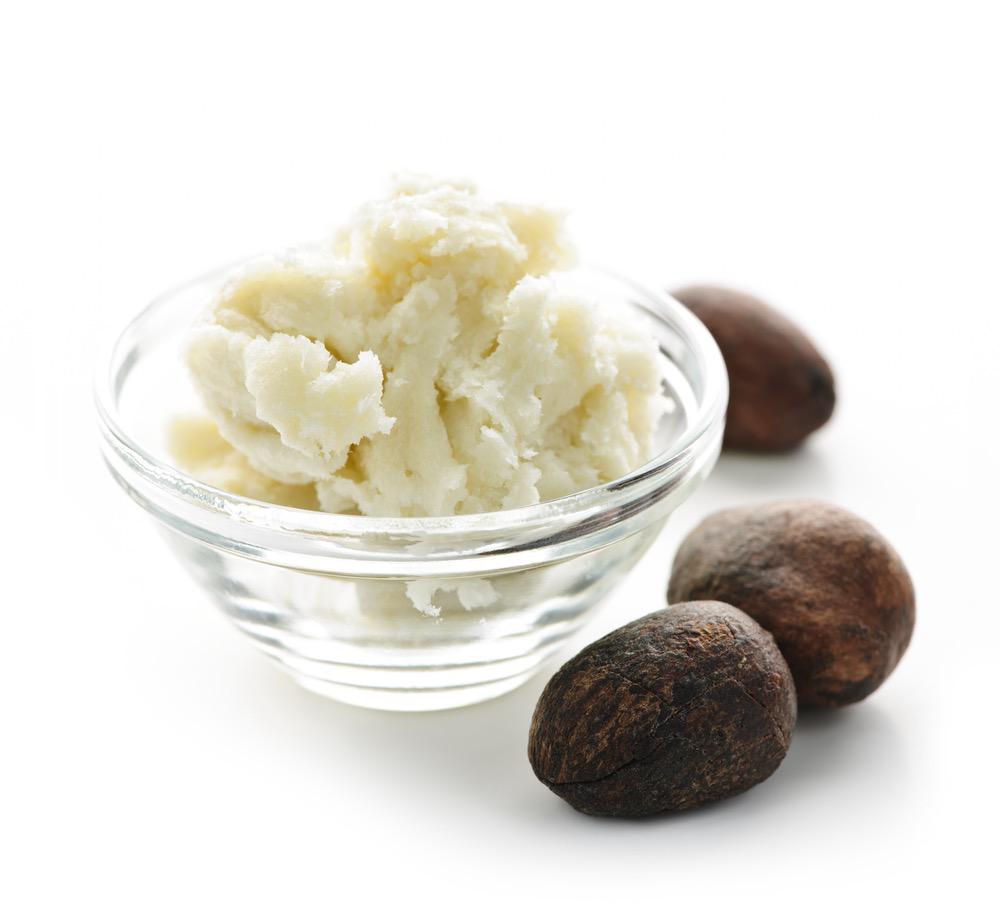
A carrier oil or body butter, such as sweet almond oil or shea butter
-
A skin-safe fragrance oil
-
A small tin or compact
Basic Ratio
A simple starting point is 1 part beeswax to 4 parts carrier oil or butter by weight.
Add your fragrance oil using the same percentage you would for a roll-on perfume, while staying within the fragrance oil's approved fine fragrance limit.
Steps
-
Melt the beeswax and carrier oil or butter together using a double boiler.
-
Stir until the mixture is completely combined.
-
Remove from the heat and allow it to cool slightly.
-
Stir in the fragrance oil.
-
Pour the mixture into your tin while it's still liquid.
-
Let it cool completely before using.
Adding the fragrance after the mixture cools slightly can help preserve more delicate fragrance notes.
To use your solid perfume, warm a small amount with your fingertip and apply it to your pulse points. Since the wax helps hold the fragrance in place, you'll often need only a small amount.
Frequently Asked Questions
Can you make perfume with fragrance oil?
Yes. Skin-safe fragrance oils can be blended with a carrier oil or incorporated into a wax base to create an alcohol-free perfume, whether as a roll-on or a solid. Always follow the fragrance oil's IFRA limit for fine fragrance so your finished perfume stays within safe usage guidelines.
How much fragrance oil should I use in perfume?
Many roll-on and solid perfumes begin around 10 to 15 percent fragrance oil, but the correct percentage depends on the fragrance oil's IFRA Certificate for fine fragrance. Always check that limit before you blend, since it can vary from one fragrance oil to the next.
What is alcohol-free perfume?
Alcohol-free perfume uses a carrier oil or wax instead of alcohol as the base. The fragrance is blended directly into that base, creating a perfume that wears close to the skin and tends to last longer than the alcohol found in traditional spray perfumes.
How do you make solid perfume?
Melt beeswax together with a carrier oil or butter using a double boiler, allow the mixture to cool slightly, then stir in your fragrance oil at its recommended usage rate. Pour the blend into a tin and let it cool completely before using.
Make a Perfume That's Your Own
One of the nicest things about making your own perfume is that you can keep it simple. Start with a fragrance oil you already love, make a small batch, and wear it for a few days before deciding if you'd like to make any adjustments. Sometimes the perfect everyday perfume is already sitting on your shelf in the form of a favorite fragrance oil.
Browse our collection of Skin-Safe Fragrance Oils , along with our Carrier Oils and Beeswax & Butters, and explore our Roll-On & Perfume Containers to put your next perfume together.
If you're interested in making other scented body care products, our Fragrance Oils Guide shows how fragrance oils perform across different projects.