How to Naturally Color Soap
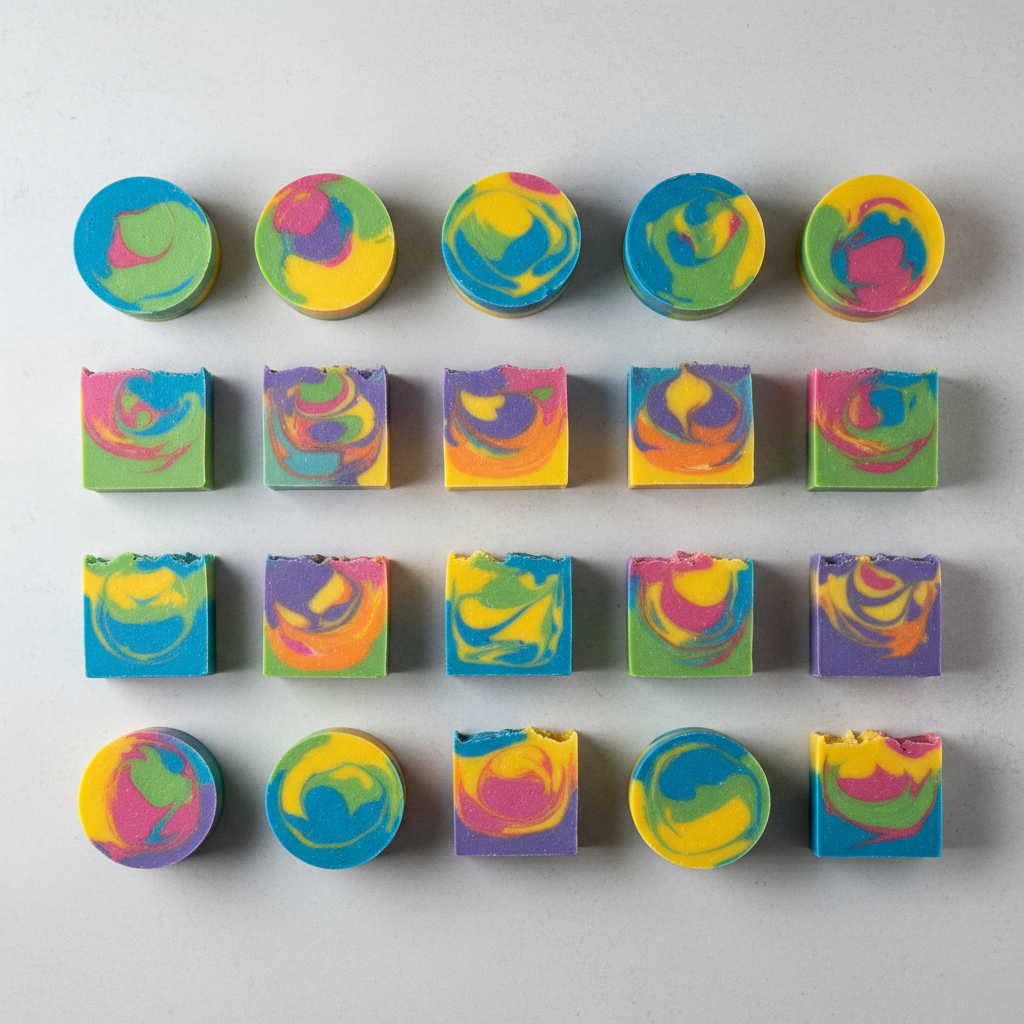
Learning how to color soap naturally opens up a whole palette pulled straight from the earth and the garden. Soft sage greens, sunny golds, dusty roses, and deep charcoal grays all come from clays, roots, seeds, and minerals. The result is that cozy, handcrafted look that makes people pick up a bar and ask where you got it.
Here’s the fun part (and the tricky part): natural colorants have personalities. Some hold their shade beautifully through cold process. Others shift, fade, or turn brown once they meet lye. Below, you’ll find which ones to try, what shade to expect, and how to add each one so your bars come out of the mold looking the way you pictured.
Natural Soap Colorant Options
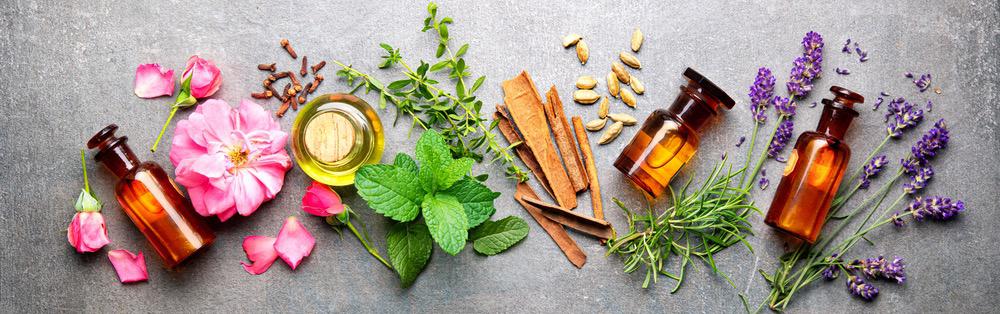
Natural soap colorants fall into four groups: clays, botanical powders, oil infusions, and natural micas. Clays and natural micas give the most reliable color in cold process soap. Botanicals and infusions offer warm, earthy shades with a little more variation from batch to batch, but that's a big part of their charm.
Cosmetic clays are the easiest place to start. They’re mineral based, they barely flinch at high pH, and they add a silky slip to your lather. Kaolin gives a soft cream, rose clay gives a dusty pink, French green clay brings a muted sage, and red clays land in warm brick and terra cotta tones. Remember that clays soak up water, so a little goes a long way.
Powdered roots, seeds, and plants give you the widest range of earthy tones. Annatto seed, madder root, and turmeric bring yellows, oranges, and corals. Cocoa powder adds rich browns, and activated charcoal takes you from pale gray to true black. This is where test batches get exciting, since one powder can look completely different depending on how much you use and how you add it.
Infusing is a savvy trick for smooth, speckle free color. You steep a botanical in one of your recipe oils, strain it, and use that tinted oil as part of your oil weight. Calendula and Chamomile are maker favorites here. A warm infusion takes a few hours over very low heat, or you can let a jar sit in a sunny window for about two weeks.
Mica is a mineral with a natural shimmer. Natural micas are coated with mineral pigments such as iron oxides, which gives you brighter shades and a soft sparkle that clays and botanicals can’t deliver. Check each product page for cold process notes, because a few shades can shift in high pH soap batter.
What Color Each Natural Colorant Gives
Use this chart as your starting palette. Amounts are per pound of oils (PPO) in your recipe, and the stability rating shows how each colorant performs in cold process soap.
These are starting points, not rules. Your oils, water amount, and whether your soap goes through gel phase will all nudge the final shade.
How to Add Natural Colorants
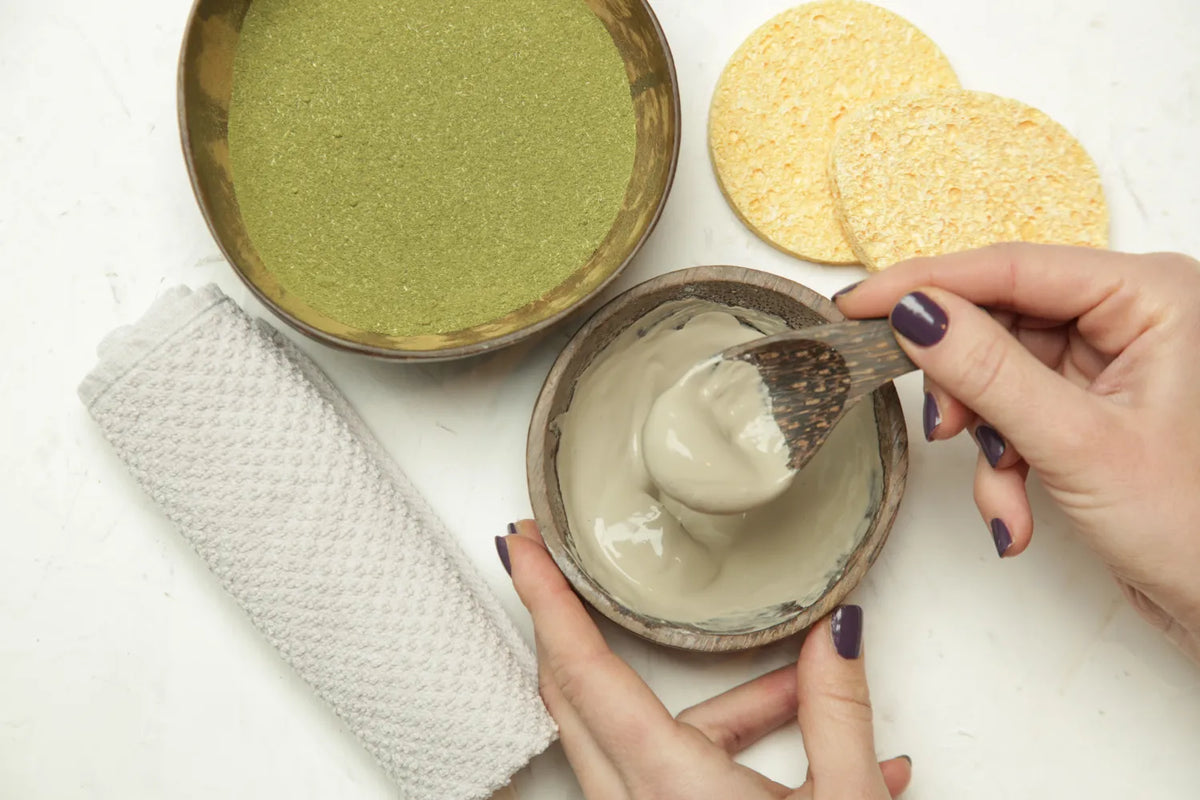
To add natural colorants to soap, disperse each powder in a small amount of oil or water first, then stir it into your batter at light trace. Pre-mixing breaks up clumps, so you get even color instead of specks. Clays mix best in water, while most botanicals and charcoal mix best in oil.
Here’s the step-by-step that works for most natural colorants:
- Measure by oil weight. Use the chart above and jot down exactly how much you used. Your notes turn one lucky batch into a shade you can repeat.
- Disperse before you add. Stir each teaspoon of colorant into about a tablespoon of liquid. For clays, borrow distilled water from your recipe total. For botanicals and charcoal, use a light oil from your recipe. A mini frother makes this quick and clump free.
- Add at light trace. Pour your dispersed color into the batter and blend with your stick blender or spatula. Clays can thicken batter slightly, so work at a thin trace if you plan swirls.
- Use infusions with your oils. Weigh infused oil as part of your recipe and add it before the lye solution. Your color is built right in.
- Decide on gel phase. Insulating your mold to encourage gel deepens and brightens most natural colors. Skipping gel gives softer, pastel tones.
Quick Fixes for Common Color Hiccups
- Specks or streaks: Your powder wasn’t fully dispersed. Blend it longer with a mini frother, or switch to an oil infusion next time.
- Color looks too pale: Increase by 1/4 teaspoon PPO per test batch. Natural shades build gradually, so small steps keep you in control.
- Brown lather or tinted washcloths: You used too much. Most colorants bleed above about 1 tablespoon PPO, so dial back.
- Muddy swirls: Mix each color into its own portion of batter and pour at thin trace so your lines stay crisp.
Natural colorants still meet lye, so keep your gloves and goggles on. Brush up on lye safety before your first color experiment.
Colors That Hold vs. Morph in Cold Process
Cold process soap batter sits around pH 10 to 11 while it saponifies, and that high pH changes some natural colorants. Clays, charcoal, cocoa, and annatto hold their color well. Beetroot, spirulina, and most dried flower petals tend to morph or fade, often to tan or brown.
Your Reliable Shades
- Clays stay true from pour to cure, making them perfect for layers and swirls.
- Activated charcoal and cocoa give dependable grays, blacks, and browns.
- Annatto delivers sunny yellow and orange that stays put.
- Calendula petals are a rare petal that keeps its golden color on top of bars.
Shades to Skip or Test First
- Beetroot gives a gorgeous pink batter that usually turns tan by cure.
- Spirulina and green herbs start bright and drift toward olive or brown.
- Hibiscus and lavender buds tend to brown inside the bar.
Keep Your Colors Looking Fresh
Cure and store finished bars away from direct sunlight, which fades botanicals fastest. Pair a shifting botanical with a stable clay for a stronger base color. Also check your scent: vanilla content in fragrance turns soap tan to brown as it cures, so plan your design around it. Browse our fragrance oils for soap for vanilla content notes, or pick up tips on scenting your soap with essential oils.
Frequently Asked Questions
How do you color soap naturally?
Color soap naturally by using clays, botanical powders, oil infusions, or natural micas in place of synthetic dyes. Disperse your colorant in a little oil or water, then blend it into your batter at light trace. Start with about 1 teaspoon per pound of oils for clays and adjust from there.
What natural colorants work in cold process?
Clays, activated charcoal, cocoa powder, annatto seed, and natural micas perform best in cold process soap because they handle high pH well. Madder root, turmeric, and alkanet also work but can shift in shade. Beetroot and spirulina usually morph or fade, so save them for a small test batch first.
Does natural soap color fade?
Some natural soap colors fade, especially botanicals like turmeric, spirulina, and many flower petals. Light exposure speeds up fading, so cure and store bars out of direct sun. Clays, charcoal, and natural micas are the most fade resistant choices when you want a shade that lasts from first cut to final bar.
Can you use clay to color soap?
Yes. Clay is one of the easiest ways to color soap naturally. Kaolin, rose, French green, red, and rhassoul clays give soft whites, pinks, greens, reds, and browns that hold through cold process. Mix about 1 teaspoon per pound of oils into distilled water first, then add it at light trace.
Build Your Natural Palette
The best way to find your signature shade is to play. Mix up a few small test batches, compare them side by side after cure, and keep the combinations that make you smile. Once your colors are dialed in, pair them with scents from our fragrance oils collection for bars that look as good as they smell.
Ready to start mixing? Shop natural soap colorants and find clays, botanicals, and natural micas for your next batch.