Lye Safety: Never Add Water to Lye
Lye is the one ingredient every scratch soap maker learns to respect, and handling it safely comes down to a short list of habits you can master in a single afternoon. Lye, also called sodium hydroxide, is caustic, so it can burn skin and damage eyes. The rule that matters most is to always add lye to water, never water to lye. Follow that, gear up, and you can mix lye solution with confidence.
This guide covers what lye is, why it deserves your attention, how to set up a safe lye station, and exactly what to do if something spills. Hazard and first aid details come from the sodium hydroxide safety data sheet (SDS), the CDC's NIOSH guidance, and MedlinePlus from the National Library of Medicine. Bookmark it and pull it up before every batch.
What Is Lye and Why Does Soap Need It?
Lye is the common name for sodium hydroxide (NaOH), a strong alkali sold as small white beads, flakes, or granules. Soap makers use it because true soap can't exist without it.
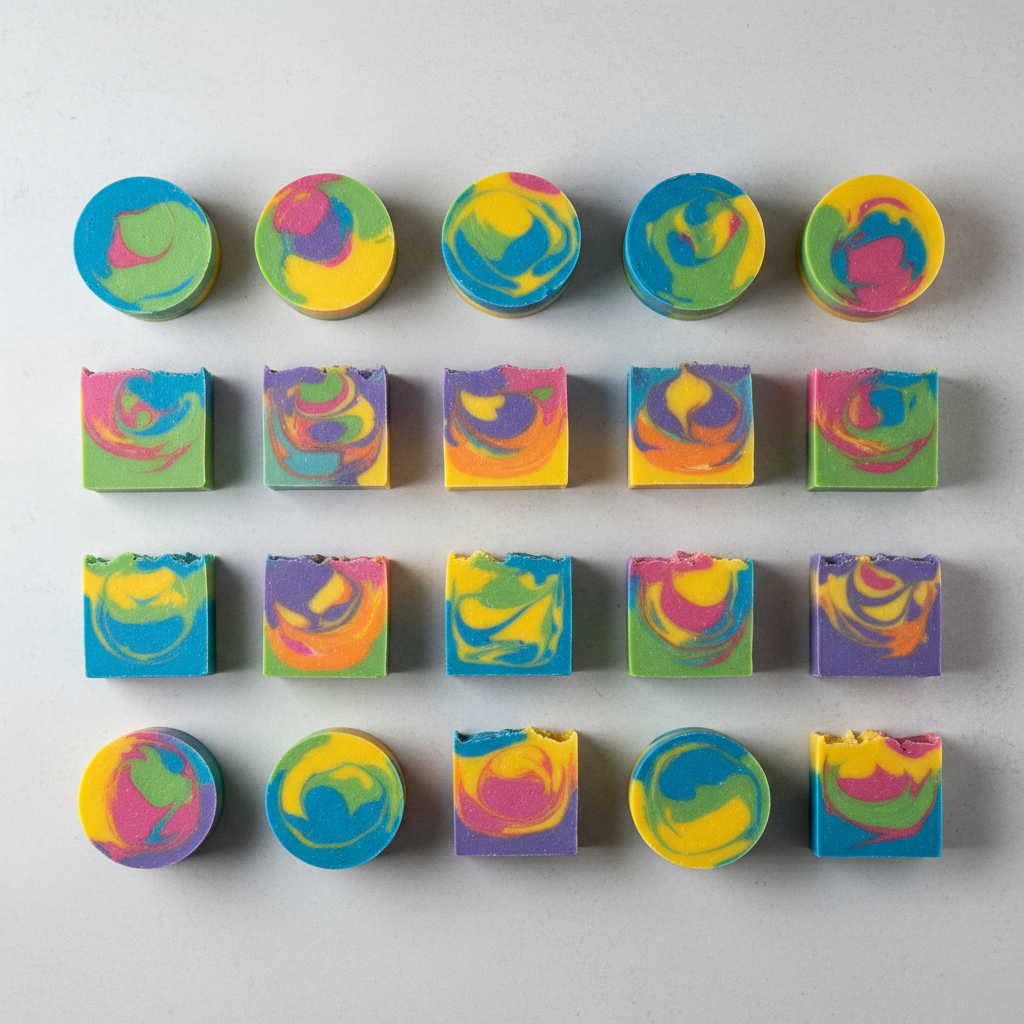
Here's the science in one line: when lye solution meets fats and oils, a reaction called saponification turns them into soap and glycerin. Every handmade bar, from a simple olive oil soap to a swirled showpiece, started with lye.
A few quick things worth knowing:
- Bar soap uses sodium hydroxide. Liquid soap uses potassium hydroxide (KOH), a close cousin that calls for the same care.
- Purity matters. High purity sodium hydroxide gives you predictable results. Drain cleaners often contain added ingredients that have no place in your soap.
- Melt and pour skips the lye step. Melt and pour bases have already been saponified, so you never handle lye with them. They're a great way to play with scent and color while you build up to scratch soap.
The oils you pick shape your bar's lather, hardness, and feel. Our guide to carrier oils in soap shows how each one behaves in a recipe.
Is Lye Dangerous?
Lye is dangerous when it's handled carelessly, and that's exactly why a few simple habits make all the difference. Lye (sodium hydroxide) is corrosive and can cause serious chemical burns to skin and permanent eye damage. It also releases irritating fumes when it first hits water. Handle it with splash goggles, chemical-resistant gloves, long sleeves, and good ventilation, and keep it away from children and pets.
Here's what the safety data tells us:
- Skin: A lye burn may not sting right away, so a splash can seem harmless at first. Rinse anyway. MedlinePlus lists burns and deep tissue damage among the possible effects.
- Eyes: This is the big one. A single bead or droplet can cause severe pain and vision loss, which is why goggles are nonnegotiable.
- Fumes: For the first minute or two of mixing, the solution gives off vapor that irritates your nose, throat, and lungs. NIOSH notes irritation of the eyes, skin, and mucous membranes.
- Heat: Lye and water react to create heat. A typical soap batch solution can climb close to 200°F within moments.
- Metals: NIOSH lists aluminum, tin, and zinc as incompatible with sodium hydroxide. Aluminum reacts and gives off flammable hydrogen gas, so keep those pots out of your soap kitchen.
Respect, not fear, is the right mindset. Makers mix lye safely every day because they follow the same routine every single time.
Always Add Lye to Water, Never Water to Lye
Pouring water onto a pile of dry lye means a little water meets a lot of lye all at once. That spot can flash boil and erupt, spraying caustic solution out of the container and onto you.
Pouring lye into water works the other way around. A larger volume of water soaks up the heat from a slow, steady stream of lye, so the temperature rises in a controlled way. An easy way to remember it: snow falls on the lake. The lye (snow) always falls into the water (lake).
How to Mix Lye Solution Step by Step
- Weigh your distilled water into a heat-safe container. Minerals in tap water can affect your finished soap.
- Weigh your lye separately in a dry container. Always measure by weight on a digital scale, never by volume.
- Move to your ventilated spot, then slowly pour the lye into the water while stirring.
- Stir until every bead dissolves. Undissolved lye can settle at the bottom and leave caustic pockets in your bars.
- Set the solution somewhere stable, labeled, and out of reach while it cools.
Maker tip: Chilling your distilled water, or freezing it into cubes, keeps the temperature lower and cuts down on fumes. The same trick protects milk, beer, and other sugary liquids from scorching. You still add lye to the frozen liquid, never the other way around.
The Lye Safety Rules for Every Batch
Gear Up First
- Splash goggles, not everyday glasses, which leave the sides open
- Chemical-resistant gloves, such as nitrile or rubber
- Long sleeves, long pants, and closed-toe shoes
- An apron for one more layer between you and a splash
Find everything in one place with our safety goggles and gloves.
Set Up Your Lye Station
- Ventilation: Mix by an open window, under a vented range hood, or outdoors.
- Heat-safe containers: Use stainless steel or sturdy #5 polypropylene (PP) plastic. Skip aluminum entirely, and skip glass, which can weaken and crack after repeated heating.
- Dedicated tools: Once a pitcher or spatula touches lye, it stays in your soap kit for good.
- A clear counter: No food, drinks, or clutter nearby.
- Water within reach: Work a few steps from a sink so you can flush a splash instantly.
Keep Kids and Pets Out
Lye beads look a lot like salt or candy. Mix when little ones are asleep or out of the house, keep pets in another room, and never leave lye or lye solution unattended.
Measure Precisely
Run every recipe through a lye calculator, even ones you've made before, and weigh in grams for accuracy. Too much lye makes a harsh bar, while a precise measurement keeps your soap gentle and consistent. Shop high purity lye (sodium hydroxide) for reliable results.
Stay Focused
Put the phone down while you mix. Most lye mishaps happen during a quick distraction, not during the careful parts.
How to Store Lye Safely
- Keep it airtight. Lye pulls moisture from the air, which makes it clump and throws off your measurements. Reseal the container right after use.
- Label it clearly. Mark it "LYE: CAUSTIC, POISON" in big letters.
- Store it high and locked. Keep it away from kids, pets, acids, and food.
- Use the original container. Never move lye into a food or drink container.
- Choose a cool, dry spot. A steamy bathroom or damp basement is the wrong place.
Lye Spill and Burn First Aid
If lye touches your skin or eyes, flush the area with plenty of cool running water for at least 15 minutes, remove any contaminated clothing, and get medical help for eye exposure or a serious burn. For guidance, call Poison Help at 1-800-222-1222 (US). It's free and open 24/7.
- On skin: Pull off contaminated gloves or clothing and rinse for at least 15 minutes. Seek care if pain, redness, or blistering continues.
- In eyes: Flush immediately while holding the eyelid open, remove contact lenses if they come out easily, and keep rinsing. Call 911 or head to the emergency room. Never wait to see how it feels.
- If swallowed: Call Poison Help or 911 right away. Don't induce vomiting unless poison control or a doctor tells you to.
- Fumes inhaled: Move to fresh air. Get medical help if coughing or trouble breathing continues.
- Spills on surfaces: With gloves and goggles on, sweep dry beads into a dedicated dustpan. Blot liquid with paper towels, wipe the area several times with damp cloths, and bag everything for the trash.
Myth Buster: Vinegar on a Lye Burn
Myth: Vinegar neutralizes lye on your skin.
Fact: Plain running water is the right first aid. Vinegar is an acid, and mixing an acid with an alkali on your skin sets off another reaction that creates more heat. Reaching for the bottle also costs you precious seconds of flushing. Save vinegar for wiping counters after cleanup, never for skin or eyes.
Printable Lye Safety Checklist
☐ Goggles, gloves, and long sleeves on
☐ Window open or vent running
☐ Kids and pets out of the room
☐ Water and lye weighed separately on a digital scale
☐ Heat-safe, non-aluminum container ready
☐ Lye added to water slowly, while stirring
☐ Solution labeled and cooling out of reach
☐ Sink clear for instant flushing
☐ Poison Help number posted: 1-800-222-1222
Is There Lye in Finished Soap?
A properly made and cured bar of soap contains no free lye. During saponification, lye reacts with your oils and is used up, turning into soap and glycerin. Most recipes also include a small superfat, extra oil beyond what the lye can convert, so nothing caustic is left in the bar.
Fresh soap is a different story. Most of the reaction wraps up within a day or two, so wear gloves when you unmold and cut. A four to six week cure then gives you a harder, milder, longer-lasting bar.
Once your lye routine feels like second nature, the creative fun takes over. Explore fragrance oils for soap, find the best essential oils for soap,try coloring your soap with botanicals and clays, or dig into our full guide to fragrance oils.
Lye Safety FAQ
Is lye dangerous?
Lye is dangerous if handled carelessly. Sodium hydroxide is corrosive and can cause chemical burns, serious eye damage, and throat irritation from its fumes. With splash goggles, gloves, long sleeves, ventilation, and a careful routine, soap makers handle it safely every day. Keep it locked away from children and pets.
Do you add lye to water or water to lye?
Always add lye to water, never water to lye. When water is poured onto dry lye, a small amount of water reacts with a large amount of lye at once and can erupt. Adding lye slowly to water lets the water absorb the heat for a safer, controlled mix.
Is there lye in finished soap?
No. In a properly formulated and cured soap, saponification uses up all the lye, turning it and your oils into soap and glycerin. A small superfat adds extra insurance. Fresh, uncured soap can still be caustic for a day or two, so wear gloves when cutting new bars.
What safety gear do I need for lye?
You need splash goggles, chemical-resistant gloves such as nitrile, long sleeves, long pants, and closed-toe shoes. An apron adds another layer. Pair your gear with a ventilated workspace, heat-safe stainless steel or #5 PP containers, a digital scale, and a sink close by for flushing splashes.
Ready to Make Your Next Batch?
Safe habits free you up to focus on the good stuff: scent, color, swirls, and bars you're proud to share. Stock up on high purity, safety goggles and gloves, and all your soap-making at Nature's Garden, then go create something you love.
Sources
- Nature's Garden Sodium Hydroxide Safety Data Sheet (SDS)