The Best Fragrance Oils for Soap Making
Jump to
- What Makes a Fragrance Oil Good for Soap?
- Best Soap Fragrance Oils by Scent Family
- How Much Fragrance Oil to Use in Soap
- Fragrances That Misbehave (and How to Handle Them)
- Frequently Asked Questions
One of the most fun, and most important, parts of making soap is choosing the right fragrance oil. It’s important to remember that not every fragrance oil is designed for cold process soap, and the difference becomes obvious after your bars have finished curing. Some scents stay strong from the day you pour until the day you use the bar. Others fade, discolor, or speed up trace before you're ready.
This guide covers what makes a fragrance oil a good fit for soap making, the scent families makers use most often, how much fragrance oil to use, and a few common fragrance behaviors to watch for along the way.
If you're new to fragrance oils, start with our fragrance oils guide for a complete overview of how fragrance oils work across candles, soap, lotions, diffusers, and more.
Every fragrance oil we recommend for soap has been tested in real batches. At Nature’s Garden, we don't just smell it in the bottle, we make soap with it. That's how we identify details like acceleration, discoloration, and scent retention, so you know what to expect before you start your next batch.
What Makes a Fragrance Oil Good for Soap?
Cold process soap is a demanding environment, which is why not every fragrance oil performs the same way. A good soap fragrance oil should do three things:
-
Be tested for cold process soap. A fragrance that performs well in candles isn't automatically a good choice for soap. Always look for fragrance oils that have been tested in the application you're using.
-
Hold its scent through the cure. The best soap fragrance oils still smell great after several weeks of curing, not just when they're first mixed into the batter.
-
Include clear usage guidelines. Every fragrance oil should have an IFRA Certificate that outlines the maximum safe usage rate for soap and other applications. See our fragrance load & safety guide for the details. (Add link when published.)
At Nature's Garden, we also share testing notes for many of our fragrance oils, including details like acceleration and discoloration. Knowing how a fragrance behaves before you pour gives you a better chance of getting the results you're after.
Keep in mind that your recipe matters, too. Changing your oils, water amount, temperatures, or fragrance load can affect how a fragrance behaves, so it's always worth testing a new combination in a small batch before scaling up.
Best Soap Fragrance Oils by Scent Family
One of the easiest ways to shop for fragrance oils is by scent family.
If you love warm vanilla scents, chances are you'll enjoy other warm, cozy fragrances too. The same goes for fresh citrus, soft florals, or fruity blends. Starting with a scent family makes it much easier to build a soap collection that feels cohesive.
Floral
Floral fragrances never go out of style. Rose, jasmine, lavender, lilac, and peony remain favorites year after year, especially in gift sets, spa collections, and everyday bath products.
Fresh & Clean
Cotton, linen, rain, ocean, and citrus-inspired fragrances are bright, familiar, and appeal to a wide range of people.
Warm & Cozy
Vanilla, amber, sandalwood, cashmere, and spice-inspired fragrances shine during the cooler months, but many have become year-round favorites. Keep in mind that fragrances containing vanillin may naturally discolor soap over time, so check the product notes before you pour.
Fruity
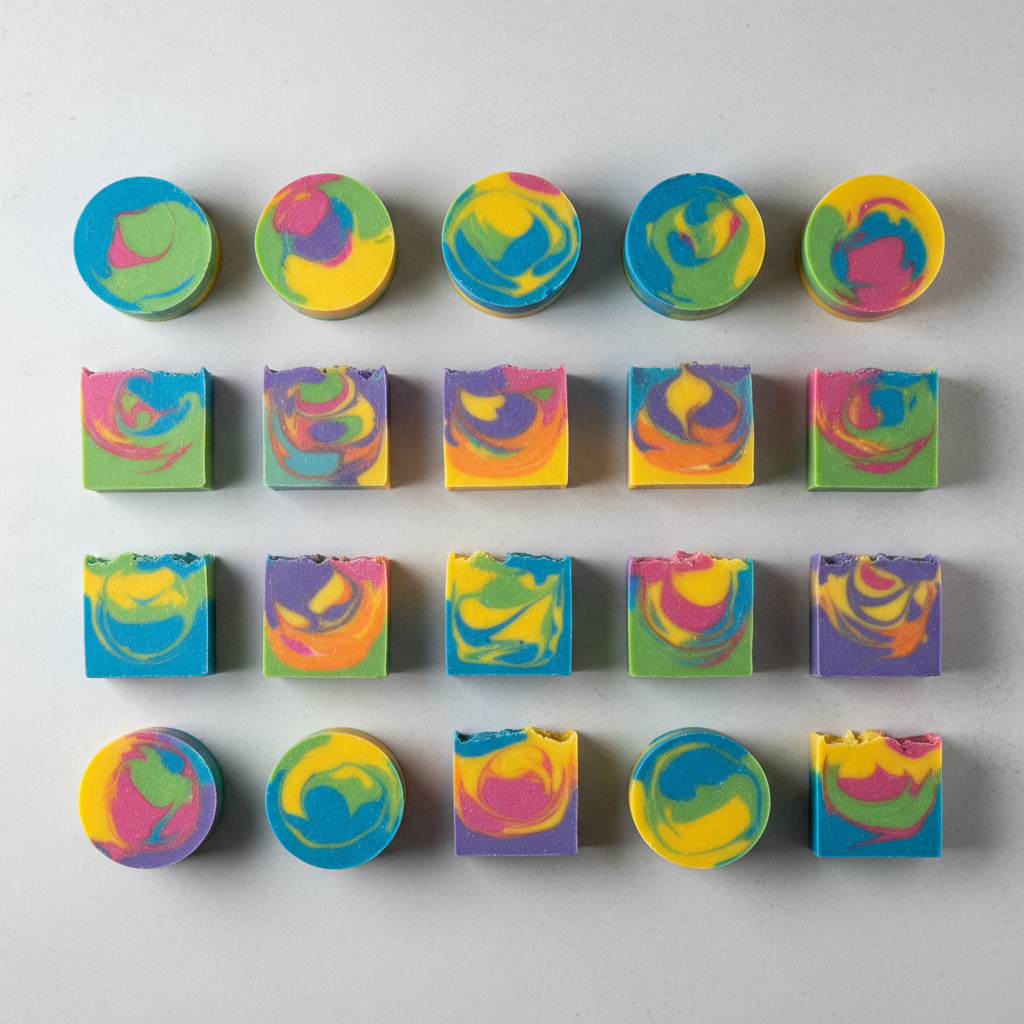
Apple, peach, strawberry, mango, pineapple, and other fruit-forward fragrances add a playful touch to any soap collection. They're especially popular in spring and summer and pair beautifully with bright colors and fun swirl designs.
Not sure where to start? Browse our collection of Soap-Safe Fragrance Oils or shop by scent family to discover your next favorite.
How Much Fragrance Oil to Use in Soap
Using the right amount of fragrance oil is just as important as choosing the right fragrance.
Every fragrance oil has its own maximum usage rate for soap, which is listed on its IFRA Certificate. While many soap-safe fragrances fall within a similar range, there's no single percentage that's right for every scent.
A few simple guidelines will help you get consistent results:
-
Calculate fragrance based on your total oil weight. This is the standard method for cold process soap.
-
Always check the IFRA Certificate . Even if you've used a fragrance before, recheck the usage limits.
-
Measure by weight, not volume. A digital scale is the easiest way to get accurate, repeatable results.
-
Stay within the recommended usage rate. More fragrance doesn't always mean a stronger-smelling bar, and using too much can affect how your soap performs.
Need help with the math? Our guide to fragrance load & safety walks through fragrance calculations step by step, with examples for common batch sizes. (Add link when published.)
Fragrances That Misbehave (and How to Handle Them)
Even the best fragrance oils can behave differently in cold process soap. Two of the most common behaviors are acceleration and discoloration.
Neither is necessarily a reason to avoid a fragrance. The key is knowing what to expect before you start making.
Acceleration
Acceleration happens when a fragrance oil causes soap batter to reach trace more quickly than expected. Some floral, spice, and vanilla fragrances are more likely to do this than others.
If you're working with a fragrance that's known to accelerate:
-
Have your mold and colors ready before adding the fragrance.
-
Soap at lower temperatures when your recipe allows.
-
Choose a simpler design if you know the batter will move quickly.
A fragrance that accelerates isn't a bad fragrance. It simply calls for a different approach.
Discoloration
Some fragrance oils naturally darken soap during the curing process. This is usually caused by ingredients like vanillin and can range from a light cream color to a rich brown.
Discoloration is cosmetic. It doesn't affect the safety or quality of the finished soap, but it's something to consider when planning your design.
Many makers embrace the color change by pairing vanilla-heavy fragrances with warm creams, tans, chocolates, and other earthy tones. Knowing how a fragrance behaves ahead of time makes it much easier to design around it, especially with help from our coloring your soap guide.
At Nature's Garden, we include testing notes on product pages whenever we've observed behaviors like acceleration or discoloration, helping you choose the right fragrance for your project.
Frequently Asked Questions
What fragrance oil is best for soap?
The best fragrance oil for soap is one that's been tested in cold process soap and approved for skin-safe use. Look for fragrance oils with documented testing notes, including acceleration and discoloration, so you know how they'll behave before you make a batch.
How much fragrance oil should I use per pound of soap?
There's no single amount that works for every fragrance oil. Always calculate fragrance based on your total oil weight, not your finished batch weight, and follow the maximum usage rate listed on the fragrance's IFRA Certificate. Recheck that rate even for a fragrance you've used before, since usage limits can change.
Why did my soap discolor?
Many fragrance oils containing ingredients like vanillin naturally darken during the curing process. This discoloration is cosmetic and doesn't affect the safety or performance of the finished soap. Check the product page before you pour so you can plan your design accordingly.
Do fragrance oils survive cold process soap?
Many do—but only if they're formulated and tested for cold process soap. A fragrance that's perfect for candles or room sprays may fade or behave differently in soap, which is why it's important to choose fragrance oils that have been tested for the application you're using.
Find Your Next Soap Fragrance
Every soap maker has a few fragrances that have become their absolute favorites. The fun is discovering which ones become yours.
Start with a scent family you already love, try a few new fragrances, and don't be afraid to experiment. Every batch teaches you something new, and every new fragrance has the potential to become your next favorite.
Browse our full collection of Soap-Safe Fragrance Oils (Insert current product URL.), explore fragrances by scent family, and find the perfect scent for your next batch. Happy making!