


Articles
Article
Spearmint Leaf Benefits
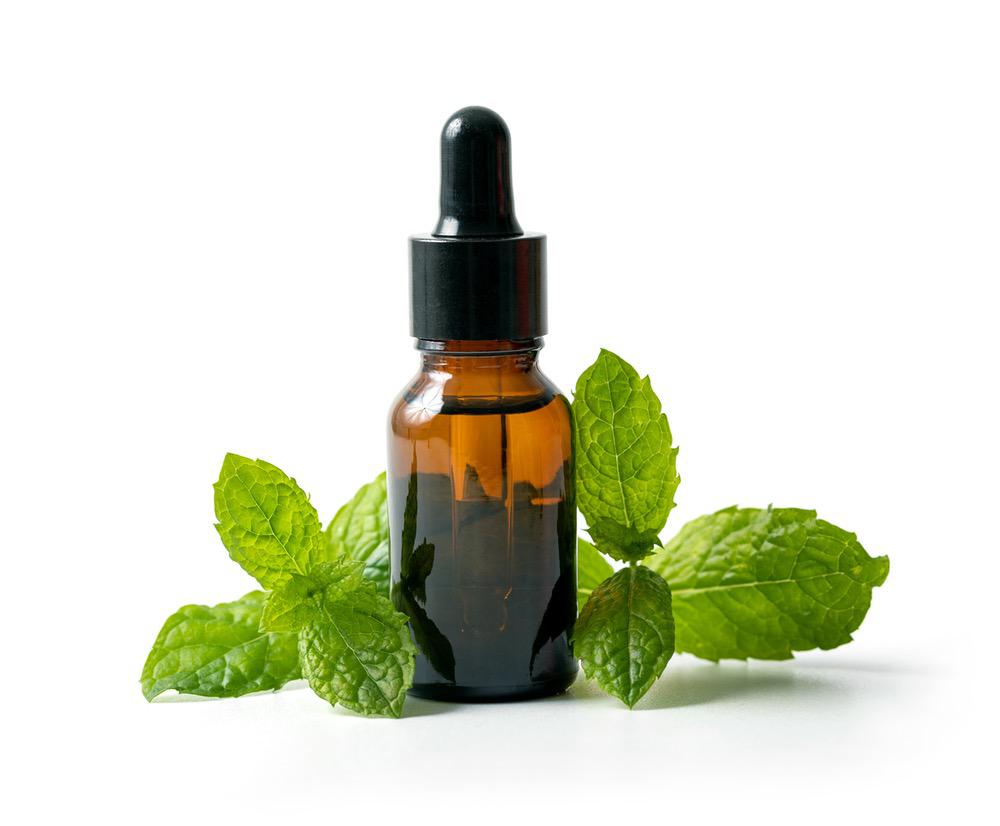
There are many beneficial properties in spearmint leaves that you can use for your whole body. There is spearmint that you can use to create food and herbal teas. Also, there are herbs like ours that you can use to nourish your body from the outside in. Further, there are tons of beneficial properties that can be utilized. Whether you are looking for a natural remedy for a cold or just love the aroma of spearmint, you are sure to enjoy this cosmetic herb. The Natures Garden Spearmint Leaf Cut and Sifted herb is perfect for creating herbal spearmint soap and so many more wholesale bath and body products. So, try out some of these spearmint leaf benefits in your own natural bath and body recipes.Spearmint Leaf Benefits: Growing ConditionsWhile spearmint can be grown either in a garden outside or in a planter inside, you will likely what to plant it in a pot This mint plant can grow quickly and possibly over take other plants in a garden. Further, this plant is considered invasive in many areas outside of the Mediterranean and could harm the local environment. The root system of a mint plant is dense and can stretch out many feet and pop up all over the place. So, proving borders for you plant is a safe way to prevent your delicious mint from becoming a pesky weed. Many gardeners will use a hanging basket or separate containers for their mint.Since spearmint is popular for cooking, it is a perfect plant to add to the herb garden anyways. The plant will prosper in partial shade and a pH of 6.5 or 7. Also, the spearmint plant requires moist soil that drains well. Once your plant has sprouted, you can water the plant one or two times a week, just be careful not to water too often. It is believed that infrequent, thorough waters are better than a shallow watering that occurs more often. Also, you can fertilize the soil but be care to avoid getting the fertilizer on the leaves. You could dilute the fertilizer to help reduce or eliminate the possibility of burning your spearmint leaves.Spearmint Leaf Benefits: Industry UsesSpearmint is great herb with a bright, minty aroma and some wonderful properties for the body. Both the aroma and natural properties of this mint provide benefits for the body. You can use spearmint in natural home remedies for feeling sick. Also, you can use this wholesale mint herb to create bath and body products that care for your skin and hair as well as help to relieve congestion. Plus, spearmint is perfect for adding flavor to delicious foods, like ice cream or candy. So, there are many ways to use the beneficial properties of this herb.Spearmint Leaf Benefits: Bath and BodyAlso, this wonderful cosmetic herb has many wonderful properties for your body. These properties are perfect for providing you skin and hair with wonderful benefits. Plus, the aromatic scent of spearmint is useful for your respiratory system. So, this is an especially great herb for anyone that is sick or has allergies. However, healthy people will enjoy the properties of this herb just as much! So, check out all the properties that the spearmint leaves has for your body.Due to this herb's antibacterial, anti-inflammatory, and anti fungal properties it is great for creating effective bars of soap. Further, the antibacterial properties are beneficial for treating and naturally disinfecting minor cuts and scrapes. Also, many have found that spearmint was useful for some skin conditions. Another bonus is that the spearmint herb has a cooling and refreshing feeling for the skin. Some people have found that spearmint was effective for treating their acne. So, this is a perfect ingredient for making spearmint soap or even lotion recipes. Also, you can include this cosmetic herb to create cleansing hair care products. This herb would be perfect for a natural lice remedy recipe. Plus, the soothing properties are useful for reducing the irritation of an itchy, dry scalp.Spearmint Leaf Benefits: How to Add Herbs to RecipesIf you are interested in adding this cosmetic herb to your homemade bath and body products, there are a few ways you can do it. First, you can add the whole herbs to the recipe. This can be especially useful for creating a light exfoliation in your final product. However, this isn't the only way to include this natural herb. Anyone that wants a smooth product can use a teabag to hold the herb and soak them in the ingredients. If your recipe uses water, then you can create a tea. Similarly, you can soak the herbal tea bag in your melting oils for recipes that don't use any water. This will allow the beneficial properties to escape form the herb to incorporate into your natural recipe.Spearmint Leaf Benefits: Natures Garden RecipesWe included this wonderful herb in our own bath bomb supplies wholesale to create the Sinus Relief Bath Bomb Recipe. This recipe uses both peppermint leaf and spearmint leaf to enhance the scent of our Sinus Relief Fragrance Oil. This fragrance oil has a cool, crisp blend of camphor, eucalyptus, and mint that makes it perfect for clearing your sinuses. In fact, it smells just like Vick's Vapor Rub! So, the mint herbs blended perfectly to add a stronger mint note to the fantastic aroma. Spearmint Leaf Benefits: Medicinal UsesNot only is spearmint enjoyed for its flavor, but it has some medicinal properties that many people enjoy. Often, people will create a tea with spearmint to benefit from these properties. This will allow the body take in a larger amount without too much extra other stuff. But, you can also add spearmint to a sweet tea or even food. So, there are plenty of options for you to get these beneficial properties into your system. Check out all the potential benefits for you body before you look into the different types of food that you can create!First, many people use spearmint on its own or in teas to settle their stomachs. This mint herb is useful for soothing your stomach during digestion and dealing with indigestion. Further, some studies have shown that spearmint can be used to reduce nausea due to illness, morning sickness, or even motion sickness. Not only will spearmint help to calm your sick stomach, but it has been known to be beneficial for treating respiratory problems, like colds. Plus, there is evidence that the aroma of spearmint is useful for allergies and asthma.Spearmint Leaf Benefits: Spearmint Tea HormonesAdditionally, spearmint has been found to help regulate the hormones that may throw our periods out of wack. So, any ladies out there that are frustrated with irregular periods may want to give spearmint a try. Not only do some people find that this herb is able to help stabilize irregular periods, but some women have been able to solve their issue of early menopause. Further, many women have found spearmint tea useful for relieving symptoms of Polycystic Ovarian Syndrome. The spearmint has been known to help balance the excess androgens produced by the body by suppressing testosterone a bit. So, this may be useful for keeping the hormone imbalances in check and remedying the symptoms.Spearmint Leaf Benefits: Food and BeverageSpearmint is one of the most beloved types of mint, as it has cool and crisp notes a peppermint with a sweeter, smoother taste. Since spearmint is about as popular as peppermint, it has been incorporated into quite a lot of different types of food. First, spearmint has been used to flavor different candies and desserts, which is perfect for achieving a great, mint taste that is sweet and delicious. If you are looking for a yummy dessert recipe to try using fresh spearmint at home, then check out Martha Stewart's Fresh Spearmint Ice Cream recipe! This ice cream recipe uses natural ingredients to create a scrumptious dessert without ever leaving the comfort of home.Also, spearmint is used to create teas or naturally flavor drinks like sweet tea. Although many people prepare spearmint this way to enjoy its medicinal properties, as it is simple to make, it is actually tasty, too. Plus, spearmint is even occasionally used as a garnish or a flavoring in certain recipes. So, there are tons of ways that spearmint has been integrated into our foods. Further, spearmint is used in gum, mouth wash. and tooth paste. The spearmint is added both the cool, refreshing flavor and the benefits it can provide for your mouth. Spearmint has antibacterial and antimicrobial properties that are useful for killing bad bacteria in your mouth. So, spearmint will keep bad breath away as well as help to promote healthy teeth and gums.Spearmint Leaf Benefits: OtherAlso, you can use spearmint to create a homemade mosquito repellent recipe, as it has been known to repel various insects. So, you can create a natural lotion recipe that is both loving for the skin and repels pesky bugs. Also, it thought that the herb may repel other pests, like moths, flies, and ants. Although you may not need to repel these bugs from swarming you, the spearmint can be useful for creating natural bug repellent for your home.Additionally, some people believe that the aroma of spearmint has relaxing properties that are useful for dealing with some negative emotions. You can use the oil to relieve stress. It is said that spearmint helps to relax you by reducing headaches and by helping to promote overall brain health. Also, some have found that this was able to help with anxiety and depression. Plus, using spearmint as aroma therapy is thought to improve alertness too. This is useful for periods of heavy work, or feeling tired, and lose of motivation. So, you can use this herb to combat the stresses of being overworked.Spearmint Leaf Benefits: History of SpearmintSpearmint originally began growing in Mediterranean. It was initially used to scent bath water, clear the voice, cure hiccups, and more. Plus, it was used as an aphrodisiac in Greece. Later, it spread to other areas in Europe, including Great Britain. Then, spearmint was brought to American by the pilgrims for aromatic and herbal purposes. Although this plant is useful for us and has many benefits, spearmint is considered an invasive species in many places outside of the Mediterranean.Spearmint Leaf Benefits: Ask Us Your QuestionsWe hope that you enjoyed this cosmetic blog on spearmint and learned something about its uses and benefits. You can use this herb in your natural bath and body products and enjoy the wonderful benefits. Plus, you can mix it with other Herbs and Spices from our website. If you have any questions about using this herb, then please reach out to us. We are available on the Natures Garden Facebook page and you can find us on Twitter or Instagram using @ngscents. Also, feel free to share your opinions on this herbs and your favorite recipe to include spearmint in. Good luck with your wonderful recipes and we hope to hear from you soon.Spearmint Leaf Benefits: Reminder About Our HerbsNote: Natures Garden sells herbs, like our Spearmint Leaf Cut & Sifted, for external use only. Although some people use spearmint leaves in food, we do not sell our herbs as food items. So, the information that we provide about our herbs is only for educational purposes. We do not intend for you to use this information to diagnose, cure, treat, or prevent any disease. The Food and Drug Administration has not evaluated any of this information. Make sure that you keep all herbs out of reach of children and pets. Also, pregnant and/or lactating women should take special care and attention when handling any of our herbs. Natures Garden accepts no responsibility (written or implied) for any products you make with our herbs. Also, all product testing is the responsibility of the customer.
Article
Types of Emulsifying Wax
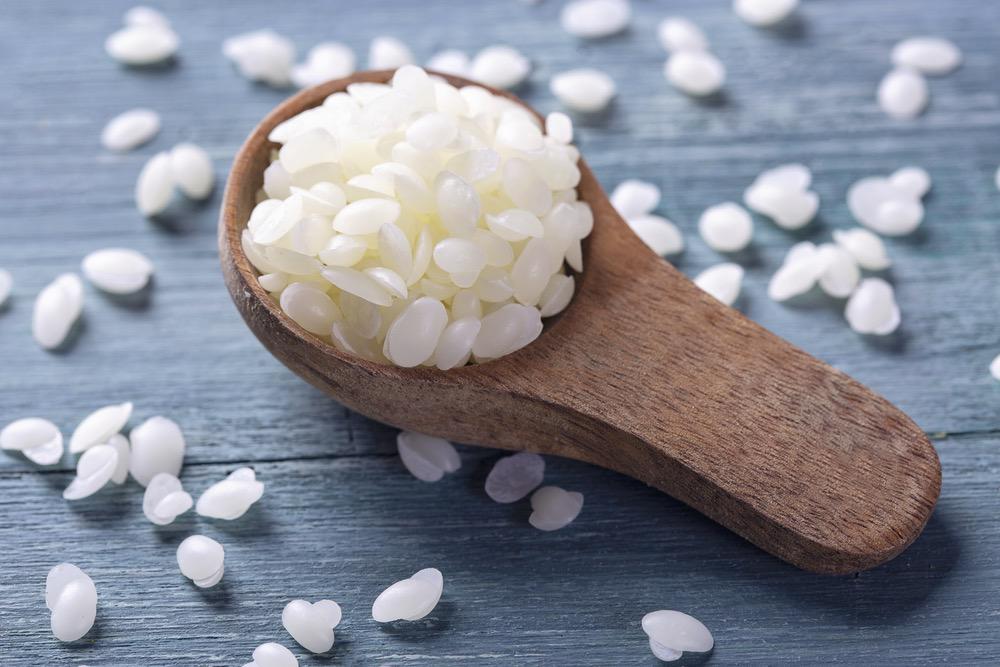
There are many different Types of Emulsifying Wax that you can use in your homemade cosmetic recipes. Each of these emulsifying agents are very important for creating products that combine luxurious oils with water. This is exactly what happens when the oils and water separate in a bottle of Italian Salad Dressing. While you can shake these ingredients together, they will separate again without an emulsifying agent. Although this works fine for salad dressings, nobody wants to blend their cosmetic products everything they use them! So, it is important to use one of the emulsifying agents to perfectly blend your oil and water together in your homemade products. If you would like to learn more about the emulsifying agents available at Natures Garden and what recipes you can create with them, then this is the blog for you!Types of Emulsifying Wax: BTMS 25 EmulsifierThe BTMS 25 Emulsifier, or Behentrimonium Methosulfate (and) Cetearyl Alcohol, is a natural emulsifying ingredient that is great for your homemade cosmetics. Not only is this product naturally derived from Colza Oil, but it is very conditioning and gentle for the skin, as well. So, this cosmetic product is perfect for creating creams, lotions, and conditioners that with provide a soft, moisturized feeling to the skin.Types of Emulsifying Wax: Cucumber Wasabi Cilantro Hair Conditioner RecipeOne of the many recipes that perfectly incorporates BTMS 25 Emulsifier is the Cucumber Wasabi Cilantro Hair Conditioner Recipe. You will love this hair recipe, as it conditions and strengthens your hair! Also, this lotion recipe has a refreshing spa-like scent that is strong and amazingly clean due to the Cucumber Wassabi Cilantro Fragrance Oil with notes of grapefruit and lime, with middle notes of fresh cucumber, guava, and passionfruit, and base notes of wasabi, cilantro, and fern.Types of Emulsifying Wax: Chamomile Light Lotion RecipeAnother recipe that the BTMS 25 Emulsifier is perfect for is our Chamomile Light Lotion Recipe. This light, moisturizing recipe allows you to create homemade lotion that is skin loving and moisturizing. Not only does this recipe use ingredients that are wonderful for the skin, but it is scented with the fresh, herbal aroma of our Chamomile Fragrance Oil. Types of Emulsifying Wax: Tropical Lotion RecipeAlso, you can use our BTMS 25 to create this fun Tropical Lotion Recipe. This lotion recipe uses oils and butters that will perfectly care for your skin. Plus, this recipe will include Papaya Dragon Fruit Fragrance Oil, which is a tropical fruitopia of juicy peaches, papaya, exotic dragon fruit and fresh island pineapple tweaked with nutty notes of almond. So, this recipe is delightfully tropical and perfectly nourishing!Types of Emulsifying Wax: Traditional Emulsifying WaxAlso, you can use the Traditional Emulsifying Wax to create some fantastic creations. This emulsifying wax is low odor, highly stable, and highly compatible, so this is sure to make some wonderful products. Plus, this cosmetic ingredient is perfect for creating emulsions in creams, body butters, conditioners, sunscreens, salves, and much more! This emulsifying agent is perfect for creating thick, luscious creams.Types of Emulsifying Wax: Wine Sugar Scrub RecipeOne great recipe that you can create with the Traditional Emulsifying Wax is the lovely Wine Sugar Scrub Recipe. This cosmetic recipe takes luxurious butters and oils and emulsifies them with real red wine to create a scrub that is unique and cares for your skin! Plus, this recipe includes the scent of the Christmas Cabernet Fragrance Oil, which blends beautifully with the scent of the wine.Types of Emulsifying Wax: Cocoa Dream Cream RecipeFurther, this Cocoa Dream Cream Recipe is another great recipe that perfectly includes the Silky Emulsifying Wax. This recipe blends thick, skin loving butters and oils with the scrumptious vanilla scent of Butter Brickle Fragrance Oil with notes of buttery, creamy vanilla. Together, this creates a truly fantastic body butter recipe that you are sure to adore!Types of Emulsifying Wax: Silky Emulsifying WaxAnother great ingredient for many homemade cosmetic recipes is the Silky Emulsifying Wax. This wonderful ingredient will perfectly emulsify your luscious ingredients to create cosmetics that are silky smooth and great for skin care. If you are looking for emulsifying wax for lip balm, then this is the perfect cosmetic ingredient for you! This emulsifying agent is great for creating all kinds of homemade makeup, lip balm, lotions, and hair care, and lotions.Types of Emulsifying Wax: Foaming Hibiscus Scrub RecipeOne luxurious cosmetic recipe that you can create with this ingredient is the Foaming Hibiscus Scrub Recipe. This homemade scrub recipe is a wonderful product that moisturizes with the lovely butters and oils. Also, this diy scrub will care for your skin with the skin loving hibiscus flower herb. Furthermore, this wonderful scrub recipe use the delicious aroma of the Hawaiian Sea Mist Fragrance Oil with fruity notes of orange, pineapple, peach and strawberry combined with floral nuances of hibiscus, jasmine and lavender that creates a perfect tropical blend that you will adore!Types of Emulsifying Wax: Shea Lotion with Herbal Infusion RecipeNext, we have a lotion recipe that is basically high-end and spa quality. Plus, this lotion perfectly incorporates the Silky Emulsifying Wax. Our Shea Lotion with Herbal Infusion Recipe has a blend of skin loving oils and herbs that are perfect for skin care products. Plus, this recipe includes the succulent aroma of Lemon, Grapefruit, Peach Nectar, Raspberry, Pink Tulip, Soft Jasmine, Magnolia, Wild Honeysuckle, and Sheer Musk. This free homemade recipe will nourish your skin as well as leave it feeling soft and smelling absolutely scrumptious.Types of Emulsifying Wax: Pampered Foot Scrub RecipePlus, you can use this emulsifying agent to create the Pampered Foot Scrub Recipe! This diy scrub recipe uses thick and luscious oils that are perfect for nourishing dry, cracked feet. Plus, this recipe includes the bright citrus aroma of our Tangerine Dreams Fragrance Oil. You feet are going to love this amazing foot scrub recipe.Types of Emulsifying Wax: Polysorbate 80Another emulsifying agent that you may want to include in your homemade cosmetics is the Polysorbate 80. This cosmetic ingredient is perfect for mixing even more oils into your recipes. One option is mixing in heavier oils, like olive oil or castor oil. But, this could be including a higher percentage of oils into your cosmetic recipe. This cosmetic ingredient would be very useful for creating body washes, hair creams, scrubs, and even more cosmetic oil rich recipes!Types of Emulsifying Wax: Green Tea Blooming Bath Oil RecipeThe Green Tea Blooming Bath Oil Recipe is a recipe that perfectly incorporates the oils of this cosmetic recipe. Not only does this emulsifier mix the skin loving oils into the recipe, but this ingredient blends the fragrance oil into the recipe. So, this bath oil will nourish your skin and the provide the true herbal scent of our warm Green Tea Fragrance Oil.Types of Emulsifying Wax: Chamomile Light Lotion RecipeAnother great cosmetic recipe that uses this emulsifying ingredient is the Chamomile Light Lotion Recipe. This lovely lotion recipe uses both Polysorbate 80 and BTMS to create the perfect blend of skin loving ingredients and the delightful notes of the Chamomile Fragrance Oil.Types of Emulsifying Wax: Polysorbate 20If you are looking to create a cosmetic product with a smaller amount of oils, then the Polysorbate 20 emulsifier will be perfect for you! This lovely cosmetic emulsifier is derived from natural vegetable sources and is able to blend something light, like a fragrance oil, into the rest of your product. So, every bit of your recipe will include the fantastic aroma of your favorite fragrance oils or light oils. This would be perfect for creating light lotions, body sprays, bath oils, bath bombs, and so much more!Types of Emulsifying Wax: Sexy Body Spray RecipeSo, you can use this emulsifying agent to create the beautifully scented Sexy Body Spray Recipe. This emulsifying agent perfectly blends the vibrant aroma of our Extremely Sexy for WOMEN Fragrance Oil into this feminine body spray. So, you will have a sexy diy perfume with gorgeous notes of cactus flower and clementine, blackberry, and vanilla orchid along with base notes of white amber and pimento to create.Types of Emulsifying Wax: Manly Body Spray RecipeAlso, you can include the Polysorbate 20 in our Manly Body Spray Recipe. This is perfect for making sure that the body spray smells fantastic all the way through. This recipe includes the Light Blue MEN Type Fragrance Oil, which has a refreshing blend of citrus notes which are combined with middle notes of bergamot, balsam, and anise with base notes of patchouli and vanilla. Any strong, confident man will love this sexy, refreshing diy cologne!Types of Emulsifying Wax: Beeswax White PastillesAnother option you have for adding emulsifying agents to your cosmetic recipes is our Beeswax White Pastilles combined with borax. This is a great way to create some diy cosmetic recipes. Plus, this beeswax is made from the wax of a real honeycomb made by bees. Then, this beeswax is naturally bleached by exposing the wax to sunlight and air. These cosmetic ingredients is perfect for making lotions, lip balm, conditioner, and so much more! Types of Emulsifying Wax: Chocolate Covered Strawberries Lip Balm RecipeOne great way that you can use our beeswax in your cosmetic recipes is the scrumptious Chocolate Covered Strawberries Lip Balm Recipe. This cosmetic product includes luscious butters and oils along with the delicious Strawberry Sorbet Flavoring. So, you will be sure to fall head over heals for both the taste of sweet strawberry sorbet and the silky, smooth feel of this homemade lip care product.Types of Emulsifying Wax: Margarita Salt Scrub RecipeAnother great use of the beeswax white pastilles is our Margarita Salt Scrub Recipe, which is perfect for exfoliating and moisturizing the skin. The skin loving oils and butters are perfectly blended with the rest of this recipe. Further, this recipe uses the Margarita Fragrance Oil, which has notes of lemon rinds, fresh greenery, and the true scent of lime essential oil. This bright, true scent combined with the nourishing oils creates an amazing scrub recipe that you will truly enjoy!Types of Emulsifying Wax: How Does It Work?On a molecular level, oil and water are completely different and won't mix together on their own accord. The water is polar, which means that the negatively charged electrons are unevenly shared in the molecule. This results in water molecules having a more positive end and a more negative end. However, oils are very nonpolar. This means that oils share their negative electrons evenly. So, oil molecules don't have any charge. While these molecules can mix with others of the same kind, they don't like to mix with the molecules other kind.This is where the emulsifiers come in to save the recipe! Emulsifying agents are molecules that have both a polar part on one side and a nonpolar part on another side. So, this molecule is able to mix with both the water and the oil to create a perfect blend that won't separate! If you would like to learn even more about cosmetic emulsifiers, then click here to check out Emulsions: Making Oil and Water Mix by AOCS.Reach Out to UsWe hope that you have enjoyed this blog on the importance of emulsifying agents for many cosmetic recipes. While you can use all of these emulsifying ingredients to homogenize your homemade cosmetics, each kind of emulsifier has some unique properties that may be best for certain recipes. So, we thought it could be useful to share their purpose as well as their slight differences. If you have any more questions about any of our emulsifying agents, then feel free to reach out to us on any of our social media pages. You can finds us to ask questions on the Natures Garden Facebook page. Also, we are available on both Instagram and Twitter where you can find us with @ngscents. We hope to hear from you soon! We always love to see our customers' creations and we would be happy to answer any questions you may have!
Article
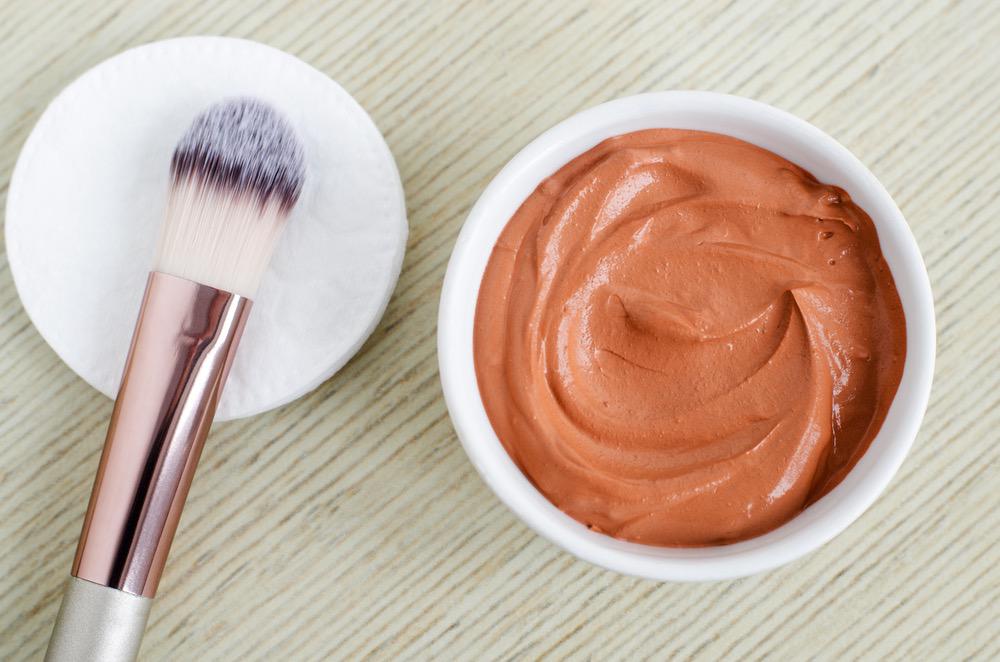
Rhassoul Clay Uses
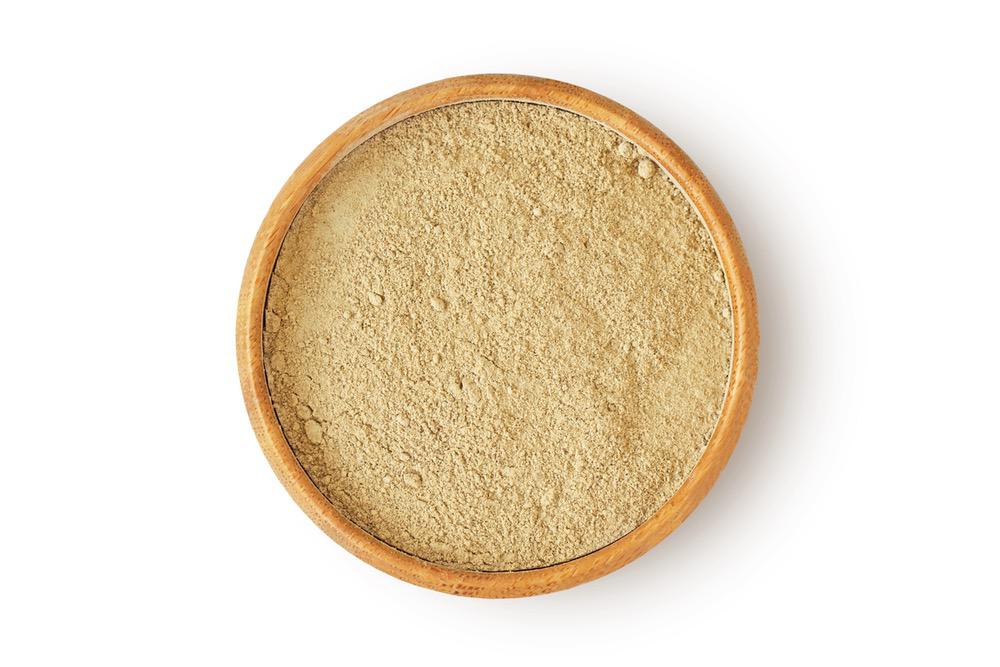
Hello everyone! Are you in the mood for something new and exciting to try for your next project? Maybe you re just looking for something to spice up all of your homemade cosmetics? Or perhaps you re looking for a new product that is sure to entice your customers? Well, have you ever tried any projects using cosmetic clay? Yes, clay! Cosmetic clay actually has so many uses, and so many wonderful benefits to using it in your products! Here at Nature s Garden, we actually offer seven different cosmetic clays, but I m actually going to talk about our amazing Rhassoul Clay! This is one product that you should try in your products as soon as possible!Did you know that rhassoul clay actually has many other names? While best known as rhassoul, it is also called Ghassoul Clay, Oxide Clay, and even Red Clay. While it is very similar to Red Moroccan Clay, don t let yourself get confused between the two! In Arabic, rhassoul literally translates to that which washes. Rhassoul is found in the Atlas Mountains all the way in Morocco. Did you know that due to its amazing therapeutic benefits, rhassoul clay has actually been used for just that purpose for over 1400 years? It offers many minerals that are very important and essential to the body such as sodium, iron, potassium, silica, calcium, and magnesium!There are so many fantastic benefits from the Rhassoul Clay uses. Besides all of the wonderful minerals it has, it has many other benefits to your body. For all of you crafters out there, this cosmetic clay can be used in many different bath and body products such as bath bombs, body masks, face masks, shampoos, skin conditioners, salt scrubs, mud baths, sugar scrubs and soaps. When you use it in these products, rhassoul clay offers many medicinal benefits. For example, when used for hair care, it helps to cleanse and refresh your hair follicles. For skin care benefits, rhassoul clay can be used to reduce pores, remove dead skin cells, refresh and cleanse the skin, and also tone and smooth out the skin. It also helps to remove excess oils from the skin, improve skin elasticity, reduce dryness, improve the firmness of the skin, reduce flakiness, and it also works as a detoxifying agent for the skin!Are you completely intrigued with this great product now? Wondering how to get your hands on it as soon as possible? Well, all you have to do is type rhassoul into the search bar on our website and it will take you directly to our Rhassoul Clay Powder page! But while you re there, make sure to check out all of our amazing free classes and recipes and the rest of our wonderful cosmetic clays as well! I m sure that you will love each and every one of them! They are all sure to be instant hits with your customers and your friends and family! Please make sure to contact us here at Nature s Garden if you have any thoughts, concerns, or questions and be sure to watch for more Enlightened by Layla!
Article
Uses for Cocoa Powder
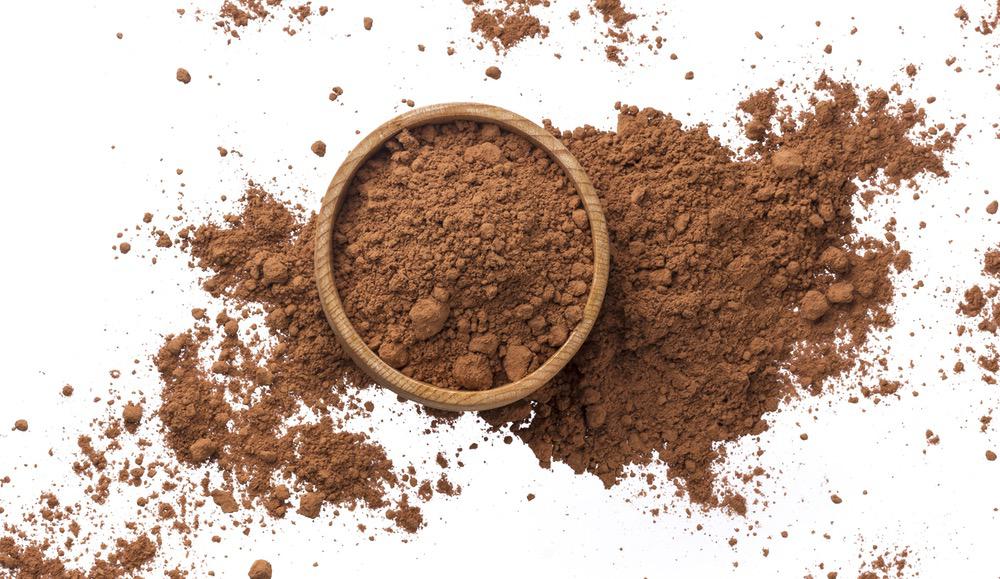
Hello all you wonderfully crafty people out there! Are you looking for a new and unique product to add to your projects? Or maybe you've been looking for something that is so enticing that your customers just won't be able to help themselves. Well, what if I told you you could use everyone s favorite food in the world? Chocolate! I m not kidding! You can actually use real cocoa powder in your products! It can be used for so many different industries including skin care, hair care, bath and body products, medicinal purposes, soaping, and the most obvious, food and beverages. Some common bath and body products that can include cocoa powder are soaps, shampoos and conditioners, face masks, facial toners, bath bombs, lotions, ointments, creams, lip balms, massage oils, and scrubs.There are so many amazing uses for cocoa powder. When you use it in your bath and body products, it has many wonderful skin and hair care benefits. In soaps, it gives the soap a beautiful natural brown color. For your skin, cocoa powder helps to renew and firm new skin cells, promote healthy skin tissues, and it also helps promote healthy cell development. Cocoa powder is a powerful antioxidant and helps to repair any damaged skin, absorbs UV light into the skin, improves blood flow, and improves complexion and helps the skin stay hydrated. You hair can benefit from cocoa powder as well. It helps to stop stress-caused hair loss, promotes shinier hair, and also helps to moisturize, soften, and smooth the hair.Cocoa powder also has many medicinal benefits. Did you know that chocolate could actually help fight cancer? Cocoa actually contains high levels of an antioxidant called polyphenols. When you drink hot chocolate, or other chocolate drinks, the polyphenols actually fight cancer! Even you heart can stay healthier with cocoa powder. It helps to lower blood pressure and bad cholesterol, as well as protecting you from a stroke and heart disease. For people that suffer from Alzheimer s, cocoa powder actually helps to increase the amount of oxygen to the brain. Cocoa powder also contains many important minerals for the body such as magnesium, sodium, potassium, zinc, copper, calcium, and phosphorous. It also contains vitamins A, B1, B2, B3, C, E, and pantothenic acid. Cocoa also works as an antidepressant and mood enhancer, increasing serotonin and endorphin levels in the brain, essentially making you happier!So really, chocolate is actually very good for you! I mean it fights cancer and protects you from heart disease! How could you not want to use this in every single product you make from now on? But hold on, because here at Nature s Garden we actually offer many free classes and recipes, and some of them just happen to be made with our cocoa powder! When you type cocoa powder into the search bar on our site, it will take you directly to our Organic Cocoa Powder page. On top of the cocoa powder picture, there is a little green link labeled Recipe. That will actually show you all of our fantastic recipes made with cocoa powder like our Gourmet Chocolate Bath Melts or our Chocolate Foaming Body Frosting! Make sure to try out every single one of them and keep watching for more Enlightened by Layla!
Article
Red Moroccan Clay Uses
Hello everyone! I hope you re all having a wonderful week! Have you used any clays in your products recently? Any cosmetic clays? Red Moroccan clay to be specific? Red Moroccan clay would be the perfect product to use to impress your customers and friends with a new twist on your projects! Or maybe you re just looking for something new and exciting to try for your own homemade bath and body products? Red Moroccan clay people! I m telling you, this is one product you just have to try! So let me tell you just a little bit more about it, because I am sure you will absolutely love it! It can be used in so many different industries and products too!Did you know that Red Moroccan clay was once reserved only for the use of royalty in ancient Egypt? Red Moroccan clay actually originated and was first found in the Atlas Mountains in Morocco. It is actually one of the most rare and most pure clays on this whole Earth! One of its many uses is for preparing body for Turkish baths. Red Moroccan clay actually contains many nutrients that are very important to the body. It contains potassium, silica, iron, magnesium, and sodium.There are so many wonderful red Moroccan clay uses. It can be used in many different industries and products, and especially in bath and body products. Common bath and body products that include red Moroccan clay are face masks, sugar scrubs, salt scrubs, shampoos and conditioners, soaps, bath bombs, mineral baths, and even deodorizing feet treatments. When used in all of these products, red Moroccan clay has many amazing benefits. It can benefits your skin by shrinking pores, adding moisture, and improving texture and elasticity. It also helps to remove impurities and toxins from the skin, stimulate circulation, draw out excess oils, and it even cleanses, nourishes, and exfoliates your skin. Your hair can benefit from this cosmetic clay as well! It helps to cleanse the hair and scalp as well as enhancing the hair.There are even some medicinal benefits to red Moroccan clay uses as well. It helps to treat poison ivy, poison oak, and many other rashes as well. Are you wondering what to use this awesome product in? Well, don t worry because here at Nature s Garden we offer many wonderful free recipes and classes and our Mechanics Soap and our Firming Facial Mask both just happen to be made with red Moroccan clay. When you type either red mo clay or just red clay into the search bar on our website, it will take you directly to our Red Moroccan Clay Powder page. When you get to that page, on the top of the clay picture, there will be a little green box labeled Recipe. If you click on that, it will show you the names and pictures of our Mechanic Soap and Firming Facial Mask. When you click on either of those, they are actually direct links straight to those amazing recipes! Make sure to try them out as soon as possible! Enjoy this great product and keep watching for more Enlightened by Layla!
Article
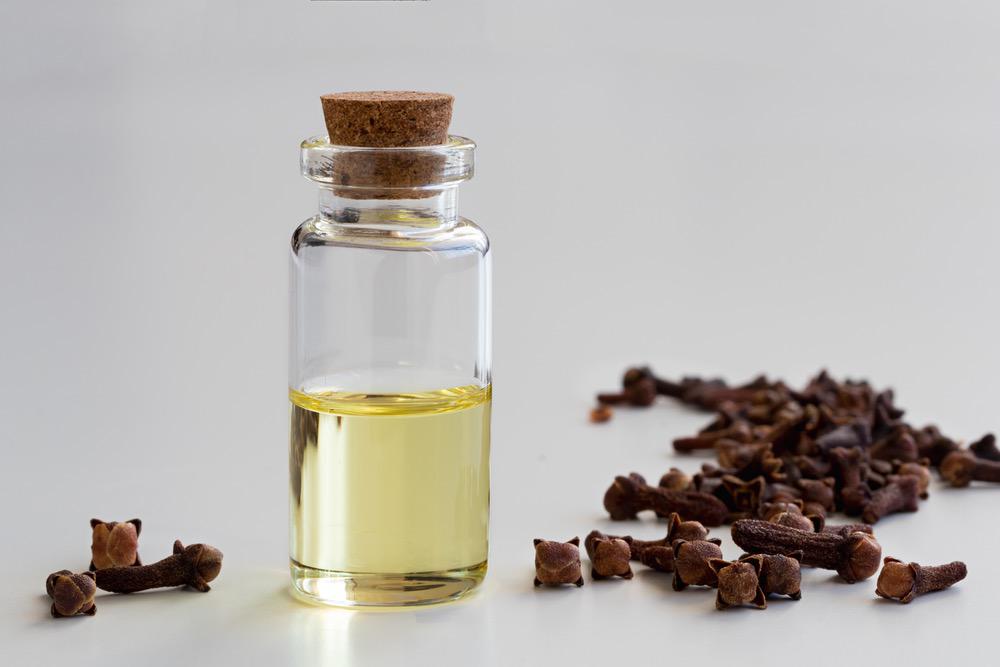
Uses for Cloves
Hello everyone! For all you crafters out there, are you looking for a new project to try? Maybe something exciting and unique that your customers will love? Or maybe you re just looking for something different that would be the perfect gift for your loved ones? Have you ever tried anything with herbs before? More specifically, have you ever tried anything with cloves? You would be surprised as to how many different products and industries actually use cloves! They are in so many common products! Common uses for cloves include soaps, candles, lotions, creams, ointments, bath teas, massage oils, bath bombs, scrubs, potpourri, hair conditioner and many other bath and body products! Cloves can even be used for culinary and medicinal purposes! This is one product that you just can t pass up, it is too perfect to use for all of your upcoming projects!There are so many wonderful uses for cloves. For all of the many bath and body products it can be used in, it has many amazing benefits. Cloves have many skin benefits such as being able to treat and help heal rashes, cuts, and wounds. Cloves also contain many nutrients that are extremely important to the body such as vitamins A and C, sodium, phosphorous, potassium, and iron. These nutrients help to keep the skin healthy, treat and remove acne, and help to cure any scarring or blemishes. There are also many hair care benefits to using cloves. They help to refresh worn out color, prevent hair loss and thicken the hair. Also, when using cloves in soap making, they work as a gentle exfoliant and provide the soap with an awesome smell!Cloves also have many fantastic medicinal benefits! They happen to contain many minerals that are essential to the body like manganese, magnesium, potassium, iron, and selenium. Cloves also have many anesthetic, antioxidant, anti-inflammatory, antiseptic, rubefacient, and carminative properties. They are used to treat inflammation, constipation, arthritis, sinusitis, coughs, diarrhea, flatulence, athlete s foot, colds, and indigestion. Cloves also help to control heart rate and blood pressure, relieve nausea, vomiting, and morning sickness, and work as an exhaustion, fatigue and stress reliever. Cloves can even help to protect the body from lung and mouth cancers. Even you teeth can benefit from using cloves! They help to relieve tooth aches and cure bad breath! In Tibetan medicine, cloves and clove oils are used as treatments for multiple sclerosis and hypotonic muscles.Did you know that cloves can actually be used as a natural insect repellant? Or that in Indonesia, cloves are actually used as spice in a type of cigarette called kretek? Cloves also just happen to be one of the most famous spices in the world, and are used as a flavoring agent in many different cuisines! In Middle Eastern, Asian, and African cuisines, they are used to bring flavor to curries, meats, and marinades. The easiest way to get your hands on this amazing product is just by typing cloves into the search bar on our site. That will take you directly our Whole Cloves page! But don t forget to check out our Clove Bud Essential Oil as well! And be sure to check out all of our free classes and recipes! Enjoy these wonderful products and watch out for more Enlightened by Layla!

Article
Titanium Dioxide Uses
Whether you are a candle, soap, or personal care products crafter, chances are you have run across Titanium Dioxide in your field.Sometimes, you just want your products to be so wonderful that they can sell themselves. Usually, the look your product has is the turning point as to whether someone s interest is peaked enough to further investigate. Instantly, your first urge is to make a product that is beautifully fragranced and colored, therefore snatching the potential sale. But, what if your end goal was a finished product that was white in color? Ahhh, the elusive white product- clean, pure, brilliant. This my friends is where Titanium Dioxide comes into play.Titanium Dioxide is a naturally occurring mineral that appears with the oxidation of titanium. Once these minerals are collected, they are then processed and refined to remove any impurities. What this all results in is a whitening product that can be used in a wide array of mediums. In fact, Titanium Dioxide is the most widely used whitening pigment for many industries.The additive itself is without odor and has excellent absorbing properties. Titanium Dioxide is not only noted for its whitening power in products, but also for its thickening capabilities as well. Yet, another notable property of Titanium Dioxide is its light reflection potential. It s no secret that Titanium Dioxide is a well known ingredient in many sunscreen applications. This is due to its light reflection properties of reflecting, scattering, and absorbing sunlight therefore protecting the skin underneath from any harmful rays.When to add it: Titanium Dioxide can be oil based or water based. If using water based titanium dioxide in your bath and body recipes, you will want to incorporate this ingredient during the water phase of your recipe. If using the oil based titanium dioxide, you will incorporate it during the oil phase of your recipe. If using titanium dioxide for candles, it can only be used for the overdips of the candles. Incorporating this additive to your melted candle wax, will clog your wick in a finished product.How Much to Add: When integrating titanium dioxide in your products, remember testing is key to finding your perfect recipe. However, Natures Garden suggests the following usage rates for titanium dioxide. In cosmetics, Titanium dioxide is used in mineral makeup as your matte base. It allows your product to flow nicely. For candle making, typical usage of titanium dioxide for dipped candles is 1% titanium dioxide to 3%-6% stearic acid. In everything else bath and body, usage level is no more than 1 teaspoon per pound of soap/cosmetic product.But, What If: If you are considering Titanium Dioxide in your recipe, but would still like to maintain some colored aspects to your finished product, this can be done as well. Incorporating titanium dioxide to certain parts of your product offers a great contrast of white and color; making the colored aspects of your product even more vibrant, bold, and eye catching.In closing, regardless of whether you are seeking out that perfect white bar of soap, mastering a body care product that effectively shields skin from harmful UV rays, or even giving the outside of your candle that clean white look, Titanium Dioxide is your solution.

Article
Soap Oil Properties
Many of Natures Garden's customers make homemade cold process soap, and we are the wholesale supplier of fragrance oil for many of these soap companies. Although we do not yet sell the soap oils mentioned in this article, we asked Kimberly Sanchez of Natures Art if she could explain the properties of soap oils to customers who desire to expand their line into cold process soap. Some of these soap oils can be found at your local grocery store. We hope that this information is as enlightening to you as it was to us.This is not a complete list, Just the most commonly used oils
Apricot Kernel Oil: Apricot kernel oil is a light oil. It absorbs nicely into the skin and is a good luxury conditioning oil in soap - at about 5% -10%.
Almond Oil, Sweet: A moisturizing oil that is very light and absorbs well. In soap it produces a low, stable lather, but is recommended to not use it more than about 5% - 10% in soap - as it's not a hard oil.
Avocado Oil: Avocado oil is a heavy, green, rich, moisturizing oil that has a high percentage of unsaponifiables. It's often used in soap recipes for people with sensitive skin. It's high in vitamins A, D & E. You can use it in your recipes from 5% - 30%
Babassu Oil: Babassu oil comes from the kernels of the babassu palm. Its fatty acid makeup is very similar to palm kernel and to coconut oil. It's high in lauric and myristic acid, which contribute to a nice, fluffy lather.
Canola Oil: Canola, a kind of rapeseed, is a good economical oil for soap making - you can substitute a portion of your olive for canola, or use it as part of your batch at 10-15%. It gives a nice, low, creamy lather and is moisturizing. It will slow down the rate at which your soap will get to trace, so it's a good oil to add if you're doing complicated swirls or colors.
Castor Oil: Castor oil is a thick, clear oil that helps increase the lather in soap - a rich, creamy lather. It's also a humectant (attracts moisture to your skin) oil. Just a little will do...5% - 8% in your recipe will work great.
Cocoa Butter: As it is very hard saturated fat, use with other more unsaturated oils like olive or castor. Use in conjunction with more sticky ingredients such as shea butter or lanolin. Using too much cocoa butter will result in a dry, exceptionally hard bar of soap.
Coconut Oil: Coconut oil is one of the primary oils soapmakers use in their soap. Most of the coconut oil sold and used has a melt point of 76 , but there is a hydrogenated type that melts at 92 . Some soapmakers prefer this one because it's easier to scoop - but either version works the same to give tremendous, bubbly lather to your soap. It also makes for a very hard, white bar of soap. The collective opinion is that using more than 20% coconut oil in your recipe will be drying to the skin.
Corn Oil: It acts like most of the other vegetable liquid oils like soybean or canola. It can be used as part of your recipe (10-15%) and will help give a moisturizing, stable lather.
Grape seed Oil: Grape seed oil is a lightweight, moisturizing oil that is a good additive to soap in small quantities. It doesn't have a long shelf life, so unless you treat it with rosemary oleoresin extract, or have a very low superfat percentage, don't use it more than about 5% in your recipe.
Hazelnut Oil: Hazelnut oil has a short shelf life (3-4 months). If you want to add it to soap, I wouldn't recommend using more than about 5-10% in your recipe because of the short shelf life. A lovely oil, but very fragile.
Hemp Seed Oil: Hemp seed oil is a deep, green color with a light, nutty smell. It gives a light, creamy/silky lather. Because of its fatty acid makeup, it has a very short shelf life...less than six months...so it should be refrigerated or even kept in the freezer. It can be used as a luxury healing/moisturizing oil in soap up to 10%-15%.
Jojoba Oil: Jojoba is actually a liquid wax. It contributes a nice stable lather, has remarkable absorption and moisturizing qualities and unlike some of the other luxury moisturizing oils, has a very long shelf life - 1-2 years. Use it at 5-10% maximum.
Lard: Lard makes a super-hard, very white bar of soap with a low, creamy, stable lather that is, believe it or not, nicely moisturizing. Before vegetable oils were commonly available, it was one of the main fats (along with beef tallow) that folks used to make soap. If you use animal oils in your soap, then combining lard with some of the other liquid oils like coconut and olive makes a wonderful, well balanced bar of soap - and is really economical. Make sure your lard is fresh and of high quality. Use it at any percentage in your recipe, but I recommend not much more than 30-40% or so. Cold process laundry soap can be made with 100% lard with a 0% superfat percentage.
Olive Oil: Extra virgin and virgin olive oils come from the very first gentle pressing of the olives. The refined, or Grade A oil comes from the second pressing, and is lightly refined/filtered. 100% olive oil makes the famous "Castille soap" and "Marseille soap" must contain at least 72% olive oil. Olive oil is generally the #1 oil in most soap makers' recipes. Olive oil soaps are very moisturizing, make hard, white bars of soap and are exceptionally mild. But the lather from Castille soap is low and a bit slimy. Most soap makers combine olive oil with other oils to improve the lather. Pomace grade olive oil is a thick, rich, green grade of olive oil that is obtained by solvent extraction of the fruit and pits of the olives - what's left over after the first several pressings that give the virgin and Grade A oils. It has a very high level of unsaponifiables (the portions of the oil that don't react with the lye to form soap.) This will make your trace time quicker.
Macadamia Nut Oil: Macadamia nut oil is a light oil with a mild nutty odor. It is unique in its fatty acid makeup in that it contains palmitoleic acid - which makes it really easily absorbed into the skin - and is reported to be really great for older skin.
Palm Oil: Palm oil, along with olive and coconut, is one of the top oils used by soap makers today. Because of the qualities it gives soap - a hard bar with a rich creamy lather.
Palm Kernel Oil: Though it comes from the same plant/nut as palm oil does, palm kernel oil is almost identical in its soap making properties to coconut oil - giving a nice hard white bar of soap...with lots of luscious lather. Palm kernel oil is often available partially hydrogenated, in easy to handle/measure flakes...or just as a standard liquid oil. You can use it up to about 30% or 35% in your recipes. However, like palm oil, palm kernel oil is surrounded by the same environmental and human concerns.
Rice Bran Oil: Expressed from the husks of rice, most soap makers found that rice bran oil imparted nearly the same creamy, moisturizing qualities that olive oil did to their soaps. It does have a lot of the same antioxidants and vitamins that olive has, and a similar fatty acid make up. The only disadvantage of rice bran oil is its short shelf life - (6 months or so.)
Safflower Oil: Its fairly short shelf life. You can certainly use it in your recipes like you would soybean, canola or sunflower - at 5-15% or so. In soap, it is mild and moisturizing.
Shea Butter: Moisturizing and nourishing. Fairly inexpensive and easy to find. Shea butter for soap making will add a wonderful creamy lather, great conditioning properties and some hardness to your soap.
Soybean Oil: Soybean oil, like canola, safflower and sunflower, is often used as a portion of a soap making recipe in combination with other "core" oils like coconut, olive and palm. Use it 5-15% of your soap recipe. It is mild, moisturizing and gives a low, creamy lather.
Shortening: Soybean oil, in its hydrogenated form is generally called vegetable shortening & sold under generic names, or the brand Crisco. Shortening is usually a blend of soybean & cottonseed oil, and makes nice soap. Like all soap making oils, except olive, it's not a great oil to use alone, but combining it with olive & coconut makes a good, stable, bubbly, moisturizing bar of soap. I recommend not using over 15% as it can go rancid in higher amounts.
Sunflower Oil: It works well with palm and olive oils to give a nice, rich, creamy lather that's very moisturizing. Depending on the type you get, it may have a short shelf life due to its fatty acid makeup. In soap, it does well up to about 25% .
Tallow, Beef: Like lard, beef tallow gives you a super-hard, white bar of soap with low, creamy, stable lather that is very moisturizing. Before vegetable oils were commonly available, it was one of the main fats that folks used to make soap - and remains one of the most common oils in soap. (Check your label for sodium tallowate. That's beef tallow.) If you are o.k. using animal oils in your soap, then combining beef tallow with some of the other liquid oils like coconut & olive makes a wonderful, well balanced bar of soap. While you can use it at any percentage in your recipe, I wouldn't recommend much more than 40% before it starts creating a brittle bar of soap.
Article
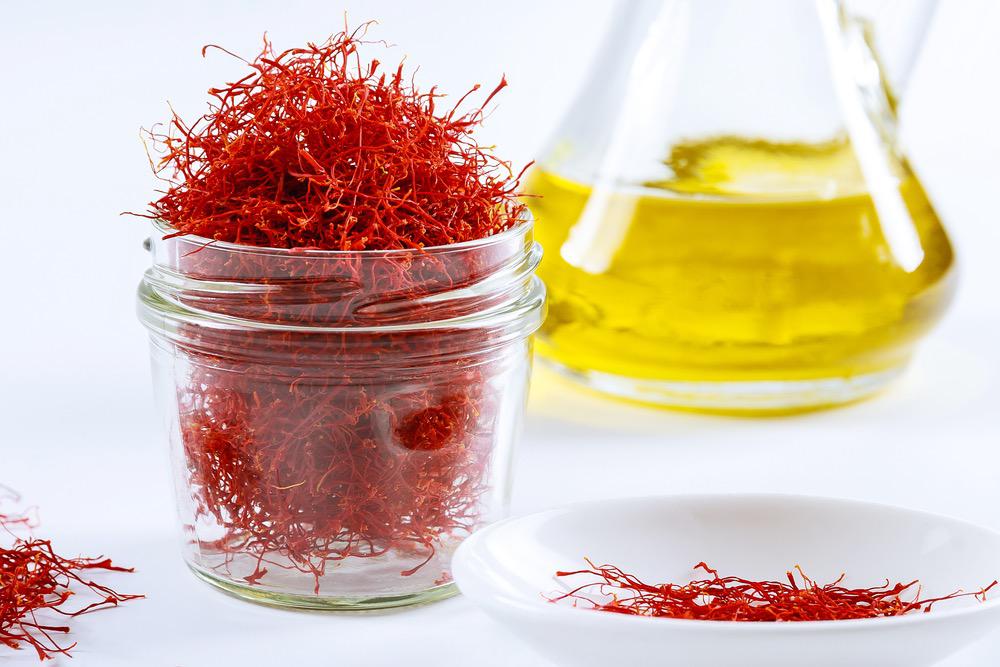
Safflower Oil Benefits
We at Natures Garden know that every cosmetic ingredient is unique in some way. While some may share a few similar properties, every one has at least one property or benefit that sets it apart from the rest. Its important to know the properties of your potential ingredients as a creator, because knowing the benefits of each oil could help you learn to create products that better suit your needs. Plus, one of the best parts of homemade cosmetics is being able to create exactly what you need. You don't want to miss out on formulating the perfect cosmetics that perfectly care for your skin and hair types. So, we would like to share some of the Safflower Oil Benefits in this blog.Safflower Oil Benefits for Your ProductsOf course, you want your products to be attractive and effective. It's very important for bath and body products to work, but this depends on two things. First, the effectiveness of your product is measured based on the need you are trying to fill. Meaning that the effectiveness of a conditioner made for thick, dry hair would be different from one made for thin, dry hair. Second, how well your products work depends on the ingredients included. This means you will need to understand the properties of your ingredients and how it relates to what you want. So, here are the benefits that this oil can provide your products.Safflower Oil Benefits for Soap MakingIf you are looking to create a highly conditioning soap recipe, then this ingredient is a must! Safflower Oil is perfect for providing your bars with the nourishment it needs to pamper and soften your skin. This lovely ingredient is among are most conditioning cosmetic oils! Plus, this oil adds a bit of hardness to your bar and provides a rich, creamy lather. This is absolutely perfect for creating soap that is cleansing and moisturizing, because clean doesn't mean drying out your skin. If you would like to check one of our soaping recipes that include this oil, then try out our Refreshing Cold Process Soap Recipe, our Hot Process Soap Recipe, or one of our many others under the Safflower Oil's recipe tab!Safflower Oil Benefits for Bath ProductsAnother way to create wonderful products with this cosmetic oil is to use recipes for bath products. This extremely conditioning cosmetic oil is great for adding some nourishment to your skin as you soak in the bath. So, Safflower Oil's highly conditioning properties make it the perfect ingredient to add to your bath products, like bath bombs or bubble bars. So, you an create a conditioning product that allows you to kick back and relax while your skin is completely nourished. You can try out some of our bath recipes that use this skin loving oil, like the Galaxy Bubble Bars Recipe or the Holly Berry Bath Bomb Recipe.Safflower Oil Benefits for Homemade ShampooNot only can you make your own cleansing bar of soap, but this cosmetic oil is perfect for making bars of shampoo. Typically, using a bar of soap on your hair is a bad idea, as it can dry out your scalp. However, bars of soap made at home aren't the same as a typical store bought soap. These homemade batches can be formulated to be much more forgiving for your hair, which means that a conditioning bar of soap is just what you need. So, a batch of soap using Safflower Oil will clean your hair and leave your scalp with the nourishment it deserves. This means that this is the perfect bar of soap to use for your hair! Try it for yourself by creating the Shampoo Bar Cold Process Soap Recipe on the Natures Garden website.Safflower Oil Benefits for ConditionerSince this cosmetic oil is super conditioning, it is perfect in all kinds of hair care products. So, you can use this lovely cosmetic oil to create your very own conditioner recipe. This moisturizing oil is perfect for leaving your hair hydrated and nourished, which means it would work perfectly in a recipe with other hair nourishing oils to create a product that makes your hair beautiful. No gross homemade mixtures of foods and oils, this recipe allows you to create real conditioner at home! If you are interested in trying out this cosmetic oil in your products, then check out our amazing Hair Conditioner For Redheads Recipe! Not only will this leave your hair soft and moisturized, but it is perfect for bringing out the beauty of red tones in hair.Safflower Oil Benefits for Lotions and ScrubsAlso, you can use the lovely Safflower Oil in your various skin nurturing products, like lotions or scrubs. These recipes can really benefit from the addition of cosmetic oils like Safflower Oil. Not only is this cosmetic ingredient among the most conditioning for your skin, but it absorbs faster than average! This means that this oil won't leave you with a greasy feeling on your hands, as the cosmetic oil will quickly sink into the skin to fully care for your skin. So, those that would like to try out this cosmetic oil on their skin can try our scrub recipe, the Emulsified Beet Sugar Scrub Recipe.Safflower Oil Benefits for Your BodyWhen your bath and body recipes are effective, they are benefiting the body in some way. Whether you are creating lotion for sensitive skin or relieving dry, cracked skin, you need to make sure that the ingredients you put in are able to help heal and protect your body. While looking at the benefits of this ingredient for your product can help you learn a bit about this oil, there are some extra benefits that a cosmetic oil can provide for your body. So, here are the benefits that Safflower Oil has for your skin and hair.Safflower Oil Benefits for Healthy and Protected SkinThis amazing cosmetic oil is perfect for skin care. Safflower Oil contains nutrients, like a high content of essential fatty acids, that really love and care for the skin. Not only is Safflower Oil perfect for nourishing your skin, but this oil is wonderful for protecting your skin from drying out. This cosmetic oil is able to both provide nutrients to your skin and lock in the moisture that your body needs. To protect the skin, the lovely oil creates a water proof barrier that prevents your skin from losing moisture. So, your skin will be softened and stay that way for longer.Safflower Oil Benefits for Reducing BreakoutsAnother benefit of this cosmetic oil is helping to reduce breakouts, blackheads, and similar blemishes. First, Safflower Oil contains high levels of linoleic acid. This means that this cosmetic wonder is perfect for balancing the oil your body naturally produces, sebum. This will help to reduce breakouts and lead to more clear, healthy looking skin. Further, this cosmetic oil has been tested on its ability to reduce blackheads and whiteheads. It was found that using Safflower Oil can lead to a reduction in the size of these blemishes. So, this cosmetic ingredient would make a perfect addition to your skin care routine.Safflower Oil Benefits for Moisturizing Your FaceFurther, you can use Safflower Oil perfectly as a facial moisturizer. The cosmetic oil is said to work by if used by those with either normal or combination skin. Now, normal skin just means that you aren't overly oily and you aren't extremely dry. Instead, your skin is somewhere in the middle. So, you could use this cosmetic oil as an everyday moisturizer to provide your skin with a healthy, beautiful appearance. This means that your skin will be soft and beautiful with the combination of this oil being able to condition and balance your sebum.Safflower Oil Benefits for Reducing Hair LossAn added benefit of this cosmetic oil is that it nourishes the hair and leads to a healthier head of hair. Safflower Oil contains vitamins and other nutrients that prevent the loss of necessary proteins. Without these proteins, hair can be brittle, dull, and even begin to fall out. While a loss of protein isn't the only reason for hair loss, it is significant for a large portion of people. Adding this oil will help you to reduce hair loss and actually provide the lacking nutrients that are necessary to promote hair growth. So, adding in extra nutrients that you may be lacking is a perfect way to begin to combat hair loss!Safflower Oil Benefits for Gorgeous, Shiny HairAnother benefit of this cosmetic oil is that it is useful for rejuvenating dull hair. Adding this cosmetic oil to a hair conditioner or directly to your hair will lead your locks to being shiny and beautiful. This is especially useful for those that dye their hair often. Why spend all this time and money if you aren't going to be glamorous. Using a bit of Safflower Oil is perfect to use between salon visits for bringing your color back to life and adding a gorgeous sheen. Whether you dye your hair or leave it natural, this cosmetic oil makes an amazing addition to your hair care.Safflower Oil Benefits for Nail GrowthEveryone wants long, healthy, gorgeous nails, but it can be hard to grow them on your own. Between breaking and just taking so long to grow, it can be easier to get fake nails put on. But, this won't make your nails stronger. Safflower Oil, on the other hand, is amazing for helping your nails become healthier and grow quicker. Since this cosmetic oil contains quite a bit of nutrients, like vitamin E and essential fatty acids, this is a great oil for rejuvenating our nails. These nutrients will condition the nails to provide a healthy look and feel. But, that's not all. This cosmetic oil will lead to nail growth, as the oil provides nutrients that nails need to grow.Safflower Oil Benefits: Share With UsWe hope that you enjoy this cosmetic oil in your various bath and body creations. Also, you can try out a few of our bath and body recipes that use Safflower Oil, too. Either way, you will be gaining the benefits of the lovely oil. If you have any questions, comments, or concerns, then feel free to find us on social media. Also, we would truly enjoy seeing your products or hearing about your experiences with this cosmetic oil. Especially those that have tried out one of our recipes, we would love to know what you think! You can find us on either Instagram or Twitter with @ngscents. Plus, we are available on the Natures Garden Facebook page. Hope to hear from you soon!Safflower Oil Benefits: Healthy Inside and OutSafflower Oil isn't just wonderful for the outside of your body! While this Natures Garden product is cosmetic grade and can't be used for cooking, you can find food grade Safflower Oil that is perfect for cooking. This lovely oil is as healthy as Olive Oil, as it contains healthy, unsaturated fatty acids. Also, this oil has a high smoke point, which is useful as a cooking oil. Further, there are tons of absolutely scrumptious recipes that you can use with Safflower Oil. If you are interested in trying this oil, then check out some cooking recipes for this oil on Livestrong's How to Cook with Safflower Oil article.Note: Natures Garden sells cosmetic oils for external use only. We do not sell them as food items. The information we provide is for educational purposes only. This information is not intended to diagnose, cure, treat, or prevent any disease. This information has not been evaluated by the Food and Drug Administration. Keep all cosmetic oils out of reach of children and pets. Special care should be taken by pregnant and/or lactating women when handling cosmetic oils. Natures Garden accepts no responsibility (written or implied) for any products you make with our cosmetic oils. All testing is the responsibility of the customer.

Article
The Psychology of Color in Fragrance
The sense of sight is a very powerful tool. But, did you know that you can help influence your customers in purchasing certain items just based on the items color? Color does in fact play a huge role in marketing. This is all based on how your client perceives the color, and what statement your client is looking to make when it comes to purchasing your product.Color is more than a physical attribute to an object. Our mental psyche not only perceives colors, but also directly correlates them to our emotions. Color can be used, and is used in everyday life to excite, persuade, and even encourage. In fact, anytime color is used in advertizing, the percentage of making the item memorable is 100%, as compared to a black and white ad. On the flip side, color can also be associated with negative messages or feelings. This is why color deserves a seriousexamination when trying to brand a company through a logo or product.In the marketing aspect of things, aesthetics is always a factor that needs to be considered. How something looks may determine whether or not the sale will be made. In general, the population s first instinct on buying items they may not consider as necessities is based on its look. Color is actually the first thing that a buyer mentally registers. The use of color therefore must be the first and foremost frontrunner to decipher when trying to promote an item for sale. The second consideration should be which target audience you are trying to sell to.Here are a few examples:Darker colors appeal to the male gender.Pastels and Neutral Colors appeal to the upper scale clientele.Primary colors appeal to children the best.There is a ton of research available on this topic. So, here is a brief explanation on the 10 most basic colors.The effect of the color Black:Positives: Black is directly associated with intelligence. It is a very strong and domineering color showing both power and authority. Black also have the visual effect of making things appear smaller or thinner.Negatives: Black has been mainstreamed as a color denoting ill will or immorality. The color black is also accepted as the signifier of loss or grieving. When used to an extreme, black can quickly overwhelm.The effect of the color Blue:Positives: This color is by far selected as one of the most loved and favorites. Certain shades of blue even promote the production of calming chemicals in our bodies. It is an excellent choice selection for bedrooms and bedroom decor due to the fact that blue evokes rest and serenity. When darker blues are used, there is an unspoken feel of comfort. Blue denotesloyalty and wisdom. Blue will keep us focused and dedicated to the task at hand. There have even been studies proving that productivity is always increased when blue is the dominant hue of the surroundings.Negatives: Blue can have a chilling effect on our emotions. Blue can be perceived as indifferent and detached.The effect of the color Brown:Positives: This is the color of friendship. Brown shows reliability and durability. This is considered one of the best colors touse when trying to denote an item as being natural or organic. Brown denotes a sense of strength. The color brown is a standard in many homes and decors because of the feeling of security it provides.Negatives: Over using the color brown can create sad feelings. This is because brown also signifies isolation and loneliness.The effect of the color Gray: Positives: The color gray signifies timelessness. Gray is also considered a standard for showing practicality. There is anassociation that people put with the color gray of stones or rocks; which then leads to gray signifying that it is solid. Anytime you want to add this notion to any of your items, a touch a gray color will exemplify this without saying a word.Negatives: Due to the nature of the color, it is often seen as a color that reflects being on the fence or undecided. Items that contain an abundance of gray leaves people feeling unsure about it. Gray can also be mentally tied to elderliness and depression.The effect of the color Green:Positives: Green is really one of the most pleasing colors to all of the senses, we perceive this color as nurturing. This is due to the notion that many people inherently relate the color green to nature; being of the earth. Of all of the colors, green is said to be the most healing. Various shades of green are also directly mentally correlated to money and production. From the lighter spectrum of green, there is a calming effect. The standard green is associated to luck. The color green is also associated with fruitfulness.Negatives: Green can be viewed as a symbol of na veness and inexperience. Green also is used to denote envy.The effect of the color Orange:Positives: If you are looking for a color to show excitement or playfulness, orange will create this. Orange is boisterous, loud, and full of energy. Orange also relates the notion of aspiration. There is a feeling of warmth and happiness when this color is used. This hue can also be used to signify a product is organic.Negatives: Avoid using the color orange in environments where people need to stay on task and focused. Having bright orange products or items in a room like this will prevent productive activity since the color orange is seen as a show stealer.The effect of the color Purple:Positives: This color is quickly picking up the favorite color vote with young girls. Royalty and wisdom are the first thoughts that are associated with the color purple. Due to that notion, the next onslaught of adjectives that describe this color are rich, cultured, and prosperous. Purple is a great color choice when trying to stimulate brain activity for problem solving.If you would like to add a mysterious element to an object, trace amounts of purple will allow for this. Using this color makes the statement of being special and unique. This color screams notice me .Negatives: Over use of the color purple can be seen as denoting superficialness.The effect of the color Red:Positives: Red is the first color that the human eye sees. It is a confident color that denotes power. This primary color symbolizes energy. Bursts of red denote enthusiasm. If you are looking to drawl attention to a product, red is the ticket. Red is the symbol color for life and love. Wearing elements of red, or having red items around you can boost your self esteem.Negatives: Red is one color that you do not want to over use. Too much red can cause confusion for the mind, because everything is fighting to be the focus. Medically speaking, when a person is in an environment that is predominately red in color, their heart beats per minute increase, and they can also have issues trying to catch their breath. Also, too much red can be intimidating.The effect of the color White:Positives: White is the color that best describes purity. This absent of colors hue also denotes creativity and imagination. If you are looking to add a feel of cleanliness and safety to a product, white is your best bet. White is also viewed as a fresh outlooks, new beginnings, and limitless opportunities.Negatives: Too much white can give off a feeling of emptiness. There is also an unfriendly coldness about white that some people find unwelcoming in products.The effect of the color Yellow:Positives: Almost everything optimistic and uplifting is associated to the color yellow. Fun, happiness, cheerfulness, sunshine, and warmth are just a few words to describe its effect on humans. All things happy somehow relate to this color because when we see yellow, our brains actually release an increased level of serotonin. This is the feel good color that also opens up and increases our creativity. The color yellow also has the potential to speed up of metabolism levels. Shades of golden yellow are perceived as an unspoken promise to greater, prosperous things.Negatives: When yellow is used in abundance, it has the capability to enrage tempers. Certain shades of yellow can be related to cowardice or fear.All of Natures Garden s fragrance oils have a color suggestion given. In order to help everyone find that perfect fragrance oil and color, here is the link to the Fragrance By Color promo. All of the fragrances are broken into color categories. So, if you are looking to fill a certain color quota for your product line, check out the fragrance oils Natures Garden has to offer. It is time to get creative Fragrance by Color Fragrance & Fun for EveryoneInspire, Create, and Dominate!Sparkles!!! Nicole(Corporate Manager ofNatures Garden Candle Supplies)www.naturesgardencandles.com
Article
What is Bee Pollen Powder?
If you have been wondering "What is bee pollen powder?", then you may want to stick around for this blog. This Natures Garden herb is made up of ground up bee pollen granules, which makes it easy to add your homemade soaps and cosmetics. Further, the herb powder is a perfect way to naturally color bath and body recipes. Also, the bee powder is full of vitamins and nutrients that a healthy body needs! We utilize these nutrients to create bath and beauty products that are amazing for the skin. But, there are those that use the bee pollen granules to provide benefits to the inside of their body, too. You can learn about all the beneficial properties that bee pollen has for both your homemade products and your whole body in one of our homemaking blogs for bath and body products!What is Bee Pollen Powder?: What is Bee Pollen Made Out Of?While bees collect pollen from plants, like flowers, this pollen alone is not bee pollen. Now, you may be asking "Well then, what is what is bee pollen made from?". This process starts with the plant pollen and nectar that the bees collect for food. The type of pollen differs based on the on the area, as there will be different types of flowers available.Then, the bees mix the collected pollen with nectar from its honey sacks. This creates the bee pollen, which are larger granules that make it easier to transport pollen back to the hive. So, the bees will store the bee pollen in a special pouch in their hind legs to transport it back to their home. Then, the bees will transport this to the hive where they can enzymes to it. The bees will digest the bee pollen to turn it into honey, which has all the nutrients needed to feed young bees and worker bees alike.What is Bee Pollen Powder?: How is Bee Pollen Harvested?Well, how is bee pollen gathered before the bees turn it into honey? Obviously, the bee pollen would need to be collected before the bees take it into their hive. After this point, it will be in the process of becoming honey. So, beekeepers will use a special comb-like device that bees have to pass through before getting into the hive. As a bee passes through the comb some of the pollen will be pushed out of the bee's pouch. This allows a portion of the bee pollen to be collected while leaving some for the bees to turn into honey.What is Bee Pollen Powder?: Industrial UsesWe know that bee pollen is used to make food for the bees, but how is bee pollen good for you? Bee pollen is full of all kinds of nutrients that your body needs, which makes it amazing for giving your body a revitalizing boost. Since bee pollen is full of vitamins and nutrients, there are many industry uses for this lovely product. This means that there are all kinds of ways that people have found to include use this natural wonder. Whether you use bee pollen for cosmetic purposes or include a bee pollen supplement in your diet, there are many beneficial properties for your body.What is Bee Pollen Powder?: Foods and BeveragesMany people enjoy adding bee pollen to their food or smoothies as a nutrition boost. In fact, the abundance of nutrients are useful for combating fatigue and stress by supporting your nutrition levels. Since the vitamins and nutrients in this supplement support healthy body function, you are sure to feel more lively. Plus, bee pollen will help you ward off sickness, as it has been shown to boost the immune system. Also, this natural supplement has been useful in reducing nutritional deficiencies, which would lead to negative consequences. These consequences could include health problems or poor development in children. This is just a few of the reasons why adding bee pollen to healthy food is something that many people enjoy!What is Bee Pollen Powder?: What Does Bee Pollen Taste Like?Of course, anyone considering adding a new food to there diet would be curious about the taste. We have been told that bee pollen is an acquired taste, so some healthy eaters will disguise it in their food. Further, the taste can differ slightly depending on the pollen sources available around the hive. This means that both the color and taste can change slightly based on location and time of year. Some bee pollen has a nut-like flavor that is a little sweet and other times it can be more bitter. While some people will eat the bee pollen on food or like a pill with water, others may hide the flavor in a smoothie. It all depends on your preference and the time of year you get your bee pollen.What is Bee Pollen Powder?: Bath and Body ProductsBee Pollen Powder is a wonderful herb that provides all kinds of benefits to natural bath and body products. First, this herb can be used as a natural colorant. The pretty yellow color is perfect for creating bath and body products that are light, warm, and natural. So, this cosmetic herb is great for adding to your bath and body supplies, as it provides you with perfect hues for wholesale body products using natural bee ingredients.Additionally, bee pollen has all kinds of wonderful properties to benefit your skin. First, using this cosmetic herb for making lotion from scratch is a perfect way to introduce these beneficial properties to your skin. The high levels of antioxidants in this cosmetic herb are able to help reduce aging, as it reduces the effect of free radicals, UV light, and pollutants. Further, bee pollen has an antibiotic effect that will help to reduce acne break outs. Plus, some research has shown that bee pollen can be used on the skin to speed healing and prevent infection due to its antibacterial properties.How to Use Bee Pollen Powder: Natures Garden RecipesAlso, you can incorporate bee pollen power in a wonderful cold process soap recipe! Our Royal Honey Bee Cold Process Soap Recipe combines the beneficial properties of real honey and raw bee pollen to create an amazing recipe for the skin. Since much of the antibacterial and anti inflammatory properties are from the bee pollen, this combination enhances the honey's properties to new levels. This soap can be useful for moisturizing the skin, reducing wrinkles, and even preventing acne break outs. Plus, some cases of eczema have been reduced after regular use, as it reduces inflammation and soothes the skin.What is Bee Pollen Powder?: MedicinalThroughout history, there is evidence of humans incorporating bee in medical practices. There were ancient civilizations, including Chinese, Egyptian, Greek, American Indian, and many more, used bee pollen to create rejuvenating blends. These blends varied from the Greek and Egyptians using it to increase stamina before battle to the medicinal tonics of ancient Chinese civilizations. Further, bee pollen has even been referred to as "Ambrosia" by some civilizations, which means food of the Gods. Today, we still utilize the natural properties of bee pollen to provide our bodies with a nutrient boost and enhance our health. In fact, it is considered a superfood that is often used in smoothie blends.What has continued to make bee pollen popular for improving health is its many natural, beneficial properties for the body. First, it has vitamins that are useful for boosting the immune system, which protect you from diseases or infections. Also, bee pollen has anti-inflammatory properties that can be used for reducing the symptoms of arthritis, gout, or even menstrual cramps. Another benefit is that bee pollen promotes liver health with its high level of antioxidants that are able to help your liver detox the body. Additionally, bee pollen powder has been linked to a reduction in bad cholesterol, which has led to better cardiovascular health and even suggested a decreased risk of blood clots.What is Bee Pollen Powder?: Other UsesAnother benefit of bee pollen is that it can be used to help reduce minor seasonal allergies. Many people will find local beehives to find bee pollen harvested from the area. You can take this region specific bee pollen every day to help build up an immunity to the pollen that you experience in your area. You will want to start with a small amount and work your way up to a slightly larger amount. Also, you will want to begin this process a few weeks before pollen season begins.Eventually, you won't have as bad of a reaction from seasonal allergies caused by the pollen in your area. However, anyone with serious allergic reactions to honey, pollen, or bee stings as well as anyone taking regular medications should all consult a doctor before committing to taking bee pollen. If you would like to learn more about how to take bee pollen, then check out this article called How Bee Pollen Could Cure Your Allergies by Mind Body Green. This article talks about how bee pollen wards your body from your allergies and gives a suggested amount for daily use.What is Bee Pollen Powder?: Get Healthy with Bee PollenIf you want to try adding granules of bee pollen to your diet, then Healthy Smoothie Headquarters is a great place to start. They have an article with a recipe for creating a smoothie that is absolutely scrumptious. Recipes like these are extremely useful for anyone that would love to reap the benefits of bee pollen but hate the taste. Plus, this article even talks about a few more benefits and bonuses of eating bee pollen regularly. So, check out the Blissful Bee Pollen Smoothie and see what all the buzz is about!If you are curious about all the nutrients in bee pollen, then you may want to check out an article by Bee Pollen Buzz. This article, called What is Bee Pollen?, perfectly answers the question of "What nutrients does bee pollen contain?" and shows you exactly what is known to be in bee pollen that is just so good for us. In fact, this article breaks down the good stuff in bee pollen, like all the vitamins, minerals, and amino acids. Plus, they go into the number of calories, fats, carbs, and protein, too. So, this is a perfect break down for any curious healthy eaters out there.What is Bee Pollen Powder?: Talk to UsWe hope that you've enjoyed learning a bit about this wonderful cosmetic herb. If you want to include even more herbs in your wholesale bath and body supplies, then check out some of our other Herbs and Spices. You can create some skin-loving products with a blend of fantastic herbs. If you have questions about bee pollen powder or any other herbs that we carry, then please ask us! You can always ask us questions in store, on the phone, and on social media. We have a Facebook page that you can use to reach us. Also, we have a Twitter account and an Instagram account (@ngscents) . We hope to hear from you soon!What is Bee Pollen Powder?: Reminder About Our HerbsNote: Natures Garden sells our bee pollen powder for external use only. While you can purchase food grade bee pollen elsewhere, we do not sell them as food items. Also, the information that we provide is for educational purposes only. This information is not intended to diagnose, cure, treat, or prevent any disease and this information has not been evaluated by the Food and Drug Administration. We suggest that you keep all herbs out of reach of children and pets. Also, pregnant and/or lactating women should take special care when handling herbs. Natures Garden accepts no responsibility (written or implied) for any products you make with our herbs. The responsibility of the customer is to test all of their own created products.

Article
What Can I Use to Flavor Lip Balm
A common question to come up when creating a lip balm recipe is "What can I use to flavor lip balm?" There are so many choices that sometimes it is hard to decide! You can go with scrumptious flavoring oils, essential oils, or certain foods. It all depends on what you are trying to make. Some people prefer to go the simple, natural route with specific food ingredients or essential oils. Other people like to go with the yummy and complex flavorings. No matter what your style is we have some options for you!What Can I Use to Flavor Lip Balm: Flavor OilsFirst, we have our flavoring oils! These are all of the flavorings that we had formulated specifically for lip balm. So, check out our flavor oils and find your favorite.What Can I Use to Flavor Lip Balm: Black Cherry BOOM FlavoringIf you like the taste of freshly ripened black cherries, then this is the perfect flavoring for you. Our Black Cherry BOOM Flavoring oil has a bold cherry aroma that will have your mouth watering.What Can I Use to Flavor Lip Balm: Blue Raspberry Slushie FlavoringNext, we have the scrumptious Blue Raspberry Slushie Flavoring. This flavor oil has an aroma that is exactly like blue raspberry slushies you can get from the theatre!What Can I Use to Flavor Lip Balm: Bubble Gum FlavoringAlso, we have a flavor oil that is perfect for lovers of bubblegum. Our sweet Bubblegum Flavoring has a delicious aroma of bright, juicy bubblegum that is perfect for lip balm.What Can I Use to Flavor Lip Balm: Buttercream Cupcake FlavoringAnother yummy flavor to try is the Buttercream Cupcake Flavoring. This one will transport you straight to the bakery with its inviting aroma of delicious buttercream and light fluffy vanilla cupcake.What Can I Use to Flavor Lip Balm: Chocolate Bon Bons FlavoringThe Chocolate Bon Bons Flavoring is perfect for dessert lovers. This flavor oil has a rich, creamy aroma of chocolate fudge bon bons. Yum! If you want to use this in a recipe, then take a look at our Brown Sugar Lip Scrub Recipe.What Can I Use to Flavor Lip Balm: Coconut FlavoringAnother great flavoring that you can use in lip balm is the Coconut Flavoring. This aroma is a perfect summer scent with its fresh coconut aroma, which was perfect for our Crazy for Coconuts Lip Balm Recipe.What Can I Use to Flavor Lip Balm: Cotton Candy FlavoringNext, we have a scent that is delicious and reminiscent of when the fair would come into town. The Cotton Candy Flavoring is true and worked beautifully in our Cotton Candy Lip Balm Recipe.What Can I Use to Flavor Lip Balm: Creme Brulee FlavoringAlso, you can use the sweet scent of the Creme Brulee Flavoring, which makes a scrumptious addition to your lip balm recipes. This flavor is exactly like a rich and creamy creme brulee!What Can I Use to Flavor Lip Balm: French Vanilla FlavoringPlus, we have a wonderful flavor oil for anyone that enjoys vanilla. Our French Vanilla Flavoring has an aroma of a sweet, creamy French vanilla that has rich notes that are hard to pass up.What Can I Use to Flavor Lip Balm: Frozen Margarita FlavoringAnother great idea for lip balm is a Margarita flavored lip balm! The delicious Frozen Margarita Flavoring tastes like a lime margarita that will have your mouth watering. Great for cute party favors if you are looking for simple bachelorette party ideas!What Can I Use to Flavor Lip Balm: Green Apple Blast FlavoringOur Green Apple Blast Flavoring is a scrumptious scent that is perfect for lovers of green apples. This flavoring has an aroma of tart green apples, but it has an extra blast of delicious goodness. Such a wonderful flavoring for lip balm!What Can I Use to Flavor Lip Balm: Guava Flavoring OilIf you prefer something more exotic, then the Guava Flavoring Oil may be for you! This tasty flavoring oil has the scent of a freshly ripened guava fruit.What Can I Use to Flavor Lip Balm: Horchatta (Cinnamon Rolls) FlavoringThis next flavor oil is perfect if you like cinnamon rolls. The Horchatta Flavoring was originally created to smell like rich, spicy Mexican rice pudding. But, it smells just like cinnamon rolls to us. So, you can use this flavor for a few different dessert themes.What Can I Use to Flavor Lip Balm: Juicy Orange FlavoringAlso, you may want to try the Juicy Orange Flavoring in your homemade lip balm. This deliriously fresh orange aroma was used in our Super Easy Lip Gloss Recipe. Tastes just like fresh squeezed orange juice!What Can I Use to Flavor Lip Balm: Juicy Watermelon FlavoringOur Juicy Watermelon Flavoring is a great one to use in diy lip balm, especially if you like the sweet taste of a juicy watermelon. This flavor is just like biting into a piece of a freshly cut watermelon.What Can I Use to Flavor Lip Balm: Kiss of Death FlavoringPlus, you can create lip balm using the Kiss of Death Flavoring. While this flavoring oil sounds complex and seduction, it's actually sweet and delicious! It tastes almost just like Hawaiian Fruit Punch!What Can I Use to Flavor Lip Balm: Mango FlavoringAnother great fruit flavor that you can add to your lip balm recipes if the Mango Flavoring. This flavoring is sweet, tropical, and delicious just like a real mango.What Can I Use to Flavor Lip Balm: Monkey Farts Fragrance OilOur Monkey Farts Flavoring is a blend of fruits and sweet notes that create a delicious combination. The flavor uses notes of fresh bananas, juicy grapefruit, kiwi, juicy bubblegum, and strawberries. Plus, this flavor has a sweet hint of vanilla.What Can I Use to Flavor Lip Balm: Rootbeer FlavoringA unique and tasty option that you have for your lip balm is the Rootbeer Flavoring. This scrumptious drink scent is perfect for anyone that loves this sweet, foamy beverageWhat Can I Use to Flavor Lip Balm: Strawberry Cheesecake FlavoringIf you are looking for a scrumptious dessert flavor, then try Strawberry Cheesecake Flavoring in your homemade lip balm! This flavor oil has rich, creamy notes of cheesecake with sweet strawberry topping.What Can I Use to Flavor Lip Balm: Strawberry Sorbet FlavoringAnother great flavoring that you can use in your lip balm is the Strawberry Sorbet Flavoring. This delicious flavoring was perfect for recipes like the Vegan Silky Lip Balm Recipe. Further, we have a complete kit for this recipe that comes with printed instructions, packaging supplies, and all of the ingredients that you will need!What Can I Use to Flavor Lip Balm: Tropical Paradise FlavoringNext, we have an exotic scent that is perfect for summer. Our Tropical Paradise Flavoring is a paradise of delicious tropical fruits, like coconut, pineapple, goji berries, dragon fruit, star fruit, papaya, mango, and kumquat.What Can I Use to Flavor Lip Balm: Vanilla Bean FlavoringLastly, we have the aroma of sweet vanilla beans that is perfect for lip balm. The Vanilla Bean Flavoring was perfectly balanced with the raw honey in our Honey Vanilla Lip Balm Recipe to create lip care that was tasty and moisturizing.What Can I Use to Flavor Lip Balm: Essential OilsWhile some essential oils are fine to put into lip balm, others are not. Just like how some plants in nature are poisonous to eat, some essential oils can't be eaten. You can use the IFRA sheet to determine how much is safely allowed in lip balm, as it is category 1. But, we find that a good rule is that if it allows for less than 1% then you may not want to have it on your lips even if IFRA technically allows it. Also, you may personally have an allergy to the essential oil. So, you may want to do a test patch on a small area of skin to see whether you are sensitive.What Can I Use to Flavor Lip Balm: Lavender Essential OilFirst, we can use the Lavender Essential Oil. This lovely essential oil has a sweet, fruity aroma that is absolutely scrumptious. Plus, the IFRA sheet says that you can include up to 5% of this ingredient in your lip balm recipes. So, you can use this oil, like we did with out White Chocolate Lavender Lip Balm Recipe, to naturally flavor your lip balm recipe!What Can I Use to Flavor Lip Balm: Peppermint Essential OilAnother idea for flavoring is the cool and refreshing Peppermint Essential Oil. This delightful oil is perfect for adding some mint freshness to your lip care products. If you are interested in using this flavor oil, then you may want to know that IFRA states that a maximum of 5% can be used for your lip products.If you want to find more essential oils that you can use, then check out the Essential Oils page on our website! You can find out which are body safe and their usage rate there!What Can I Use to Flavor Lip Balm: How to Sweeten Your Lip BalmWhile flavoring oils are amazing, sometimes you just want to add a bit of extra sweetness. Not only can these sweeteners be added to enhance your flavoring oil, but these sweeteners can be used to naturally flavor lip balm all on its own! It's all up to your and what you want from your lip balm.What Can I Use to Flavor Lip Balm: SteviaFirst, we have Stevia Powder, which is a natural sweetener extracted from the Stevia plant of the Asteraceae family. This sweetener is often used as a cane sugar substitute because it is thought to have no calories and taste even sweeter than sugar. This added sweetness is especially useful for lip balm because we can get a sweet flavor without adding enough to be considered a lip scrub. While scrubs can be useful, you don't want every lip balm to be gritty. Stevia is used to sweeten the lip balm. This sweetness also enhances the flavor of the lip balm.What Can I Use to Flavor Lip Balm: HoneyAlso, you can use a natural sweetener like honey. Not only will adding this ingredient sweeten your lip balm, but it has benefits for your lips as well. Honey is known for helping lock in moisture and protect your skin and lips. Plus, it can be used to help brighten your lips or even make them look bigger and more plump.What Can I Use to Flavor Lip Balm: Dark Chocolate WafersAnother perfect additive for lip balm is chocolate. What could be better than the rich taste of dark chocolate in your homemade lip balm recipes? Absolutely nothing! Chocolate is delicious and perfect for anyone that wants to naturally flavor lip balm. Adding some Dark Chocolate Wafers to your recipe will provide a fantastic taste and help keep your lips feeling soft.What Can I Use to Flavor Lip Balm: History of Lip BalmLip balm is essential for keeping your lips moisturized and healthy, but it wasn't always around. In fact, it was invented in the early 1880s by Dr. C.D. Fleet. But, this lip balm looked more like a wickless candle then what we see today. Further, flavored Chapstick wasn't even an option until 1971! If you want to learn more about the history of lip balm or are curious about the history of Carmex, then check out The History of Chapstick - The History of Carmex by ThoughtCo.What Can I Use to Flavor Lip Balm: Talk to Us at Natures GardenWe hope that you have a better idea of ingredients for you lip balm recipes. Whether you added these flavoring options to your recipes or created one of ours, we're sure you will enjoy the finished product. If you have any questions or want to share your lip balm making experience, then feel free to reach out to us. An easy way to find us is on social media. We have a Facebook page. Also, we have a Twitter account and an Instagram account (@ngscents). Hope to hear from you soon!