


Articles
Article
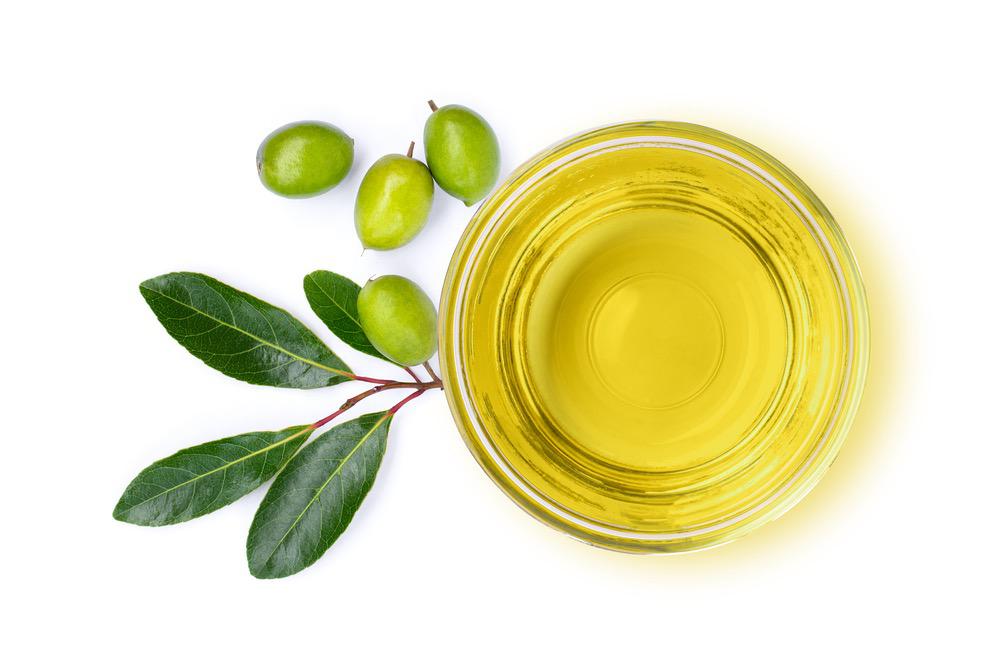
Olive Oil Benefits
We at Natures Garden know the importance of understanding your ingredients. Any great business owner or at home crafter should know the properties of their supplies to create amazing products with purpose. Whether you are attempting to soothe your dandruff, clear your pores, or moisturizing your dry skin, you need to be able to choose the ingredients that will help you in your given situations. So, we would like to share with you some great olive oil benefits for all kinds of products and situations. This will give you a better idea of how this oil can work for you and your products. Thus, you will be able to find the perfect blend of ingredients to create something perfect for your situation. So, get informed and start crafting!Olive Oil Benefits For Your ProductsSince you are going to want your products to serve a purpose and be the best it possibly can, you will want to understand what your ingredients actually do. While olive oil will provide your products with some amazing properties, not everyone may want these properties for their products. This is simply because each product is made for a different purpose. But, there are quite a few people that can really benefit from products that contain this cosmetic oil. So, check out the properties that olive oil can provide your soap with to see if this is the oil for you!Olive Oil Benefits in Homemade SoapFirst, you can use this cosmetic oil to perfectly craft your homemade soap. Just like any other soaping oil, olive oil has some specific properties that it can provide to your homemade soap! One type of soap that you can create with this oil is called Castille Soap, which is a bar that only includes olive oil. This bar of soap is occasionally referred to as Baby Soap, as this oil provides a very conditioning and sensitive bar of soap. This bar would be very soft since this soaping oil is full of fatty acids that are great for your skin. Another type of soap that you can create with this oil is called Marseille Soap, which includes 72% or more of Olive Oil in the overall recipe. While these two methods for creating soap recipes that are great for moisturizing, these bars may be considered to be a bit more slippery than a typical bar. So, many soap makers will create soap recipes that use other oils along with olive oil. This way you can have a bar that is conditioning with other qualities that are important to you for soap!Olive Oil Benefits for Making LotionAlso, olive oil is great for nourishing dry skin! This cosmetic oil contains essential nutrients, like Vitamin E, that the skin needs to be healthy. This oil will soften, smooth, and nourish your dry or damaged skin. So, adding this oil to your homemade body lotion would add in this extra moisturizing power. Further, this oil is less likely to clog your pores and is able to sink deep down into the skin. So, your lotion will not just sit on the top layer of the skin with a greasy film. Instead, this oil will nourish the skin all the way down and promote healthy growth. Plus, your lotion would be perfect for more skin types, as your lotion recipe would be more compatible with more sensitive skin type.Olive Oil Benefits in Homemade ConditionerAlso, olive oil is a great cosmetic ingredient for adding to your homemade conditioner recipes. This amazing oil is perfect for moisturized, softened, and healthier hair growth! This oil is especially wonderful for helping soothe brittle or thin hair types, as this oil has been known to strengthen your luscious locks. All you have to do is to add a bit of this cosmetic oil to your homemade conditioner recipe and you will have gorgeous locks in no time at all! The combination of this deeply moisturizing oil with your other typical hair oils is a perfect blend for a more moisturizing conditioner. So, this cosmetic oil is perfect for growing hair that is thick, healthy, and luscious.Olive Oil Benefits for Lip Care ProductsThe best types of lip balm both moisturize your lips and protect them! So, you will definitely want to add in some olive oil to your own homemade lip balm recipes! This oil is especially wonderful for helping to soothe chapped, dry lips. While this oil alone won't last quite as long as other oils may, it is a perfect ingredient to pair with a long lasting oil. This oil has amazing moisturizing power that will care for your lips even in the worst, coldest weather. This combined with a few other oils that are just as wonderful will create quite an amazing lip balm recipe!Olive Oil Benefits For Homemade Shaving CreamAnother great bath and body product that you can create with this amazing oil is some diy shaving cream. Since olive oil is a moisturizing, thick, luscious oil, it is the perfect choice for protecting your skin as you shave. So, using this oil in either a recipe for shaving cream or shaving soap would be a great idea. Furthermore, a recipe for shaving that includes this cosmetic oil will moisturize and care for your skin. So, you have the benefits of lotion and you won't have nicks from your razor. It is a win all around!Olive Oil Benefits For Your BodyOf course, any great product needs to benefit your body in some way. Luckily, this is one of the reasons why olive oil makes such a great ingredient for your homemade bath and body products. Whether you are making lotion, soap, conditioner, or anything else for your body, this cosmetic oil is sure to have you covered. With its conditioning, softening, and healing properties, olive oil cares for your skin the way it deserves! Obviously, this means that you will be pampered with full moisturizing power and loving care of a sensitive cosmetic ingredient. So, check out the benefits that olive oil has for your body below.Olive Oil Benefits DandruffDandruff is truly a pain to deal with and can be hard to control. While some find dandruff to be gross, this is just what naturally happens when your skin gets too dry. Just like the rest of your skin, your scalp needs to be moisturized and cared for. However, it can be easy to forget this because we expect our natural oils to keep up. But, these oils could be getting stripped due to your shampoo. So, you may need something to rejuvenate your scalp and balance your healthy oils. One way you can moisturize this skin and eliminate your dandruff is to try out some olive oil in your hair care regimen. Just know that it can take a few washes to remove the extra oil from your hair. But, it is absolutely worth it to moisturize your scalp and hair for only a few extra washes!Olive Oil Benefits Promotes Healthy SkinSince olive oil contains a variety of nutrients that are perfect for the skin care, it is great for making your skin look vibrant and healthy! So, this is a perfect ingredient for your skin. Not only will this cosmetic oil help you obtain the glowing skin you always knew you had, but this oil is said to soothe and protect against many skin conditions. The nutrients in olive oil are said to help improve issues with acne, or inflammation. Some have even found this oil to protect your skin against psoriasis. However, we can't guarantee that olive oil can prevent these serious conditions. So, olive oil may be a cosmetic wonder that is perfect for achieving flawless skin.Olive Oil Benefits for Wrinkles and Sagging SkinRepeated use of this cosmetic oil may actually be able to help reduce certain signs of aging! First of all, the moisturizing strength of this oil rejuvenates your skin cells. Not only does this luxurious cosmetic oil moisturize your skin, but this lovely ingredient contains various vitamins and nutrients that are perfect for beautiful skin. These nutrients include vitamins A and E as well as nutrients that have been known to have anti aging properties. These lovely nutrients can actually help to smooth and lessen any existing wrinkles that you may have! So, this cosmetic oil would be perfect for creating a natural face cream.Olive Oil Benefits Removing Make UpFurther, olive oil is great for removing all of your stubborn make up. First of all, this wonderful oil is perfect for removing make up from your eyes and is even good enough to remove waterproof mascara. While this product isn't too harsh for your skin, it is able to dissolve and remove makeup very well! Also, this cosmetic oil is sensitive enough to use around your eyes. Not only will olive oil function as a perfect makeup remover, but this oil will moisturize your skin, too. This means that you can have healthier, younger looking skin just by removing your makeup at night. So, its something you are already doing, making this cosmetic oil is perfect way to shorten your beauty routine!Olive Oil Benefits Soft ExfoliationAnother great way to use olive oil is as a light, natural exfoliating agent. Since this oil isn't harsh on skin, it would be a perfect way to rejuvenate your face! This oil will lightly remove all the dead, dry skin and reveal the healthy skin below. Thus, this cosmetic oil will leave you with a refreshed face that has all its dry skin removed. Olive Oil Benefits Beard CareNot only is this cosmetic oil great for your head hair, but olive oil is perfect for taking care of a beard! First of all, this wonderful oil will add a healthy shine to your beard hair. This is specifically great for scruffy or dry beards but can add to the glory of even the healthiest beards. Additionally, this oil is very moisturizing and can sink down into the skin beneath your beard hair! So, olive oil will provide you with a healthy base of properly cared for skin. Not only will this reduce any potential for dandruff, but this will help you grow a healthier beard. In fact, we included this oil in both our Beard Balm Recipe and Beard Soap Recipe. So, you know that we believe that this oil is a worth while ingredient for your beard care creations.Olive Oil Benefits Delicious Foods with Olive OilNot only is this oil great for your skin and hair, but the inside of your body can benefit from Olive Oil, as well! This oil contains healthy fats, antioxidants, and even anti inflammatory nutrients. So, eating Olive Oil may be a great way to help you stay healthy. If you are interested, then check out California Olive Ranch's Olive Oil Recipes. They have all kinds of ideas for incorporating this lovely oil into your diet that vary in everything from appetizers to desserts. Also, they have a few unique ideas for beverages. So, check it out and find something delicious!Natures Garden sells our cosmetic oils for external use only. We do not sell them as food items. The information we provide is for educational purposes only. This information is not intended to diagnose, cure, treat, or prevent any disease. This information has not been evaluated by the Food and Drug Administration. Natures Garden accepts no responsibility (written or implied) for any products you make with our cosmetic oils. All testing is the responsibility of the customer.
Article
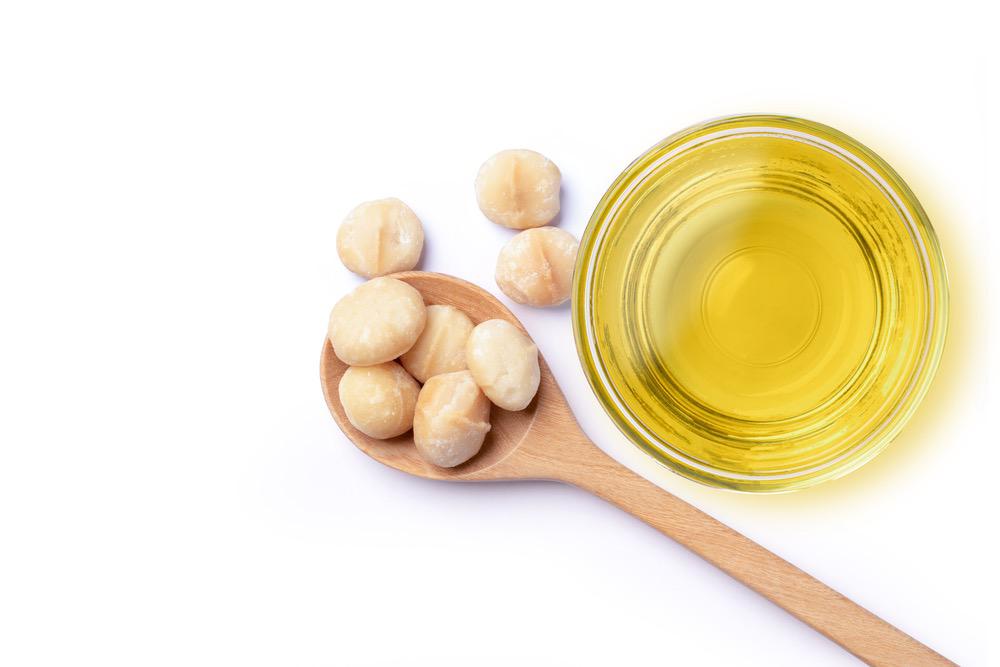
Macadamia Nut Oil Benefits
There are tons of great ways that you can use a wonderful cosmetic oil. Not only are these types of oils great for moisturizing the skin, but they are essential for making effective homemade cosmetics. But, the oils that you choose depend on the type of product you want to create and the properties that you need it to possess. Each of these oils have unique properties that can add some extra benefits to your recipes. There are so many different properties that a good cosmetic oil can provide. So, we would like to share with you some of the macadamia nut oil benefits for your body and products.Macadamia Nut Oil Benefits For Your Homemade ProductsYour bath and body products will change based on the different oils that you include in the recipe, so you can create unique products that perform exactly how you need. This cosmetic oil has quite a few wonderful properties for your homemade products. Adding some macadamia nut oil to any of your bath and body recipes will add some amazing properties to your products. So, let's talk about some properties that this carrier oil can provide to your various bath and body recipes.Macadamia Nut Oil Benefits For Making Your Own SoapFirst of all, you can create your own soap from scratch with this skin-loving oil. This wonderful cosmetic oil can be used to make soap that is more conditioning and moisturizing than a typical bar of soap. Further, adding Macadamia Nut Oil to your soap can add some hardness to the bar and create a creamier lather. Also, macadamia nut oil will be absorbed into the skin easily. This means that the soap won't leave a greasy feel on your skin. Further, it has been reported that this oil is perfect for rejuvenating older skin. If you want to try this cosmetic oil, we used this cosmetic oil in our Lavender Cold Process Soap Recipe and our Hot Fudge Brownies Cold Process Soap RecipeMacadamia Nut Oil Benefits for Making Lip Care ProductsAnother great way for you to use this wonderful cosmetic oil is creating homemade lip care products. Macadamia Nut Oil is a perfect addition to your lip care products, as this oil is perfect for moisturizing. First, this cosmetic oil will be absorbed by the lips easily and will be able to nourish and protect your lips. Also, this oil will contribute to your product having an amazingly smooth glide, which allows these softening oils to care for and protect your lips. If you would like to try this oil for yourself, then you can test out our Mango Madness Lip Balm Recipe.Macadamia Nut Oil Benefits for Creating LotionAdditionally, you can perfectly use this cosmetic oil to create amazing homemade body lotion. In fact, you can create lotion that is luscious and moisturizing. Further, the cosmetic oil will sink deep down into your sink. Not only will you not have a greasy layer on your skin, but the oil will be able to provide nourishment to deeper layers of your skin. You can try out this lovely cosmetic oil by using either our Shea Lotion with Herbal Infusion Recipe or our Glamour Girl Lotion Recipe. Another option you have for creating some delightful skin care is our Almond Body Cream Recipe.Macadamia Nut Oil Benefits for Making Homemade Facial ProductsAlso, you can use this cosmetic oil to create some amazing products for your face. This lovely cosmetic oil is perfect for moisturizing your skin. Further, the oil is sensitive enough to be used on the face without causing any issues. Since this is a light cosmetic oil, it won't clog your pores or lead to any break outs. Plus, this cosmetic oil has been known to be amazing for helping to deal with acne breakouts. So, this delightful oil will help to rejuvenate you skin and will leave you with a healthier complexion. If you would like to try out a facial recipe with this cosmetic oil, then you can try out our Activated Charcoal Scrub Recipe.Macadamia Nut Oil Benefits for Making Homemade ConditionerPlus, you can create some wonderful hair care products with this luxurious cosmetic oil. This luscious cosmetic ingredient is perfect for adding to your recipes for hair conditioner or even deep conditioning hair masks. With macadamia nut oil, your homemade hair care recipes will be able to protect your hair from damage and split ends. Plus, this cosmetic oil will help you to moisturize and nourish each strand of hair from root to end.Macadamia Nut Oil Benefits for Bath Bombs and Bubble BarsAnother great way to use this lovely cosmetic oil is to create bath products, like bath bombs or bubble bars. This oil will care for your skin and add the conditioning properties that these recipes need. While these products are fun, fizzy, and gorgeous, you need to make sure that your skin is well cared for, too. This cosmetic oil will condition and nourish your skin, so you can sit back to enjoy your creation! Also, you can try out a few of our bath products that include this cosmetic oil, which are the Sugar Plum Bath Bomb Recipe and the Blackberry Bling Bling Bubble Bar Recipe.Macadamia Nut Oil Benefits For Your BodyOf course, your bath and body creations will need to be able to care for your body in some sort of way. You will only have amazing products if they are able to moisturize, nourish, or rejuvenate the body. Otherwise, your homemade recipes won't be need, regardless of how pretty they may be. Luckily, macadamia nut oil is a perfect cosmetic oil for caring for your body. So, since this cosmetic oil will provide your products with some amazing benefits, that is why we are going to share the wonderful benefits that this macadamia nut oil can provide for your body!Macadamia Nut Oil Benefits for Moisturizing the SkinOf course, this carrier oil is perfect for conditioning dry, cracked skin. This fabulous oil is perfect for calming dry skin and leaving your body feeling soft and moisturize. Not only will macadamia nut oil provide your skin with nutrients, but it is sure to absorb quickly into the deepest layers of the skin. This means that the oil will sink deep down and nourish the skin. Plus, the lovely oil won't leave a greasy feeling on the skin. So, you won't have to wait a long time for macadamia nut oil to begin to nourish your skin.Macadamia Nut Oil Benefits for Preventing WrinklesYou can also use this lovely cosmetic oil to reduce certain signs of aging. Since macadamia nut oil is perfect for nourishing your skin, this cosmetic oil will care for your skin by rejuvenating the collagen. This collagen helps holds the shape of your skin and nourishing this part of the skin will help to reduce and smooth wrinkles and fine lines. So, including this skin nourishing oil in your daily skin care will help to make your skin look healthy and beautiful.Macadamia Nut Oil Benefits for Helping With AcnePlus, this wonderful cosmetic oil is great for those that are dealing with acne break outs. Macadamia nut oil will provide your skin with linoleic acid, which has been said to help with reducing acne. Some dermatologists have found that lack of this nutrient can result in a higher chance for acne and break outs. Plus, even severe acne has been know to be helped by increasing this specific nutrient. So, using this cosmetic oil in your typical facial care regimen may help regulate your imbalance and prevent break outs.Macadamia Nut Oil Benefits for Reducing ScarsYou can use reduce any noticeable scars with the nourishment of this cosmetic oil. Since the lovely macadamia nut oil contains various nutrients, it is perfect for rejuvenating your scarred skin. While scars will fade naturally overtime, adding the nutrients that your skin needs can help to speed up this process. So, adding a cosmetic oil that has a high concentration of nutrients will help you fade these marks more quickly.Macadamia Nut Oil Benefits for Gentle Makeup RemovalAlso, you can use this lovely cosmetic oil to remove stubborn makeup from underneath your eyes and around your face. Macadamia nut oil is gentle enough to use around your eyes and will still remove all your left over makeup. Plus, this it will moisturize and nourish your skin to provide you with a clean, healthy looking face. So, this cosmetic oil is perfect for cleaning up and conditioning your face.Macadamia Nut Oil Benefits for Preventing Razor BurnAnother way that this oil can be useful is by preventing razor burn while you're shaving. Macadamia nut oil is perfect for protecting your skin as you shave. So, you will be less likely to get scrapes, bumps, or burns. Further, you can use this cosmetic oil after your shave. This will soothe your skin to help prevent any irritation from your razor. So, you can have smooth, hairless skin without the draw backs of irritated skin!Macadamia Nut Oil Benefits for Your FacePlus, this cosmetic oil is wonderful for moisturizing your face. This cosmetic oil is similar to the natural oils, sebum, that your body produces, so it is perfect for adding to your dry skin. Further, the similarity allows you to moisturize this sensitive skin without clogging your pores or irritating your facial skin. So, this cosmetic oil is perfect for rejuvenating your face and creating a healthy glow.Macadamia Nut Oil Benefits for Conditioning Your HairOf course, this wonderful cosmetic oil is perfect for moisturizing and nourishing your hair. Macadamia nut oil is full of nutrients that are amazing for your hair care. This carrier oil will add nutrients that will soften and protect each strand of hair. So, adding this ingredient to your hair care routine will lead to healthier looking, beautiful hair!Macadamia Nut Oil Benefits for Protecting Your LocksAnother great benefit that macadamia nut oil has for your hair is preventing damage. This oil will reinforce each individual strand of hair to help make your hair stronger. So, this oil will really benefit anyone with brittle or damaged hair. This cosmetic oil is especially beneficial for hair that has been damaged from either heat or chemicals. While you want your hair to be gorgeous, eventually your hair will need some extra care. Further, this cosmetic oil would be perfect for those that want to grow their hair long, as this oil will help prevent your hair from breaking.Macadamia Nut Oil Benefits for Reducing Frizzy HairPlus, you can use the macadamia nut oil to help you reduce frizzy hair and fly away hairs. Adding this lovely cosmetic oil to your homemade hair care products is a perfect remedy for fixing rough, frizzy hair. The nutrients in this lovely oil will help reduce frizzy hair, as this will provide your hair with the nutrients that would protect and care for your locks.Macadamia Nut Oil Benefits: Delicious RecipesNot only is Macadamia Nut Oil wonderful for the outside of your body, but you can benefits form eating this cosmetic oil, too. While our cosmetic oils aren't food grade and can't be used in food recipes, Macadamia Nut Oil is healthy and delicious. You can try out some recipes with Macadamia Nut Oil on the Yummly article Macadamia Nut Oil Recipes.Macadamia Nut Oil Benefits: Contact UsWe hope that you enjoy this lovely cosmetic oil in your homemade bath and body creations. If you would like to share your favorite ways to use Macadamia Nut Oil in your products, then you can easily find us on social media. We are on Twitter and Instagram @ngscents. Also, you can talk to us on the Natures Garden Facebook page. Hope to hear from you soon!Note: Natures Garden sells our cosmetic oils for external use only. We do not sell them as food items. (The information we provide is for educational purposes only. This information is not intended to diagnose, cure, treat, or prevent any disease. This information has not been evaluated by the Food and Drug Administration). Keep all cosmetic oils out of reach of children and pets. Special care should be taken by pregnant and/or lactating women when handling herbs. Natures Garden accepts no responsibility (written or implied) for any products you make with our cosmetic oils. All testing is the responsibility of the customer.
Article
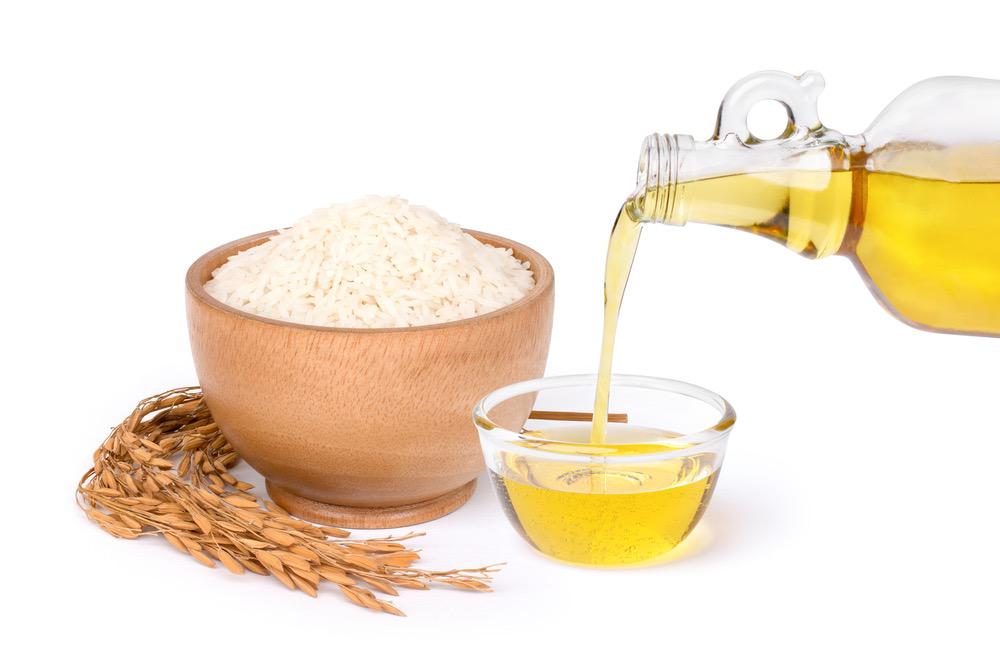
Rice Bran Oil Benefits
This lovely oil from Natures Garden is perfect for making all kinds of homemade cosmetics. Not only can this oil be used in your homemade products, but rice bran oil contains various nourishing vitamins and minerals that are wonderful for the skin. So, there are many rice bran oil benefits that you can utilize in your handcrafted products. This means that your products will be able to utilize this oil's properties and become more beneficial to the body! So, let's check out all of the wonderful properties of rice bran cosmetic oil and see exactly how this ingredient can fit into your products!Rice Bran Oil Benefits Where Does This Oil Come From?This lovely, cosmetic oil is derived from the brown rice chaff. Actually, it is created from the inner husk of the rice. This portion of the rice is cold pressed into the wonderful oil we all know and love. This rice based oil is used in many different kinds of recipes. Everything from cooking to making soap can effectively use rice bran Oil. This widely used ingredient contains all kinds of nutrients that your body can benefit from both on the inside and outside. So, adding this oil to your homemade bath and body products would be a fantastic idea!Rice Bran Oil Benefits For Your ProductsOne way that you can benefit from the qualities of rice bran oil is to incorporate it into your amazing bath and body products. This cosmetic oil is perfect for adding some nourishment to your body. While this oil is amazing on its own, rice bran oil is perfect for adding to products. The only thing better than a single oil that contains nutrients for your body is a perfectly crafted product that includes this lovely oil! So, check out some of the benefits that this cosmetic oil can provide to your bath and body products.Rice Bran Oil Benefits Making Cold Process SoapRice bran oil will be perfect for creating handmade soaps. Just like any other soap ingredients, this soaping oil provides unique properties for your recipes. Specifically, this oil will provide all kinds of amazing qualities for your bars. For one, this cosmetic oil will provide conditioning properties. This property will moisturize and care for your skin perfectly! Also, you will find soaps with this oil to have a creamier lather. Finally, this oil adds a bit of hardness to your bar. Many soap makers have found that this oil is similar to how Olive Oil works in soap. Additionally, rice bran oil is a soaping oil that is nice for sensitive skin. So, you will have a more nourishing and creamy bar of soap!Rice Bran Oil Benefits Creating LotionsAlso, adding this cosmetic oil to your homemade lotion would be a wonderful idea! Anyone that is making their own body lotion recipe has one goal in common. We are all looking to create a recipe that will effectively moisturize your skin. Luckily, rice bran oil benefits your lotion perfectly as it is a great choice for moisturizing the skin. Rice bran oil will sink deep into the skin and nourish your skin cells. Further, this oil is known to absorb fairly quickly. So, you won't end up with a greasy film on the top layer of your skin. This means that rice bran oil would make a perfect addition to a lotion recipe that would moisturize and nourishing without leaving an oily residue.Rice Bran Oil Benefits Making Homemade Hair ConditionerSince rice bran oil is wonderful for the skin, you can imagine that its impact on your scalp and hair would be great, too. Also, you would be so right! This cosmetic oil is perfect for promoting healthy hair. First of all, this oil is wonderful for the scalp. This cosmetic ingredient will level out the natural oils on your scalp, lead to thicker hair, and nourish the roots of your hair. Second, the nutrients in this oil will positively impact your hair, too. This cosmetic oil will reduce split ends and strengthen your strands. So, rice bran oil will strengthen your hair and lead to healthy hair growth!Rice Bran Oil Benefits For Your BodyAnother fantastic reason as to why you should use rice bran oil is all the benefits that it contains for the body. In fact, this should be one of the most important reasons because these products should be all about caring for our body! The benefits in this potential ingredient come from the various vitamins, minerals, and healthy fats that this cosmetic ingredient contains. This means that you can use these various nutrients to perfectly nourish your skin and hair. So, you can check out some of the ways that this cosmetic oil can benefit your skin, hair, and entire body.You will love how rice bran oil benefits your body! Rice Bran Oil Benefits Solution for Dry SkinFirst of all, rice bran oil is perfect for moisturizing your skin. Your stubbornly dry skin doesn't even have a chance! This cosmetic ingredient will provide your skin with a deep conditioning nourishment. In fact, this oil is able to sink down deep into your skin to take care of it all. This will leave you with healthy, smooth skin that you will love! Plus, this cosmetic oil is not as oily or greasy as many other oils. This means that rice bran oil will not leave the oily residue on the surface of your skin. This moisturizing oil will sink in quickly. So, you get all the moisture without leaving your skin oily afterward. Between quickly sinking into the skin and its moisturizing power, this cosmetic oil is perfect for providing your skin with the nourishment that it truly deserves!Rice Bran Oil Benefits Anti InflammatoryFurther, it is thought that the addition of this cosmetic oil would make an effective anti inflammatory product for your skin. So, rice bran oil can really come in handy for those dealing with this uncomfortable issue. Many believe that some of the nutrients in the rice bran oil, which includes the Phytosterols, are perfect for soothing the skin. These nourishing properties can help to reduce issues like eczema, poison ivy, rashes, and many other skin ailments that involve inflammation for some. So, take a chance on the lovely rice bran oil benefits to soothe the itching, dryness, pain, and constant desire to scratch!Rice Bran Oil Benefits Speed Up Hair GrowthAlso, this cosmetic oil is perfect for promoting faster, healthy hair growth! The components in this oil perfectly nourish the hair to ensure that your hair is strong enough to grow out long. First of all, this cosmetic oil will strengthen your individual strands. This will allow your hair to grow longer and faster than when it was damaged or lacked nourishment. Further, the nutrients in this oil will lead to more nourished roots and stronger hair. So, the Ferulic Acid, Esters, and Vitamin E Oil are perfect for stimulating your roots and hair growth. You are going to love the benefits that this oil has for your hair!Rice Bran Oil Benefits Normalize Hair OilDo you have to wash your hair every day just to keep up with your oily scalp? Your hair may even start to get greasy before your day is over! You may think that you are just cursed with super oily hair, but some of this issue may be able to be reduced. All you need to nourish your scalp, which you can do with the help of rice bran oil! Now, this may seem crazy, like you are just adding more oil to an oily situation, but it's what is in this cosmetic oil that counts! You can use this cosmetic oil perfectly on your scalp, as this oil will help your natural oil reach a better balance. This will lead to a more normal production of your own natural hair oils. Thus, breaking the so called curse!Rice Bran Oil Benefits Anti-Aging Effects on the HairNot only is rice bran oil great for growing your hair out, but this cosmetic oil will help reduce your hair's natural signs of aging. Some of the nutrients in this cosmetic oil, like the Vitamin E Oil, are perfect for helping keep grey hairs at bay. This oil allows you to provide the right nutrients to protect against premature grey hair. So, you don't have to worry about any grey hairs. Although you can't entirely prevent the process of natural aging, you can put off getting grey hair for some time. So, you can put off getting your grey hair for the time being! However, don't feel as though you have to hide from your grey hair, embrace it! In fact, grey hair can be beautiful! It's all about what you are comfortable with for yourself. These lovely women decided to be bold and chose to embrace their grey hair! You can keep your hair looking as it has in the past or you can rock this new life change. Either way, love your gorgeous locks! Rice Bran Oil Benefits Wrinkle Reducing in SkinFurthermore, these anti aging effects can be beneficial for your skin! While wrinkles will naturally happen over time, there are a few things that we can do to reduce their effects. The nutrients in the oil will sink deep down into your skin to create healthier skin that is able to fight wrinkles. For example, the Vitamin E in rice bran oil is great for reducing wrinkles and fine lines, This vitamin is able to help reduce these signs of aging because Vitamin E boosts important skin functions, like cellular regeneration. This leads to healthier skin that is able to retain a more smooth complexion. Rice Bran Oil Benefits Far More Than HypoallergenicAnother wonderful benefit of this cosmetic oil is that it is sensitive enough for all skin types. So, this oil is a more versatile option for your products that is more likely to agree with all skin types. Further, this lovely oil is even said to lower your body's response to your normal allergies. It is said that eating rice bran oil can lead your body to be less sensitive to any allergens that you may have hyper-sensitivity to. However, we highly suggest that you only use this oil as a precaution. It would not be wise to actively seek out any allergens after ingesting this oil. While it may be true that this oil reduces your body's reaction, we can't guarantee that your body would have no reaction at all.Rice Bran Oil Benefits Using This Oil in Room Scenting RecipesFinally, this cosmetic oil can even be used in your room scenting recipes. You can add rice bran oil to melted candle wax. The oil will thin the wax out enough to create a gel potpourri that can be added to your room scenting burners. Two examples of this are the Shimmer Gel Potpourri Recipe and the Vanilla Liquid Potpourri Recipe from Natures Garden. This gel is so easy to use, just squeeze a bit of the gel into your burner, and turn it on. Click on the links for a step by step tutorial for each of these room scenting ideas. Natures Garden sells our cosmetic oils, like rice bran oil, for external use only. We do not sell them as food items. The information that we provide is for educational purposes only. This information is not intended to diagnose, cure, treat, or prevent any disease. This information has not been evaluated by the Food and Drug Administration. Keep all cosmetic ingredients out of reach of children and pets. Special care should be taken by pregnant and/or lactating women when handling cosmetic oils. Natures Garden accepts no responsibility (written or implied) for any products you make with our Rice Bran Oil. All testing is the responsibility of the customer.
Article
Making Cold Process Beer Soap
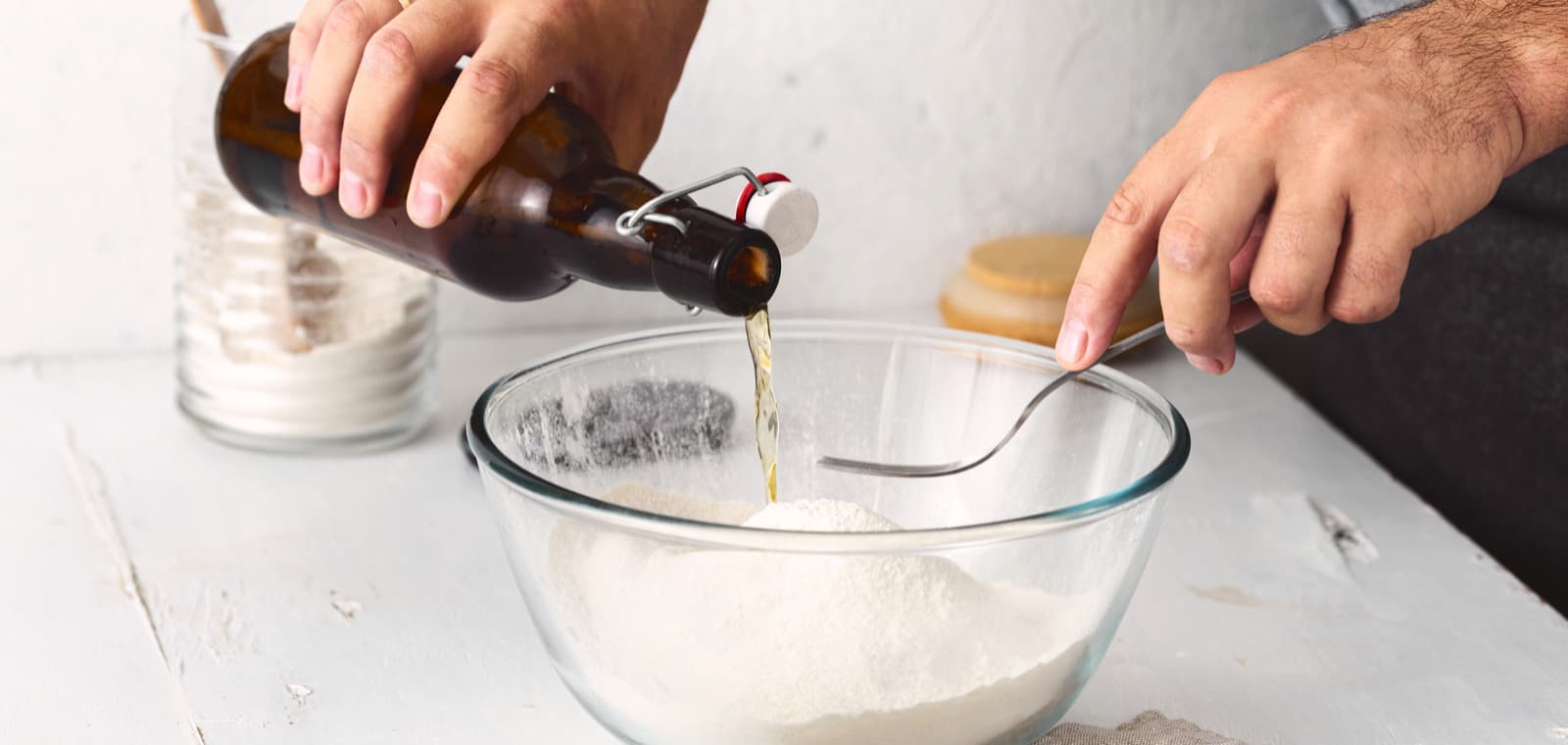
Soaping with beer involves a few extra steps, but is totally worth the effort!Some times the littlest things- like the addition of a unique ingredient to your recipe- converts to major sales of your product. Beer would happen to be one of those ingredients.But, what exactly is it about Beer in Soaps?There is no straight forward answer to this question. Some people are just amazed by Beer Soap because it was made with beer. For some, they look at beer soap and can instantly list 10 people that love beer and therefore would get a kick out of beer soap. For others, they seek out the thick and super creamy elements that a bar of beer soap provides them every time they wash. And, even still there are others out there that know the great conditioning aspects that beer soap contributes to their skin. The list of reasons is limitless, but one thing is for sure Cold Process Beer Soap does get attention!Soaping with BeerPlease Note: Soaping with beer is a more advanced process. Therefore, if you are new to soaping, you may want to sidebar this recipe until you are completely comfortable with the soaping process and have a few cold process soap batches under your belt.Recently, we decided that we had to give cold process beer soap making a try. As we found out, the addition of beer to a soaping recipe is not something that can be taken lightly or on a whim. First things first; one of the most important steps in prepping your beer soap recipe is removing all of the carbonation from the beer itself. This is extremely important to the soap recipe because beer is used to replace the full water portion of your recipe. When adding the lye to a beer that is still carbonated you just don t get a volcano, the volcano you get is supercharged with bubbles (carbonation.) This is why you want a flat beer before beginning to soap.One of the best ways to remove the carbonation from the beer is to let it set out for 3 days. You do this by opening the can, pouring it into a bowl, and occasionally stirring it throughout the 3 days. A good rule of thumb to use is every time you enter the room that the beer is setting in, give it a stir.The next step in preparing your beer is the boil. After the three days have elapsed, place your beer into a pot on the stove top and boil it and simmer for 30-40 minutes, stirring occasionally. This step is also taken as a precaution to eliminate any leftover carbonation.The final step after the boil is to freeze the beer. Let the beer temperature drop to room temp, then carefully place the beer in an empty ice cube tray and freeze overnight. This step is beneficial in two ways- eliminating carbonation (once again) and offsetting the high temperature for when the lye is added to the frozen beer.Once the beer is frozen, it is now ready for soaping use.Now, when adding the lye to the frozen beer, the best precaution to take (besides the regular safety gear and steps) is to mix this portion of the recipe in a deep bowl or pitcher in the sink. This way, if there is any chance of a volcano effect taking place the sink will minimize the affected area. Now, the other special note to be aware of in this step is the adding of the lye. Because the beer is frozen, the lye (as it reacts) will melt the beer. You want to constantly stir the beer cubes around after each small spurt of lye is added. This will become easier as the frozen beer melts into a liquid. Keep adding the lye in small amounts until all is used. And, stir until you are sure that all the lye is dissolved. Also, it should also be noted, there is quite a distinctive odor that is given off by the beer/lye solution- you will want to definitely want to make sure that you are in a well ventilated area.The rest of the soaping recipe steps take place as normal.In the EndSoaping with beer was a new experience! The end results are simply amazing. The color of the bars is a perfect beer hue. The lather of the soap bar truly is thick and creamy. And, after bathing with it, your skin feels soft and supple. Cold Process Beer Soap is worth the extra steps.Since the beer is added as the water portion of the recipe, you can use your favorite cold process soap recipe. However, if you would like a Cold Process Beer Recipe, Natures Garden has one listed under their free recipes and classes section of their website. Or, you can simply click here to see the 4 pound Beer Soap Recipe.

Article
My Candles Have No Scent Throw
If there is one thing that candles are known for is their scent. In fact, the majority of candle sales are based on the scent given off from the candle. This is true for both first-time sales as well as repeat customers. When a candle has never been lit, the aromatic aroma that the wax gives off is called the cold scent throw. Adversely, when the wick of the candle is lit, the fragrant smell that is released from the candle is called the hot scent throw. Both the hot and cold scent throw are very important to candles.Obviously, when it comes to scent issues, your first thought is to turn to the fragrance oil used. However, as long as you are purchasing your candle making supplies from a reputable company, the fragrance oil that you use is not the culprit. There are actually several different things that can inhibit your scent throw.Soy Wax- If you have been in the candle making market long enough, you already know that soy wax is considered to be one of the hardest of the waxes to attain a good scent throw from. On the molecular level of how soy wax is structured, there are many different types of chemical bonds. These chemical bonds trap the fragrance oil instead of allowing the fragrance oil to be readily evaporated (like paraffin wax allows). Many people suggest that when using soy wax to make it a blend with Paraffin. This is referred to as a para-soy blend. There are a variety of different para-soy blends on the market. If you would like to blend your own para-soy blend, massive testing is involved to find the perfect candle you are seeking. However, Natures Garden offers one of the best para-soy blends on the market. Using Joy Wax as your candle wax will allow you the best of both worlds; clean burning candles with amazing scent throw both hot and cold, without having to recreate the wax wheel.Wick- Soy wax requires a hotter burning wick. This is because of the chemical bonds. These chemical bonds take more heat to break them down. To solve this dilemma, increase your wick size. This will ensure that your candle wick is doing its proper job of breaking down the chemical bonds, allowing the trapped fragrance oil to become volatile and release the scent into the air. No matter what type of wax you are using, always make sure that your wick size is large enough to provide ample hot scent throw, but not too large to create a fire hazard.Candle Colorant- You must remember when crafting your candles, use precaution when adding any colorant. When you add too much colorant to your wax, you risk both clogging your wick, as well as, affecting the overall scent of the candle. Specific candle dyes formulated for candle making should be used when making candles. Never use pigments to color the interior of your candles; pigments should be used only for dipping the exterior of candles.Vybar- Yes, it is true that the addition of this candle additive will increase your candles scent throw. However, adding too much vybar to your candle wax will inhibit your candle throw as well. The proper amount of vybar to add per pound of wax is tsp to tsp.Temperature- Depending on the flashpoint of the fragrance oil being used, adding your fragrance oil at too high of a melted wax temperature will directly affect your scent throw of the finished candle. It is completely possible to burn off the majority of your fragrance oil before it even has a chance to be a candle, when the fragrance oil is added at too hot of a temperature.Cure Time- Cure time is one key step to ensuring a wonderfully strong scent to your candles. You want to allow ample time for your wax and your fragrance to bind together. You truly want these two components to be integrated into each other. At the minimum, cure time with candles is 3-4 days.Fragrance Oils- When making candles, make sure that the fragrance oils you are using were formulated for candle making. You never want to use a fragrance oil that has been diluted with diluents like DPG (di propylene glycol). DPG will directly affect the strength of your fragrance, and will inhibit the ability of your candle to burn. On the other hand, some essential oils will need to have diluents added to them to allow them to travel up the wick and release scent (but never use DPG as your diluent in candles). Natures Garden was voted the #1 Favorite Fragrance Oil Supplier by candle makers and soap makers in 2012 due to the quality of our fragrance oils. With 16 years of expertise in the fragrance oil market, you can rely on Natures Garden to provide you with the finest, most unique fragrances.
Article
Natural Soap Making Supplies
Natural cosmetic ingredients are a fantastic way to create quality homemade cosmetic recipes. If you are looking for some quality natural soap making supplies, then check out the natural cosmetic ingredients from Natures Garden. We have natural scents, natural soap colorants, wholesale herbs, soap bases, and soap making oils. So, take a look at the cosmetic blog below and get started on your natural bath and body recipes!Natural Scents for BodyFirst, you can use one of our many essential oils to naturally scent your homemade bath and body creations. You can use essential oils for both their lovely aroma and their beneficial properties. Now we have even more of these wholesale essential oils that you can enjoy in your homemade soap recipes. So, check out a few of our new natural scents below and even more on our Essential Oils page.Black Pepper Essential OilOne of our new essential oils is the Black Pepper Essential Oil. This strong essential oil can be used in skin care products to increase circulation. Further, this increase in circulation can be useful for hair care as it can stimulate hair growth. So, this wholesale essential oil is a great ingredient to add to benefits of bath and body recipes.Geranium Essential OilAnother one of our new essential oils is the Geranium Essential Oil. This wholesale essential oil is fantastic for protecting the skin as it will delay wrinkles, tighten skin, and cleanse the skin. Further, this cosmetic ingredient can be used to rejuvenate the skin and hair. Therefore, this essential oil is perfect for nourishing your body through cosmetic recipes.Cornmint Essential OilAlso, you can enjoy the refreshing, minty aroma of the Cornmint Essential Oil in your own soap recipe. Plus, this natural soap scent has some anti-inflammatory benefits for the body. So, this essential oil can be used to reduce skin inflammation and even help to fight acne. So, this is a fantastic scent recipe that you can add to your soap making recipe.Natural Cosmetic ColorantsAnother natural cosmetic making ingredient that you can add to your homemade bath recipes is a natural colorant. These are pigmented herbs that can provide your cosmetic recipes with beautiful, natural hues. If you want to try out these cosmetic colorants, then check out our Natural Soap Colors page.Hibiscus Flower Powder One great herb that you can use as a natural colorant has a natural red pigment. This means that you can use the Hibiscus Flower Powder to give your products a pretty pink or red color. Not only does this cosmetic herb provide a gorgeous color to your bath recipes, but it will provide your cosmetics with some beneficial properties. In fact, this herb has many benefits that you will love in your natural soap recipe. These properties include rejuvenating skincare properties, acne fighting properties, wrinkle smoothing abilities, and so many more benefits!Activated Charcoal PowderAlso, you can use the Activated Charcoal Powder to naturally achieve a rich black hue. Further, you can add a bit less of the cosmetic herb to get a lighter gray color. Not only does this herb provide a great color, but it has beneficial properties, too. This cosmetic herb is a natural odor absorber and can even help pull dirt away from your skin. So, this is a perfect herb for creating a nice cleansing bar of soap, just like our Activated Charcoal Soap Recipe.Turmeric (Ground) PowderAlso, you can use the Turmeric (Ground) herb to provide a natural pigment to your homemade soap. This wholesale herb can be used to create soap with a pretty yellow color. Not only can you use this powdered herb to naturally color your soap, but this wholesale herb is perfect for providing cosmetic herbs. Adding this cosmetic herb to your soap can provide your recipes with skin care and anti-aging properties. So, you natural soap recipe that may be able to promote healing, fight acne, reducing signs of aging, and provide even more benefits!Wholesale Herbs for Soap MakingNot only can you use cosmetic herbs to color your soap recipes, but you can use whole herbs to decorate your homemade soaps. These herbs can be used to top cp soap loaves, embed in mp soap, and so much more! You can use these herbs to get creative and create beautiful soap recipes. If you would like to find some wholesale herbs to make soap, then you may want to check out our page on Herbs and Spices.Poppy Seed WholeOne whole herb that you can use to decorate your soap is the Poppy Seed Whole. This cosmetic herb can be used to provide an appearance of small seeds in your soap. We have used this herb in our Kiwi Watermelon Soap Recipe, Peppered Poppy Seed Cold Process Soap Recipe, and even more soap recipes. Not only does this herb serve as a lovely decoration, but this cosmetic herb can be used to exfoliate the skin.Lavender Flowers WholeAlso, you can add the whole Lavender Flowers herb to your soap making recipe. These wholesale flower herbs are perfect for decorating your soap. Plus, these flowers will bring a lovely aroma of true lavender. We included this herb in our Lavender Cold Process Soap Recipe. Further, you may find that these flower buds can provide a light exfoliation, too. So, you can create a beautifully scented soap with a pretty appearance and gentle exfoliation.Himalayan Pink Salt HerbYou can use the Himalayan Pink Salt Herb to decorate your homemade soap recipe. This cosmetic salt contains minerals that provide beautiful pink hues. This pretty pink herb is perfect to add to the top of your homemade soap. Further, this wholesale herb is perfect for exfoliating the skin. So, you can enjoy the benefits and appearance of this cosmetic herb in your very own soap recipes.Natural Cosmetic OilsAlso, you can use some of our natural cosmetic oils in your homemade soap recipe. These luscious wholesale oils are perfect for skin care, as the oils are conditioning. You can add this cosmetic ingredient to both melt and pour soap and cold process soap. If you would like to create some nourishing skin loving soap, then you may want to check out our Natural Fixed Oils. On this page, you can choose the best cosmetic oils that will provide your soap with different nourishing properties.Vitamin E OilOne cosmetic oil that is fantastic for your soap making recipes is the Vitamin E Oil. This wholesale cosmetic oil is the purest form of natural vitamin E oil that is available. That means that this soap making oil is derived from only plant sources. This oil is nourishing and will care for your skin. So, this skin loving oil may make a good addition to your homemade soap. Sweet Almond OilAnother great cosmetic oil that you can use to create quality soap is the Sweet Almond Oil. This cosmetic oil absorbs easily into the skin, so it is perfect for conditioning the skin. Further, sweet almond oil is light and non greasy, which makes this oil great for soap making. So, this wholesale soap making ingredient is perfect for making a skin loving batch of soap.Olive Oil If you want to create a very moisturizing batch of soap, then Olive Oil is the perfect cosmetic oil for you. Our cosmetic oil is pomace grade olive oil, which is a thick, rich, green grade of olive oil that is obtained by solvent extraction of the fruit and pits of the olives. This natural soap making ingredient can be used to create a hard bar that is mild and very conditioning. If you love this soap making ingredient, then you may want to try making Castille soap, 100% olive oil, or Marseille soap, 75% olive oil. Whether you use a small amount or nearly 100% of this cosmetic oil, this wholesale cosmetic oil will be sure to moisturize your skin.Melt and Pour Soap Making SuppliesAnother great way that you can make natural soap is with our melt and pour soap base. Our wholesale natural soap base uses quality soap making ingredients that are great for your skin. You can melt down this nice batch of soap and use it with other natural soap supplies to create your own fantastic soap bars. If you want to check out all of our options for mp soap, then check out our Melt and Pour Soap page.Hemp Oil Melt and Pour Soap BaseOf course, you can use the Hemp Oil Melt and Pour Soap to create your very own melt and pour soap recipe. This soap base uses no SLS, no added detergents, no animal testing, and only includes the finest ingredients! This wholesale soap making ingredient includes skin loving oils that your skin will love. Further, this soap base includes hemp oil, which can help balance out oily skin. So, this is a soap base is perfect for making nourishing batches of soap.Honey Melt and Pour Soap BaseAnother great soap making ingredient that you can use to make your soap is the Honey Melt and Pour Soap Base. Like our other mp soap bases, this soap base uses only the finest ingredients. Not only does this soaping recipe use quality cosmetic oils, but this soap base includes real honey. This added honey provides a golden color to the melt and pour soap base as well as conditioning properties. Honey is known to nourish the skin, reduce acne, fight signs of aging, and clean your pores.Yogurt Melt and Pour Soap BaseAlso, you can use the Yogurt Melt and Pour Soap Base to create your own mp soap recipe. This bulk soap base uses only the finest ingredients, which includes cosmetic oils and yogurt. Adding yogurt to your other soaping ingredients will increase the conditioning properties of your bars. Plus, some find that adding yogurt to your soap can help to fight both signs of aging and acne. So, you can use this soap base for making some fantastic mp soap!Why All Natural?If you are looking to create your own all natural bath and body recipes, then you may be interested to learn more about the natural cosmetic industry. There are definite benefits of using natural ingredients in all kinds of beauty products, but there are many factors involved in the natural cosmetic market. Anyone that is curious about this market may want to check out the article What s Driving The Billion-Dollar Natural Beauty Movement? from Fast Company.Reach out to UsWe hope that you enjoyed learning more about the natural soap making supplies from Natures Garden. If you have any questions about any of these cosmetic ingredients, then feel free to reach out to us. You can find us on the phone, in the store, and online. One way that you can find us online is through one of our social media platforms. First, you can find us on the Natures Garden Facebook page. Also, you can use the handle @ngscents to find us on Instagram and Twitter. Not only can you use these social platforms to reach out to us to ask us your questions, but you can share your natural craft recipes. So, we hope that you have enjoyed these natural bath and body recipes and that we hear from you very soon!

Article
Moisturizing Herbs for Hair
When you make your own hair care at home, you can tailor it to suit your exact needs. Whether you have issues with hair loss, dandruff, or other hair care needs, you can create the perfect recipe to fit the needs of your hair! Not only is important for your hair care recipes to use nourishing cosmetic oils, but your hair can benefit from the nourishing properties of herbs, too. The wholesale herbs from Natures Garden are perfect for creating herbal cosmetics for hair that provide the nutrients and moisture that your hair craves. So, you can find the best herbs for personal hair care needs in our cosmetic blog all about cosmetic herbs!Nettle Leaf Powdered HerbFirst, you can include a powdered herb like our Nettle Leaf Powder in your wholesale hair care recipes. This cosmetic ingredient includes a variety of nourishing properties that can benefit your hair. One benefit of the nettle leaf herb is that it can be used to promote new hair growth. The beneficial properties of nettle can provide your moisturized hair with lush and healthy growth. Not only will this nettle lead lead to an increase in hair growth, but this herb can be used to prevent hair loss, too. So, this cosmetic herb can be used to thicken your hair. So, adding this wholesale cosmetic herb can be used to create conditioner recipes that are perfect for great hair care recipes.Aloe Vera Leaf Powdered HerbOne moisturizing herb that you can use to improve your hair care recipes is the Aloe Vera Leaf Powder. This wholesale herb powder will provide your hair care products with all kinds of benefits. First of all, this powdered herb is great for caring for dandruff problems. The enzymes in our aloe vera herb are perfect for nourishing the skin and preventing dead skin on the scalp. Further, this cosmetic herb can help to be used to balance the pH of your scalp to eliminate issues with a dry, itchy scalp. Additionally, this herb can be used to reduce redness, irritation, or inflammation. Also, you can include this herb in conditioners to promote moisture and shine. Furthermore, this herb is perfect for helping to control frizzy hair, add luster, and provide a silky smooth feeling. This herb is great for oily hair without making your hair brittle. Also, this cosmetic herb can be beneficial for people who suffer from alopecia as this herb can help prevent hair loss. Regular use of products that use the aloe vera herb will help to rejuvenate the hair follicles and reduces hair loss.Acerola Berry Powdered HerbAnother great cosmetic herb that you can use to create moisturizing hair care products is our Acerola Berry Powder. The vitamins and minerals in acerola berry are fantastic for hair care! First of all, this powdered herb will provide a gorgeous appearance that is both healthier and richer. Adding this herb to your hair care recipes will help you maintain shine. Further, this herb is useful for hydrating and revitalizing your hair. Additionally, the nutrients in this powdered herb can be useful for helping to prevent hair loss. Plus, this cosmetic herb can be used to care for color treated hair, as this herb can help your hair looking healthy without compromising your hair color. So, you can use this herb to nourish and properly care for your color treated hair.Burdock Root Powdered HerbAlso, you can use our Burdock Root Powder to create some quality hair care recipes. This cosmetic herb can be used to nourish your hair all the way down to the roots. The burdock root herb is perfect for moisturizing and nourishing your scalp. First, this cosmetic herb is perfect for promoting new hair growth. The nutrients you can find in this herb will nourish your scalp and promote healthy hair growth. Additionally, this herb can be used to reduce issues with dandruff. This powdered herb can be used to condition a dry scalp, which will help to reduce flaking. So, this wholesale herb is a fantastic cosmetic ingredient to include homemade shampoo recipes and other wonderful hair care recipes for your scalp.Noni Fruit Powdered HerbAnother fantastic cosmetic herb that you can use to improve your hair care recipes is our Noni Fruit Powder. This moisturizing herb can be used to provide you with beautiful hair. The cosmetic benefits of this herb will provide your hair with hair that is healthy and shiny. Additionally, this cosmetic herb can be useful for preventing hair loss. Furthermore, this herb can nourish your scalp and improve circulation, which will promote quick, healthy hair growth. In fact, this cosmetic herb has been recommended as one of the possible home remedies for hair growth and thickness for cancer patients after chemotherapy to help regrow their hair. Thus, this cosmetic ingredient is one of the many great herbs for hair growth and thickness.Comfrey Root Powdered HerbAlso, adding Comfrey Root Powder to your homemade conditioner recipes can provide you with some great benefits. First of all, this cosmetic herb can be used to rejuvenate your hair. Comfrey leaf powder can be used to nourish and repair hair that has been over-processed or damaged. Also, this moisturizing hair care herb can be used to help to reduce and possibly reverse hair loss. Further, the vitamins and minerals in comfrey root can be used to increase the volume and shine of your hair. Not only is the comfrey leaf herb a great way to naturally nourish your hair, but you can use the beneficial properties of this herb to help fight dandruff. Due to these various beneficial properties, this cosmetic herb would be a perfect cosmetic ingredient for hair care products.Alfalfa Leaf Powdered HerbAnother fantastic cosmetic herb that you can use to create homemade hair care is the Alfalfa Leaf Powder. This wholesale herb is perfect for nourishing both the scalp and hair. This powdered herb is rich with vitamins that are fantastic for healthy hair. So, this cosmetic herb can be used to promote healthy hair growth and help to prevent split ends of hair. Further, the nourishing properties of this cosmetic herb will encourage new hair growth. This alfalfa leaf powder promotes blood circulation of the scalp and nourishes the hair follicles. So, this alfalfa would be beneficial for treating those with hair loss and baldness. Thus, this is a fantastic cosmetic ingredient perfect for creating bath and body recipes that will support thicker and healthier hair growth.Milk Thistle Seed Powdered Herb Also, you can use another of our herbs to enhance your hair care recipes with moisturizing qualities. The Milk Thistle Seed Powder is a fantastic cosmetic herb that nourishes the hair. First, the milk thistle seed herb contains nourishing properties that will promote new hair growth. Further, this cosmetic herb can be used to moisturize and strengthen your hair. Not only does this cosmetic herb strengthen herb, but the nutrients in this herb protect the hair follicles from damage. So, this cosmetic herb can be used to help prevent hair loss. So, the nourishing properties of this herb are useful for preserving and rejuvenating your beautiful hair!Kelp Powdered HerbAdditionally, you can use Kelp Powder to create great hair care recipes. This cosmetic ingredient is a fantastic wholesale herb that you can include in your hair care, like natural conditioner recipes. Kelp herb is perfect for providing special benefits to your hair care products. First, powdered kelp can be useful for rebuilding and strengthening the hair with nutrients. Also, the nourishing properties of this herb are useful for hydrating the hair. Further, this cosmetic herb can be used to promote healthy hair growth as the properties in the herb will nourish and moisturize the scalp. Also, this cosmetic herb has beneficial properties that will leave your hair as thicker and healthier. So, adding this wholesale herb to your various hair care recipes will provide you with conditioning recipes that will rejuvenate and condition your hair.Slippery Elm Bark Powdered HerbAlso, you can use the lovely Slippery Elm Bark Powder to create fantastic hair care recipes. This wholesale powdered herb is perfect for creating conditioning hair care. Slippery elm is a moisturizing herb that will help control dry, dull, and damaged hair. So, this cosmetic ingredient will provide you with soft, silky hair. Further, the conditioning properties of this herb are useful for removing tangles from your hair. Plus, these nourishing properties are useful for promoting healthy hair growth. First, this cosmetic herb can be used to provide strong hair that is resistant to breaks. Plus, this cosmetic herb will provide your hair with even more gorgeous hair volume. Additionally, the nourishing properties in this herb will care for your scalp and prevent dandruff. So, you can include this herb in your recipes to both nourish and protect your hair.Peppermint Leaf Powdered HerbAnother great cosmetic herb that you can include in your homemade hair care recipes is the Peppermint Leaf Powder. First, peppermint powder will soothe and condition the scalp to prevent dandruff. Also, this herb can be used to reduce excess oils and help prevent greasy hair. So, it's the perfect way for those with oily hair to keep it moisturized without being too oily. Further, peppermint leaf will promote blood circulation on the scalp and lead to an increase in hair growth. So, this is a great cosmetic herb to homemade shampoo as this herb promotes a healthy scalp.Marshmallow Root Powdered HerbPlus, you can use the Marshmallow Root Powder to create fantastic hair care recipes that will nourish your hair. First of all, the properties in this cosmetic herb can be used to condition and remove tangles in the hair. So, this cosmetic powder can be used to provide you with locks of hair that are soft, smooth, and silky. Not only does this herb help to moisturize your hair, but this herb can nourish and soothe your scalp, as well. By nourishing the scalp, marshmallow root will promote faster and healthier hair growth. Also, you can use the marshmallow root herb can be used to help reduce inflammation. Thus, this wholesale herb is wonderful for conditioning and moisturizing your luscious locks from the roots to the ends.Developing Hair Care RoutineNot only is it important to nourish your hair with lovely cosmetic herbs, but our hair care routines are crucial for healthy hair, too. Many good hair care techniques are common knowledge, but there are some common myths related to hair care that just aren't true. You can learn more about common hair care myths from 6 Hair Care Myths You Need to Stop Believing from Allure. For instance, you can use techniques to prevent or remove split ends from your hair, but you can't repair split ends once they occur. Learning about the common myths many of us know can help you to develop a wonderful hair care routine that is sure to promote healthy hair growth.Reach Out to Us:We hope that you have found some great cosmetic herbs that you can use in your hair care recipes. If you have any questions about using these wholesale herbs, then feel free to reach out to us. You can talk to us in the store, on the phone, and online. If you want to reach out to us online, then you should check out our social media pages! First, you can find us on the Natures Garden Facebook page. Also, you can use @ngscents to find us on Twitter and Instagram. Not only can you use our social media to ask questions, but you can share your hair care ideas, too. We hope to hear from you soon!
Article
Rebatching Soap
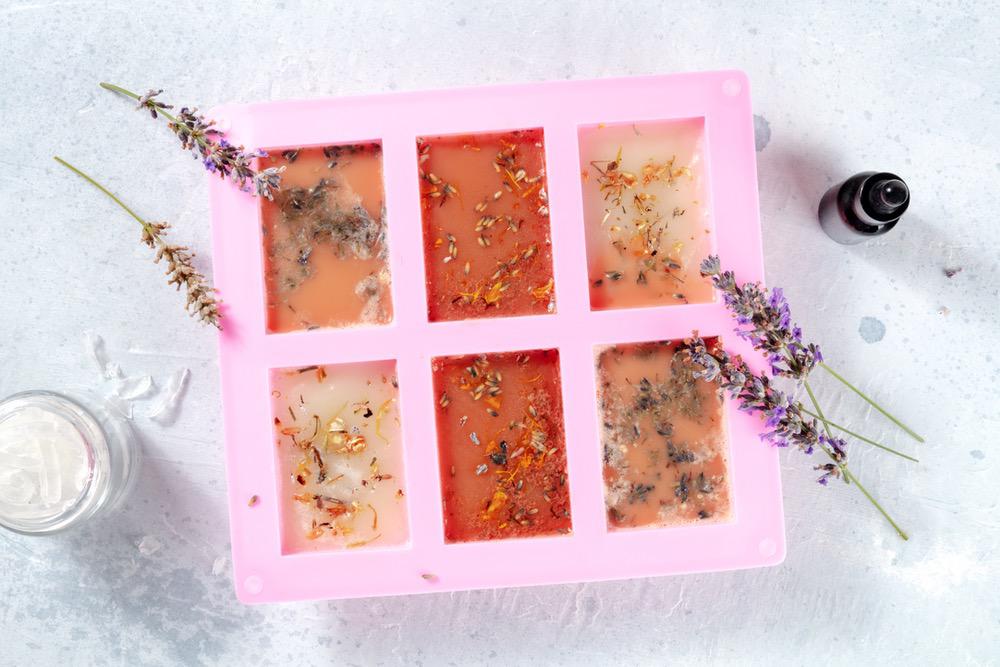
Whether you view rebatching as an art, a doorway for the addition of gentle ingredients, or a second chance for your soap, this method of soap making offers opportunity.The term rebatching for soap simply means remaking soap. This method would be very similar to melt and pour soap in that you are melting down soap that has already gone through the saponification process. Rebatching is more intricate than melt and pour soap though. Rebatching involves cold processed or hot processed soap bars that are melted down for specific reasons.A common technique used in soap making, rebatching allows many soap making handcrafters the chance to rework their soap recipes, introduce delicate scents and herbs, as well as add ingredients or colors they may have missed the opportunity to add the first time.Since rebatched soap has already gone through the saponification process, the rebatching steps do not involve lye. This is why rebatching allows the opportunity to add those delicate soaping ingredients; without fear. With the rebatching method, these ingredients; which normally would not survive the saponification process, now have the chance to add wonderful benefits to your finished bars of soap.Although time consuming, the rebatch process is fairly easy to do. To put it briefly, the rebatching process is finely grating the soap, then heating (sometimes with the addition of a liquid like water to help prevent burning). There are a few different ways to introduce heat to the shredded soap. These ways would include: double boiler, microwave, and crock pot. But, please advise: you must monitor the soap while it is heating because you never want to scorch the soap. This may be slightly more difficult using the microwave approach.Now, as the soap is heated and starts to liquefy; it will have a very thick gel like density. Once the soap hits this consistency, any additives or scents are added and stirred in. Once the soap is stirred well, it is then scooped into a mold, left to harden, and finally cut into slices.So, now that you have an understanding as to what the method of rebatching is, we will shortly post a blog as to the various reasons to rebatch. This post will also cover the benefits as well as the drawbacks of rebatching your soap.

Article
Powerful Fragrance Oils for Wax Melts
Powerful Fragrance Oils"What are some of your most powerful fragrance oils?" is a question that gets asked daily by our customers. Especially our first time buyers. With over 800 fragrance oils to choose from, and a good portion of those are incredibly strong, it was very hard to keep the list under 100! However, we have gathered a few of our most powerful fragrances oils that are not just strong, but are Nature's Garden best sellers. These are the fragrances that will leave your room scented long after the candle has been blown out, or you have left your bathroom smelling sweet and fresh from a bath bomb, soap or lotion. We hope the following fragrances will help inspire you to create some amazing smelling products for your family or customers! Powerful Fragrance Oils: Fresh Brewed Coffee- World's Best Fragrance OilNature's Garden worked long and hard to find a true coffee fragrance that did not have any chocolate undertones to it. Fresh Brewed Coffee-World's Best fragrance has wonderful effervescent coffee top notes, and incredible scent throw! This fragrance is so strong; we suggest cutting back on the amount you use in your applications. Also, please do not judge this fragrance out of the bottle. It may smell intimidating and a little scary, but we are sure you will be pleased with how amazing your products are going to smell.Fresh Brewed Coffee-World's Best performed very well in our cold process soap testing. There was no accelerating, ricing or separating. It did discolor to a light beige, which is a perfect color for coffee scented products! The scent cured nice and stayed true. This fragrance also had amazing hot and cold throw in our candle wax testing and air fresheners. Your house is sure to smell like a coffee shop with this fragrance oil!We have a wonderfully, easy recipe that uses our Fresh Brewed Coffee-World's Best. If you are looking for a new, fun soap recipe our Coffee Melt and Pour Soap Recipe is perfect! Using our Goat's Milk Melt and Pour soap base, coffee grounds (for some amazing exfoliation), real coffee to give some natural color and of course our World's Best, you will have an awesome coffee scrub soap that will leave your skin refreshed and soft and smelling good! Powerful Fragrance Oils: Black Cherry Bomb Fragrance OilFirst, you have Black Cherry Fragrance Oil and then you have Black Cherry Bomb Fragrance Oil! This fragrance oil by Natures Garden will literally burn your nose hairs out..it's so strong! Obviously, we are just kidding! Seriously though, it is incredibly strong and a best Nature's Garden seller. A delightful black cherry aroma that is not too sickening sweet.This fragrance oil did awesome in our cold process soap testing. No ricing, separating, or acceleration! It had a perfect pour and the fragrance stayed nice and strong through it's cure time! Black Cherry Bomb is a soaper's dream! It also does amazing in all candle waxes and in air fresheners! Plus it made awesome bath and body products such as lotion and body sprays.What better way to use Black Cherry Bomb fragrance oil than in an actual bomb? A bath bomb that is. This Black Cherry Bath Bomb is the bomb-diggity in bath and body products! Your bathroom will smell amazing and your skin will be soft and smooth after an awesome soak in a warm tub! This recipe is sure to be a must have in your line of products! Powerful Fragrance Oils: Pumpkin Crunch Cake Fragrance OilTake my word for it, you're gonna love this fragrance oil by Natures Garden! This fragrance oil has the aroma of a favorite fall dessert. The smell of creamy pumpkin pie filling with rich Eagle Brand Milk; surrounded with freshly baked yellow cake, melted butter, pecans, and hints of spice. Burn this in a wax melt or in a candle, and people will be thinking you did some baking! This fragrance is so popular during the fall that we can barely keep it on the shelves!Now, Nature's Garden has some fragrances that are not body safe. Pumpkin Crunch Cake fragrance oil is one of a few that is strictly for candles and wax melts or in air fresheners. Don't let that discourage you soap makers out there! This fragrance oil is worth using in some simple wax melts and we have a perfect recipe that you can try!Pumpkin Clamshell Wax Tarts are adorable and easy to make! Using our Pillar of Bliss and some fun fall candle dye colors, and you have yourself some cute candy corn inspired wax melts to help get you into the fall-spirit! Mmmmm! Powerful Fragrance Oils: Dragon's Blood Fragrance OilThis fragrance oil by Natures Garden smells just like the essential oil. Dragon's blood truly has a smell all its own. The actual Dragon's blood is a resin that is collected from a number of different plants and has long been used as a varnish, incense, dye and in medicine. However, our Dragon's Blood Fragrance Oil is a Nature's Garden best seller and is a perfect duplication of the incense or essential oil.Dragon's Blood did wonderfully in our cold process soap testing. No ricing, separating, or accelerating. It did discolor to a nice, light tan and the scent was still strong and true after its initial cure time. This fragrance oil also did amazing in candle testing and in air fresheners. Dragon's Blood also did very well in all bath and body products. Powerful Fragrance Oils: Green Irish Fragrance OilGreen Irish fragrance oil is perfect for anybody that loves a strong, fresh clean scent. It is actually one of my favorites! I could sniff it all day and not get tired of it! Spicy-sweet blend of French verbena and lemon, a green Florentine iris and violet leaves, and sublime notes of Mysore sandalwood and ambergris. This should be a definite addition to your men's line of products, but we have quite a few reviews stating that it makes a good unisex fragrance. I know I like it!Green Irish fragrance oil worked beautifully in cold process soap testing! No ricing, accelerating, or separating! A perfect fragrance to work with if you want to add some color or swirls to your soaps. It did discolor to a light lavender, but adding soap colorant, micas or even a natural colorant would help cover it up. The scent retention stayed wonderfully strong throughout its cure time. This fragrance had amazing hot and cold throws in our candle wax testing. It also made wonderful air fresheners and did very well in all other bath and body products. Powerful Fragrance Oils: Margarita Fragrance OilMargarita Fragrance oil by Natures Garden is a fresh lime fragrance with hints of lemon rinds and fresh greenery. This fragrance oil has high levels of essential oil of lime for a true-to-name aroma. This is a perfect summertime fragrance! I know this scent makes me thirsty the minute I get a whiff! Either for lemonade or an actual Margarita would be nice!During our cold process soap testing, Margarita Fragrance Oil did amazing! A perfect pour with no ricing, accelerating, or separating and no discoloring! The scent stayed strong and yummy throughout the cure time! Margarita also did very well in candle wax testing, air fresheners and in all bath and body products!Sugar and salt scrubs are very popular nowadays. They are truly easy to make and they will leave your skin feeling soft, refreshed and clean afterward. Our Margarita Salt Scrub is a perfect example. Most margaritas are served with a salted rim, so a salt scrub was the perfect recipe for the fragrance. This scrub has an amazing product in it, Sodium Cocoly Isothionate or SCI. This is a gentle, foaming surfactant made from coconut and is a must for soft skin. We also incorporated Dead Sea salt, vitamin E, mango and shea butters, and jojoba oil. Some amazing skin nourishing ingredients in this mighty yummy salt scrub! This would be a perfect summertime addition to your products! If you are looking for the real thing, you can try one of these margarita recipes. Powerful Fragrance Oils: Lavender Mint WOW Fragrance OilThis fragrance oil by Natures Garden is a fabulously, well-balanced herbal blend of earthy lavender flowers and fresh peppermint and spearmint sprigs. Lavender Mint WOW is another fresh fragrance for a summertime line-up.Lavender Mint WOW is another fragrance oil that is a cold process soaper's dream! No ricing, accelerating, separation or discoloring with this oil! The smell was still going strong after its cure time. This fragrance also did very well in our candle wax testing, air fresheners and in other types of bath and body products! Powerful Fragrance Oils: Leather Jacket Fragrance OilYou are not going to get any closer to a Leather Jacket smell unless you are wearing the real thing! Leather Jacket is spot on to a black, leather jacket you get in an expensive leather goods store. Crisp and clean is the thought that pops into my mind when I get a whiff of this!Leather Jacket did amazing in our cold process testing. No ricing, accelerating, separating or discoloring. A perfect fragrance to work with if you like to get creative with colors or designs in your soaps. It also does very well in candle waxes, makes perfect air fresheners for your car and did well in other bath and body products! Powerful Fragrance Oils: Stormy Nights Fragrance OilStormy Nights is another one of my all-time favorite fragrances! This fragrance oil by Natures Garden is an earthy, yet ozonic fragrance blend reminiscent of the way the night smells after a storm. This fragrance oil begins with top notes of ozone, fresh air, and white flowers; followed by middle notes of ylang ylang and tuberose and well balanced with base notes of patchouli and musk. Fresh, clean and electrifying!This fragrance oil did perfect in our cold process soap testing. Once again, no ricing, separating, accelerating or discoloring. The scent stayed strong and fresh through its cure time. Stormy Nights also did amazing in candle waxes, air fresheners and in all bath and body products! Powerful Fragrance Oils: Sweet Orange Chili Pepper Fragrance OilThis fragrance oil by Natures Garden is the sassy, saucy combination of Valencia Orange, Sparkling Bergamot, Tangerine Zest, Tart Cassis, Orange Juice, Neroli, Ground Pepper, Fiery Chili Pepper, and Sheer Musk. Sweet Orange Chili Pepper is a Nature's Garden original and a best seller!This yummy fragrance oil did fairly well in cold process soap testing. We experienced some slight acceleration so soaping at room temperature is strongly suggested. However, there was no ricing, separating or discoloring to the soap. The scent stuck very well and stayed strong through the cure time. Sweet Orange Chili Pepper had wonderful hot and cold throws in candle making. It also made wonderful air fresheners and it worked well in all bath and body products.With such a popular fragrance, we needed a recipe to go along with it. Nature's Garden created Sweet Orange Chili Pepper Cold Process Soap Recipe. Our base soap recipe is helpful when creating the pretty red and orange swirls. There was no accelerating and it gave excellent time to do an in the pot swirl. Powerful Fragrance Oils: Strawberry Passion Fragrance OilI know that most people think that strawberry may seem like a delicate, light fragrance to work with, but not Nature's Garden Strawberry Passion! This fragrance oil by Natures Garden is an incredibly strong, rich ripened strawberry fragrance with bottom notes of cotton candy and French vanilla. Strawberry Passion fragrance oil will be a perfect summer addition and it will be sure to please those that like strawberries.This fragrance did awesome in cold process soap testing. With no ricing, accelerating or separating, it was perfect to work with. However, it did discolor to a chocolate brown. In this case, if you are looking to keep your soap white, we suggest using Vanilla White Color Stabilizer to help you out. Strawberry Passion also did very well in candle waxes with amazing hot and cold throws. It did equally well in air fresheners and in all bath and body products. There you have it folks! Just a handful of some of our most powerful fragrances that Nature's Garden has to offer. We feel that these fragrances would be amazing additions to any or all of your products that you have to offer. Since they are some of our best sellers and did amazing in all of our testings we are sure you will be pleased with the outcome!If you are looking to show off any products you have made using Nature's Garden ingredients, give us a shout out and show off your talents! You can find us on Facebook, Instagram (@ngscents) or on the Twitter (@ngscents). We also have a Show and Tell page on our website. Follow the link and upload a picture of your creation and let us know what Nature's Garden product you used! We love hearing from our creative customers!

Article
Pine Fragrance Oil Guide
The crisp, woodsy scent of pine is more than just a seasonal favorite, it’s a year-round reminder of nature at its most refreshing. Whether you're dreaming of a walk through a snowy forest or just love the clean scent of evergreens, pine fragrance oil is a must-have in any candle maker’s collection.
What Does Pine Smell Like?
The smell of pine is often described as crisp, clean, slightly resinous, and earthy with subtle hints of citrus or spice depending on the variety. Some pine scents are bright and invigorating, while others lean toward warm, woodsy, and comforting. That’s because there are many types of pine scents, each with its own unique aroma.
Fragrance oils inspired by pine may highlight different elements of the pine tree: needles, bark, sap, or even the forest floor itself. A classic pine scent might bring to mind freshly cut trees and cool mountain air. Others are blended to evoke a Christmas tree farm, with deeper balsam or cedar notes layered in.
Why Does the Smell of Pine Relax You?
There’s real science behind why pine can make you feel calm. Forest environments, especially those rich in evergreen trees, are believed to help reduce stress and promote feelings of well-being. The pine tree smell, with its combination of earthy and refreshing notes, may trigger a similar response, even when experienced through a candle.
In candle form, fresh pine fragrance oil can create a grounding atmosphere, perfect for unwinding after a long day or creating a calm holiday mood. It’s also one of the most nostalgic fragrances, often associated with wintertime traditions and cozy indoor moments.
Types of Pine Scents in Fragrance Oils
Not all pine scents are the same. Depending on how the oil is formulated, you might notice:
Crisp and airy pine – Reminiscent of cold, snowy mornings and wind-blown branches.
Deep and resinous pine – Highlighting the earthy, sap-like notes of the tree.
Pine blends – Mixed with citrus, spice, or wood for a more layered profile.
Nature’s Garden offers several options that fall under the pine family, including scents inspired by pine needles, balsam fir, or festive holiday trees. When choosing a pine fragrance oil for your candle, think about the mood you want to create, clean and energizing, warm and nostalgic, or something in between.
How to Make a Pine Scented Candle
Making a pine candle is straightforward with the right supplies and attention to detail. Here's a basic overview to get you started:
Choose a suitable containerStick with candle jars or vessels specifically rated for candle making. Avoid repurposed containers that aren’t heat-resistant.
Melt your wax safelyUse a double boiler to melt your wax flakes, soy wax is a great beginner-friendly option and works well with most pine fragrance oils.
Add fragrance at the right temperatureOnce your melted wax reaches the recommended fragrance load temperature, stir in the pine fragrance oil. Refer to the fragrance oil’s product page for flashpoint info and usage rates.
Secure your wickUse hot glue to attach a candle wick to the center of your jar, or use wick tabs. Make sure it's straight and secure before pouring.
Pour and cureSlowly pour your wax, allow it to set, and let your candle cure for several days to improve scent throw. Trim the wick to about ¼ inch before burning.
For a full candle recipe, always test your batch for performance and safety. And remember, Nature's Garden does not recommend including pine needles or botanicals in candles due to fire safety concerns.
Tips for Working With Pine Fragrance Oils
Pine oils tend to be strong, test at lower concentrations if you're unsure.
Some pine blends may discolor wax slightly, especially in soy wax. Always test first.
Cure time matters. Give your candle a few days to develop its full scent potential.
Label your candles clearly, especially if you're selling them during peak seasons like the holidays.
Bring the Outdoors In
A pine scented candle offers more than a seasonal vibe. With the right pine fragrance oil, you can create a year-round experience that evokes fresh air, quiet woods, and peaceful moments. Whether you're building your holiday candle line or just love the scent of evergreens, pine is a timeless, versatile choice that never goes out of style.
Disclaimer: Nature’s Garden is not responsible for the performance of any of the recipes provided on our website. Testing is your responsibility. If you plan to resell any recipes we provide, it is your responsibility to adhere to all FDA regulations if applicable. Please also reference IFRA standards for proper fragrance oil usage. If there are ingredients listed in a recipe that Nature’s Garden does not sell, we cannot offer any advice on where to purchase those ingredients. We also do not offer any advice on formulating or altering recipes.
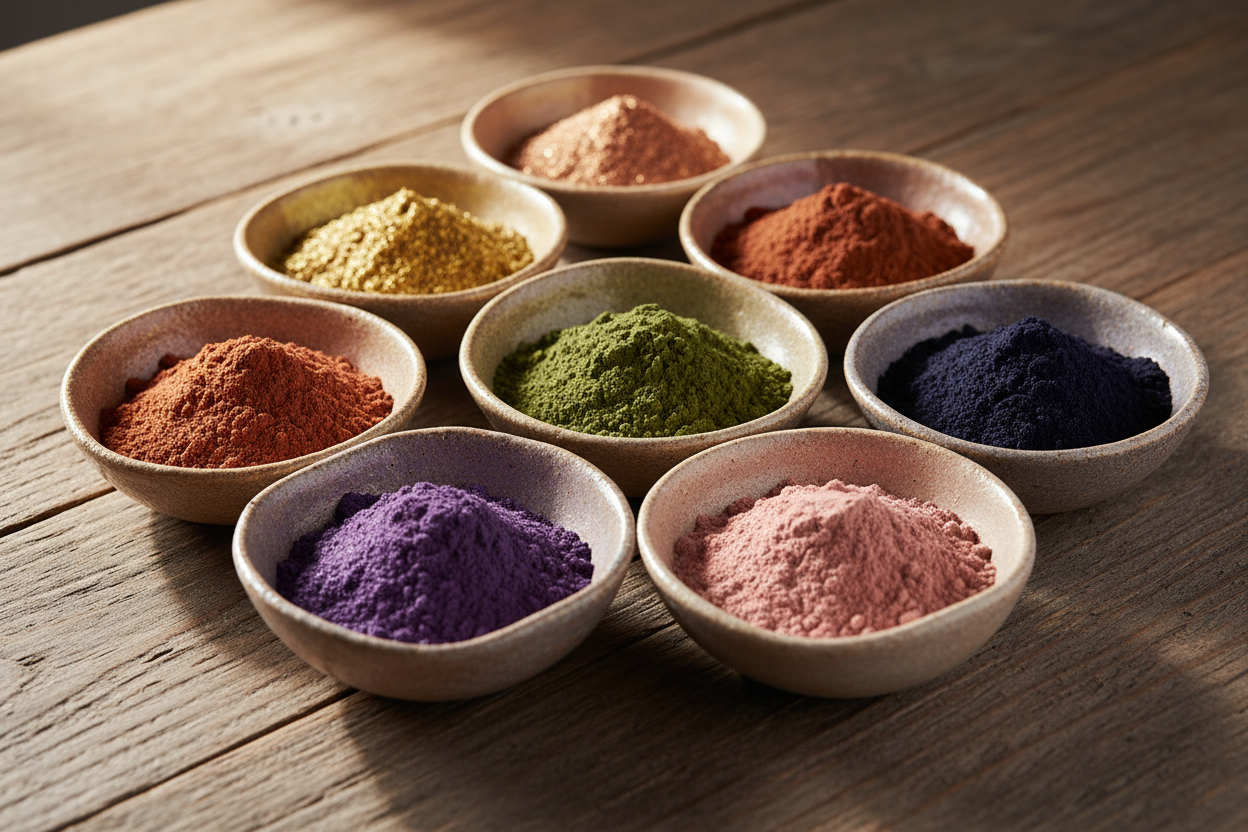
Article
Liquid, Powder, or Block Colorants? Choosing the Best Soap Colorants for Your Projects
Coloring your homemade soap can transform it from a simple bar into a work of art. But with so many options available, from liquid and powder to block colorants, how do you choose the best one for your needs? Understanding the different soap colorants and how they work can help you achieve the perfect shade and finish for every batch. Let’s dive into the various options and their unique benefits.
Understanding Different Types of Soap Colorants
When it comes to soap coloring, there are three primary types of colorants: liquid, powder, and block. Each type has its own advantages and can create different effects in your soap.
Liquid Colorants: These are pre-dispersed pigments or dyes in liquid form, making them easy to use and measure. Due to their simplicity, they are ideal for beginners and are great for achieving consistent, uniform color throughout your soap.
Powder Colorants: Powdered pigments, including micas, oxides, and clays, offer a more concentrated color. They are versatile, allowing you to achieve vibrant hues or subtle shades, depending on how much you use. Mixing powders with a small amount of oil or glycerin before adding to soap ensures even distribution.
Block Colorants: These solid colorants, or pigment blocks, are typically melted or dissolved into your soap mixture. They can offer intense color saturation and are especially useful when you want bold, bright colors.
How to Color Soap: Liquid, Powder, and Block Options Explained
If you’re new to how to color soap, knowing the best practices for each type of colorant can make a big difference in your results:
Using Liquid Colorants: To add liquid colorants to your soap, start with a few drops and gradually add more until you reach your desired shade. Liquid colorants blend seamlessly into melt-and-pour bases and cold-process soap, making them a versatile choice.
Using Powder Colorants: Powdered soap colorants should be mixed with a carrier oil or water before adding them to your soap. This step helps to prevent clumping and ensures even color distribution. Micas are popular for powdered colorants because they create a shimmery finish.
Using Block Colorants: Melt your block colorant according to the manufacturer’s instructions before incorporating it into your soap mixture. Block colorants work well in melt-and-pour soap bases, providing rich, consistent color.
Each method has its benefits, and your choice will depend on the type of soap you’re making and the effect you want to achieve.
Natural Soap Colorants: A Guide to Eco-Friendly Choices
Natural soap colorants are an excellent option for creating eco-friendly soaps. They come from plant-based and mineral sources, offering a range of earthy tones and subtle shades perfect for those who want a more natural approach to soap coloring.
Plant-Based Colorants: Common choices include turmeric, spirulina, and beetroot powder. These options can create beautiful, muted hues and offer additional skin benefits. For example, turmeric can provide a warm yellow tone, while spirulina creates a soft green.
Clays: Clays like French green clay, rose clay, and kaolin clay are great for adding both color and skin-purifying properties to your soap. They create pastel shades and add a silky texture.
Mineral Pigments: Micas are a popular choice for natural colorants for soap making because they are derived from minerals and create a shimmery, eye-catching finish.
When using natural soap colorants, remember that the colors may be more subtle than synthetic options, but they offer a unique, earthy beauty that many soap makers love.
Comparing Colorants for Soap Making: Which Type Is Right for You?
Deciding between liquid, powder, and block colorants for soap making depends on your project goals and experience level. Here’s a quick comparison to help you choose:
Liquid Colorants are best for beginners and those looking for convenience. They are easy to measure, blend quickly, and work well with both melt-and-pour and cold-process soaps. They are ideal for those who want consistent, uniform colors.
Powder Colorants are great for more experienced soap makers who want more control over the intensity of their colors. Depending on the amount used, powders can create a wide range of effects, from vibrant hues to soft pastels.
Block Colorants are perfect for creating bold, saturated colors. They are especially effective in melt-and-pour soaps but require more preparation, as they need to be melted before use.
When selecting your colorant, consider the type of soap you’re making, your desired color intensity, and the overall look you’re aiming for.
Tips for Using Liquid, Powder, and Block Soap Colorants Effectively
To achieve the best results with soap colorants, follow these tips for each type:
Start with a Small Amount: Always start with a small amount of colorant, especially with powders and blocks, as they can be highly concentrated. You can gradually add more to reach the desired shade.
Blend Thoroughly: Whether you’re using liquid, powder, or block colorants, blend them thoroughly into your soap mixture to avoid streaks or uneven color.
Test Beforehand: If unsure how a colorant will behave, test it on a small batch of soap first. This is especially important with natural soap colorants, which can sometimes change color during saponification.
Consider the Soap Base: Different bases can affect how colorants behave. For example, clear melt and pour bases will show vibrant colors, while opaque bases may produce softer, more muted shades.
With these tips, you can make the most of how to color soap and create beautiful, vibrant bars every time.
Frequently Asked Questions About Soap Colorants
Which type of soap colorant is best for beginners?Liquid colorants are the easiest to use and measure, making them an excellent choice for beginners. They blend easily and provide consistent results.
Can I use food coloring in soap making?While food coloring may seem convenient, it’s not recommended for soap making as it can bleed or fade over time. It’s best to use colorants designed explicitly for soaps.
Are natural soap colorants suitable for all skin types?Yes, natural soap colorants like clays and plant powders are generally gentle on the skin and are suitable for all skin types, including sensitive skin. However, testing a small amount on your skin is always a good idea if you have allergies or sensitivities.
By understanding the differences between liquid, powder, and block soap colorants, you can select the right option for your next soap-making project. Whether aiming for bold, bright colors or subtle, natural hues, there’s a soap colorant to help you achieve your creative vision.
Article
Lemon Peel Benefits
There are many lemon peel benefits that you can use to benefit your body. Both the Lemon Peel Cut and Sifted and the Lemon Peel Powder from Natures Garden are perfect for nourishing your body inside and outside. You will love all the ways that you can use this bright citrus herb in your life. Not only can use this herb to enhance your food recipes, but you can use this herb to create lovely bath and body recipes. So, let's get into all the benefits and properties of lemon peel.Lemon Peel Benefits: Growing ConditionsLemon trees require a warm climate and are quite sensitive to the cold. The tree will become inactive below 55 degrees Fahrenheit. Also, the fruit dies after being exposed to lower than 28 degrees Fahrenheit for about 30 minutes. So, they will need protection from frost, which can be helped by ensuring that your tree has enough water. Additionally, lemon trees should be provided with full sunlight. While these trees are temperature sensitive, they are able to tolerate many different types of soils. However, these trees will prefer soil that is slightly acidic and well-draining. Further, you should plant your tree in a hole that is slightly shorter than the root ball. Then, replace the dirt and tamp firmly. For those in the United States, anyone that doesn't live in a climate like Florida or California may want to plant your lemon tree indoors. As long as the pot is fairly large and the soil is well draining, the tree should be comfortable as an indoor plant. However, a typical lemon tree has the potential to grow to be 20 feet tall, so you will likely want to prune your tree as it gets too large.However, the lemons require hot summers to develop the fruit. So, it may be less likely for an indoor tree to produce fruit if you don't bring your plant outside in the summer. Luckily, there are dwarf lemon tree options, like the Meyer lemon, that are more likely to bear fruit. Since your plant will be inside, it is unlikely that pollinators, like bees, butterflies, and other bugs, can get to your plant. Instead, you can use a paintbrush or cotton swab to rub pollen within the flower. This increase your chance of fruit and lead to a better harvest.Lemon Peel Benefits: Industry UsesThere are many different ways that you can use the lemon peel herb in your daily life. First, you can add lemons to your diet to enhance the flavor of everything from water to dinner recipes. Further, adding more lemon in your food will provide you with some awesome health benefits. Also, your cosmetic recipes can benefit from the addition of lemon peel powder. Not only will your products pick up a lovely lemon aroma, but there will be able to provide you body with all kinds of benefits. So, let's get into some of the wonderful properties of this botanical herb.Lemon Peel Benefits: Medicinal UsesThere are some beneficial properties that you can gain from adding more lemon peel powder to your diet. This herb can be added to tonics or teas that you can use to provide all kinds of benefits to your body. Plus, the peel has a pleasant taste that isn't too overpowering. So, let's get into how this herb can benefit your body.Lemon Peel Benefits: Medicinal BenefitsFirst, you can use lemon peel powder to help promote good digestion. Many people have found that this herb can be used to reduce the symptoms of gas, heart burn, and indigestion. Also, the high fiber content can be useful for treating both diarrhea and constipation. Further, lemon peel is able to help your body eliminate toxins, as it promotes kidney function. In fact, this herb acts like a diuretic and has been known to be useful against kidney stones. Furthermore, it is thought that lemon peel can be used to detox the liver. Since this is the organ that filters and breaks down toxins in your body, helping flush these out will help your liver to preform at its best.A study on fighting skin cancer shows that drinking lemon peels in your tea may be beneficial in preventing this disease. Plus, this cosmetic herb can be useful for reducing bad cholesterol levels in the body. This lower cholesterol will be helpful for improving heart health and reducing the chance of a heart attack or stroke. Also, this herb has anti-inflammatory properties that are thought to help relieve inflammation in the walls of veins. So, this herb may be useful for varicose veins or hemorrhoids. Also, you can use lemon peels to help promote healthy bones, as it contains vitamins and minerals that are beneficial for the bones. Both the calcium and vitamin C are important for maintaining and building healthy bones. Additionally, this high level of vitamin C is useful for promoting a healthy immune system. So, adding more lemon peel to your diet may be useful for preventing a cold or other inconvenient illness.Lemon Peel Benefits: Cosmetic UsesThere are quite a few benefits that you can utilize in your bath and body products. This botanical herb can be used to nourish the skin and hair in your natural products. So, you can produce products that are beautiful, all natural, and great for your body.You can use the lemon peel herb nourish and enhance the appearance of your skin. First, this cosmetic herb can be used to cleanse the skin and help to break down dead skin cells. Further, this herb will help detoxify the skin with it's abundance of antioxidants. Plus, lemon peel can provide rough, dry skin with nutrients that can rejuvenate and soften your skin. So, this herb would be perfect for creating a lotion recipe or even a nourishing conditioner recipe.Also, you can use lemon peel to help even and brighten your skin tone as well as lighten your complexion. Further, this herb can be useful for promoting healthy skin growth. Plus, this herb can be useful in helping to prevent signs of aging. You can add this cosmetic ingredient to your lotion and soap recipes to help reduce wrinkles and fine lines. Also, you can use this herb to help reduce dark spots, like circles under the eyes or even acne scars. Also, the astringent and antimicrobial properties in this herb can be useful for reducing acne. So, this cosmetic herb would be perfect for adding to your typical soap making supplies.Lemon Peel Benefits: Natures Garden RecipesWe created a tea with the Lemon Peel Cut and Sifted and included it in our Hair Conditioner Recipe For Blondes. We made this recipe to create a product that will nourish and care for your hair. Lemon peel powder is a wonderful herb for your hair that will leave your locks looking healthy and shiny. Furthermore, this herb will help restore your hair and scalp's natural pH balance. So, this herb can be useful for balancing an oily or dry scalp, reducing dandruff and helping manage hair loss. Since this herb has many benefits for the skin, it is a perfect ingredient for many bath and body recipes. First, we used the lemon peel powder to create the Margarita Salt Scrub Recipe. We included this herb with our other body scrub supplies to create a scrub that can exfoliate as well as brighten and nourish the skin. So, this product will provide you with glowing, youthful skin. Additionally, we created many other bath and body recipes with this cosmetic recipe that you can find under the recipe tab of the Lemon Peel Powder.Lemon Peel Benefits: Food and BeveragesThere are many ways that you can use lemon peels to benefit your drinks and food recipes. Since this botanical herb is full of vitamins and minerals, it is able to provide the building blocks that your body can use to its benefit. Further, the lemon peels contain about 5 times more vitamins than the center or juice.First, you can incorporate lemon peels with other tea herbs to create a tea that it fantastic for your body. Alternatively, you could just boil lemon peels to create a simple lemon peel tea, which you can drink plain or even with a touch of honey. This is an easy way to add more nutrients to your diet and begin to feel the benefits of this herb.Additionally, you can add lemon zest to your dessert or meal recipes. While many cooks will refer to this herb differently in the kitchen, it is still just lemon peels that are grated a bit finer. So, lemon peels are actually utilized pretty well by good cooks, as this herb tastes good and is good for you! Check out Zest Is Best: How to Make the Most of Your Lemon, Lime, and Orange Peels by Bon Appetit for tips on zesting and recipes that you can create with your zest!Lemon Peel Benefits: Other UsesThere are some other uses of lemon peels that you can utilize in your daily life. In addition to the various health and cosmetic benefits that this herb can provide, you can find a few other useful ways to include this herb in your life.Also, this herb can be used to help whiten your teeth. Although you could use whitening strips, this method is less expensive and natural. If you are interested, then check out How To Use Lemon For Teeth Whitening by WiseShe. Plus, you can use lemon peels to help promote stronger bones. The vitamin C in this herb can be useful for preventing bleeding gums, scurvy, and even gingivitis. Further, the citric acid in this herb can be used to reduce your chance of having issues with your gums.Another use of lemon peel is that you can add it to a bag of brown sugar to help keep it fresh. Adding this herb will help keep the sugar moist and prevent it from getting hard. Just make sure that you only add the peel without any of the pulp or juice. Also, you can use this herb to use this botanical herb to freshen your fridge. Lemon peel is known to be able to absorb scent, so it can be useful for reducing the scent of your fridge. Plus, you can use this herb to create natural cleaners for the home. It is thought that lemon peel can be useful for polishing chrome surfaces.Lemon Peel Benefits: Ask Your QuestionsWe hope that you enjoyed learning about all the lemon peel benefits that you can gain from this delightful herb. If you have anymore questions about this herb or another others, then feel free to reach out to us! We are available in the store, on the phone, and online. Anyone that wants to find us online, may want to try one of our social media pages. We have a Facebook page as well as both a Twitter and an Instagram that uses @ngscents. Not only can use use this platform to ask your questions, but you can share your own personal opinions and homemade recipes, too. Hope to hear from you soon!Lemon Peel Benefits: Reminder About Our HerbsNote: Natures Garden sells our herbs, like the Lemon Peel Cut and Sifted and Lemon Powder, for external use only. We do not sell our herbs as food items. The information we provide is for educational purposes only. We do not intended to diagnose, cure, treat, or prevent any disease with this information. Also, the Food and Drug Administration has not evaluated the information that we provide. You should keep all herbs out of reach of both your children and pets. Further, pregnant and/or lactating women should take special care when handling our herbs. Natures Garden accepts no responsibility (written or implied) for any products you make with our herbs and all testing is the responsibility of the customer.