


Articles
Article
Natural Exfoliants for Soap Making
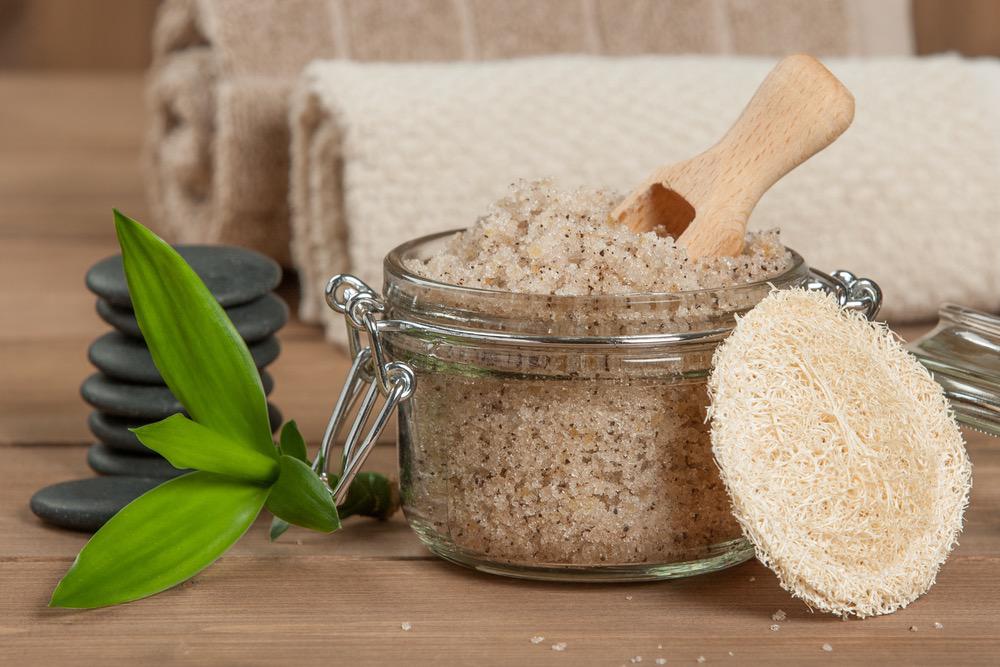
If you want some tips on how to make homemade soap that exfoliates, then you are going to want to check out our list of natural exfoliants for soap making. Whether you are looking for a delicate face scrub or an effective foot scrub, we have the soap making supplies that you need for your handmade soap! These herbal ingredients are great soap supplies because they are natural and have great benefits for the skin!What is an Exfoliator?We know that an exfoliant is an ingredient that some bath and body products have, but what does it do? Well, these exfoliating products contain an ingredient or two that makes them more scrubby. This means that the product will be able to help remove grime and dead skin cells. Basically, an exfoliant is just another way to say skin scrubber! It removes that outer layer of bad stuff that would just get in the way and it leaves the living cells fresh and open for your skin loving bath and body products.Cosmetic ClaysIf you are looking for a gentle and sensitive way to exfoliate your skin, then a cosmetic clay is the way to go. Plus, clay powder is safe to use in facial recipes, as it is gentle enough to care for your face. So, anyone wondering "How to exfoliate dry skin on face?" should know that this is a great option! These wonderful ingredients are perfect homemade soap making supplies for removing dead skin without causing any harm. After the dead skin is moved out of the way, your product will be able to nourish the new layers below. Bentonite Clay PowderFirst, we have the lovely Bentonite Clay Powder for your all natural homemade soap recipes. Not only is this cosmetic clay a light exfoliant, but it is great for helping your soap glide. This glide is due to the slippery texture this soapmaking clay gets when its wet. One soap that benefited from this property was the Moonlight Tuberose Swirled Soap Recipe, which uses an abundance of different clays to swirl the melt and pour soap.Rhassoul Clay PowderAnother great choice for your soap-making is the Rhassoul Clay Powder. This clay is full of skin-loving minerals and is perfect for helping to cleanse the skin. We used this cosmetic clay in our own recipe, which is the Chamomile Clay Soap Recipe.Dead Sea Clay PowderNext, you could try out the Dead Sea Clay Powder in your soap recipes. This cosmetic clay is amazing for the skin, as it exfoliates dead skin as well as helps to remove toxins. Further, this soap-making ingredient is full of vitamins and minerals that provide your skin with nourishment. We included this clay in the Mechanics Soap Recipe.Kaolin White Clay PowderIf you have sensitive skin, then Kaolin White Clay Powder is perfect for you. This cosmetic clay is gentle is perfect for removing toxins and dead skin from your body. We used this gentle clay in our Swirled Melt and Pour Soap Recipe, but you can use this ingredient in any kind of bar soap and many kinds of natural cosmetics.Red Moroccan Clay PowderAlso, you can try out our Red Moroccan Clay Powder. This cosmetic clay is one of the purest forms of clay ever found. Not only does it gently exfoliate, but this cosmetic herb is able to remove toxins from the skin and moisturize! So, this is an amazing ingredient to add to home made soaps.French Green Clay PowderThe French Green Clay Powder is most commonly used by health professionals and spas for treating skin conditions, nourishing the skin, and removing impurities. Much of the nutrients for your skin comes from the composition of the clay, which is partially plant material. So, this clay is wonderful for skin care and nourishment.Rose Clay PowderPink Clay, or Rose Clay Powder, is another gentle cosmetic clay that contains kaolin, so it is perfect for caring for sensitive skin. Plus, this soaping ingredient is useful for exfoliation, drawing out toxins, and reducing irritation and inflammation. Further, this pretty clay adds a gorgeous, natural color to your homemade soaps.Whole Flowers and HerbsThere are many herbs that you can use to exfoliate your body. Some are more on the abrasive side and others are more delicate, but they all can be used to remove the outer layer of junk on your skin that you just don't need. Although you can find all of the herbs you need under the Herbs & Spices tab of the NG site, we would like to share some of our favorite herbs to use as exfoliants in our homemade bath and body recipes. Depending on certain properties, like hardness, the exfoliating herbs may have different levels of effectiveness.Poppy Seeds WholeOn great herb that you can use to create strong scrubs is the Poppy Seeds Whole. These seeds are hard enough to get a good scrub, which is perfect for feet and hands. Also, many people prefer this to salt for their more abrasive scrub recipes because you can use less and get similar results. This means less scrubby feeling with the same benefits. If you want to try this herb in soaps, then check out our Peppered Poppy Seed Cold Process Soap Recipe.Juniper Berries WholeAnother fun herb that you can add to your homemade soaps is Juniper Berries Whole. These seeds are similar to the poppy seeds in abrasiveness, but they are a bit larger. The size can be used for a different appearance or to increase the exfoliation slightly. While the poppy seeds have a hard protective shell, these larger berries are hard and will be able to exfoliate a bit better. You could use this herb in your feet scrubs instead, or you could even add some of these berries to a recipe that used poppy seeds, too.Calendula FlowersAlso, you can use Calendula Flowers in your handcrafted soaps for a lovely, light exfoliant. This is perfect for providing a lighter exfoliation for the body. Plus, this herb has some added benefits of nutrients that are useful for nourishing the skin. We used this lovely herb in our Calendula Swirl Soap Recipe, which is both for decoration and to provide a soft exfoliation for the body.Lavender Flowers WholeNext, we have a fragrant herb that is great for exfoliation, which is the delightful Lavender Flowers Whole. These flower buds provide a more gentle exfoliation that would be perfect for the body. So, your body will feel and smell great! We included this lovely herb in our own recipes like the Lavender Luxury Cold Process Soap Recipe where we sprinkled Lavender Flowers Whole and Rose Petals Pink on top to provide a surface for exfoliation. Just note that incorporating this flower buds into your cold process soap recipes could result in the lavender turning a brown color. They are still good to use, but they may not match your colors.Fine Cosmetic SaltAlso, you can add on of our cosmetic salts to provide an exfoliant in your homemade soaps. These are on the abrasive side so be sure that you are using your soap on an area that is not sensitive. You can use Hawaiian Black Salt Fine Ground, Himalayan Pink Salt Fine Ground. or Dead Sea Salt High Minerals Fine Ground to add some nice exfoliating power to your homemade recipes. We have used fine ground salt in recipes like the Total Hot Man CP Soap Recipe and it turned out great!Ingredients from Around the HouseWhile there are many wonderful cosmetic grade ingredients at Natures Garden that you can include in your home made soap recipes, there are some ingredients you can find around the house that are perfect for exfoliation. If you don't have a specific herb in mind, then you might as well try out the idea with something from home. There are even some instances where these house hold ingredients pair perfectly with your fragrance oil. Take a look at our ideas for homemade exfoliants and see what you think!OatmealOne way that you can have a soap that exfoliates naturally is by adding oatmeal. Embedding a bit of this ingredient into your soap will help you to scrub dead skin and toxins from your skin. Plus, you can change the intensity of the scrubbing power by different amounts of grinding. This means that coarse ground oatmeal will be more scrubby than fine ground oatmeal, which would be very mild.Coffee GroundsAnother way to naturally exfoliate is by adding fresh ground coffee to your recipe. We did this in our Coffee Melt and Pour Soap Recipe and it turned out great. Not only do the coffee grounds provide some mild exfoliation power, but the scent blends beautifully with the fragrance oil. We included a Fresh Brewed Coffee Fragrance Oil along with the real coffee ground and was blown away by the authenticity of the scent.Granulated SugarNext, you can use some granulated sugar in your various homemade soap recipes. While this ingredient won't make your scrubs as abrasive as a salt scrub, the sugar is great for exfoliation! One melt and pour recipe idea we had with this ingredient is the Gumdrop Melt and Pour Soap Recipe, which make it lightly exfoliating and looking cute!Coconut FlakesAnother fun idea for exfoliants is using coconut flakes in your homemade soap recipes. This would be perfect for soaps that use tropical fragrance oils, like the Coconut Craziness Fragrance Oil or the Coco Mango Fragrance Oil. This natural exfoliant would pair perfectly with these scents to create a perfect tropical themed soap.Natural LoofahAlso, you can include your own loofah in your homemade soap recipes. This is perfect for creating homemade body soap. If you don't have one yet, you could buy a Natural Loofah from the Natures Garden website. We included our loofahs in a few melt and pour soap ideas. Both the Loofah Honey Melt and Pour Soap Recipe and the Mango Loofah Melt and Pour Soap Recipe are great soap recipe for exfoliating dead skin while cleaning!What are the Benefits of Exfoliating?We have all heard what an exfoliator is and looked at different types exfoliation, but what is it good for? While you don't want to exfoliate every day, doing it a couple times a week can have a lot of great benefits for your skin! This is useful for reducing blemishes, unclogging pores, solving ingrown hairs, and so much more! If you are interested in learning about these benefits and others in a bit more detail, then take a look at The Importance and Benefits Of Skin Exfoliation article by Truly Scrumptious Beauty!Find Us OnlineIf you want a few more ideas for exfoliants, then check out the list of Exfoliants In Soaps & Other Bath Products from our Exfoliant Class. Also, you can ask us any other questions that you may have about adding exfoliation to bath and body products. You can ask us in the store, on the phone, or online. If you want to reach out online, then I would suggest either Facebook, Twitter (@ngscents), or Instagram (@ngscents). Hope to hear from you soon!
Article
Kelp Uses
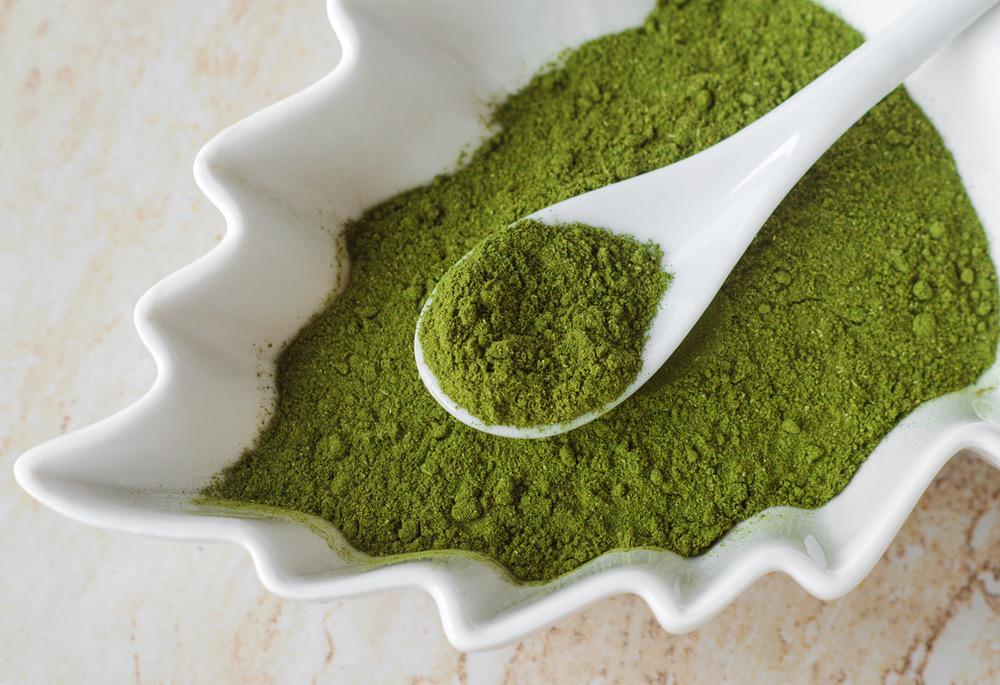
Hello everybody! I hope you re all having a wonderful day! For all you creative people out there, are you looking for something new and exciting to add to your products? Something out of the box that you probably wouldn t normally think of? Maybe kelp for example? And yes, I mean like seaweed kelp! Kelp is actually a very amazing product that would be a great addition to your soaps and bath and body products! Did you know that there is a possibility that kelp could actually be used as a natural renewable energy source? It s very effective in yielding methane, as well as sugars that can be converted to ethanol.Kelp can be used in many different products and industries including skin care, medicinal purposes, culinary purposes, hair care, and many bath and body products. Common products that can include kelp are body wraps, facial masks, lotions, creams, ointments, bath salts, scrubs, soaps, foot treatments, and bath teas. When used in soap making, kelp brings wonderful nutrients to the skin, as well as giving the soap a natural green color. Kelp is a great way to help hydrate your hair as well as helping to thicken, rebuild, and strengthen the hair. You skin will benefit from kelp use as well, it supplies the skin with many important nutrients and helps to calm any sensitivities. Kelp also helps to moisturize the skin, reduce any skin tumors, and it also helps to slow down the aging process!There are many wonderful medicinal benefits to using kelp as well. Did you know that it can help you to lose weight? It actually works as a natural diuretic, working to get rid of excess water weight. It also helps to regulate your thyroid, which in turn regulates your metabolism, which also helps you to lose weight! Kelp also has high content levels of iodine. Iodine is also amazing for helping with thyroid problems as well! There are some specific benefits to kelp uses for women as well. Kelp can be used to dilate the cervix to induce labor and delivery in pregnant women, as well as being used to dilate the cervix for medical procedures, and the placing of intrauterine devices. When the kelp is inserted into the cervix, it is sometimes called a tent. The tent can also be used to cause abortions as well as being placed before the performing of a D&C (the scraping out of the uterus.) Kelp can also be used as a natural antibiotic, helping to protect from colds and the flu, increasing insulin resistance, treating radiation sickness, and even helping to prevent cancer!Are you wondering how to get your hands on this wonderful product as soon as possible? Well hold on just a second because it gets even better! When you search kelp on our website, it will take you right to our Kelp Powder page. On top of the powder picture, you will see a little green link labeled Recipe. This will show you the name and picture of our Seaside Spa Scrub which is actually made with kelp! This wonderful recipe is one that you re sure to adore! While you re there, make sure to check out all the rest of our free classes and recipes as well! Enjoy these great products and keep watching for more Enlightened by Layla!
Article
Sodium Lauryl Sulfoacetate SLSA
All About SLSASodium Lauryl Sulfoacetate is a surfactant that is derived 100% naturally. It comes from coconut oil and palm oil. It is also completely free of all sulfates. A surfactant is a surface acting agent, which basically means that it causes products to fizz and foam. There are a plethora of homemade cosmetic items that you can make with SLSA. Starting with bath bombs, the two most important ingredients to make them are baking soda and citric acid. The combination of these two is necessary in order to cause the fizzing reaction when the bath bomb hits the water. SLSA is going to contribute incredible foaming qualities to your bath bombs that will accompany the fizzy reaction. Another product that can be made using SLSA is bath bubble bars. This is the perfect surfactant to use to make these because of the foaming quality it contributes. Your bath water will be exploding with mounds of bubbles when these hit the bath water. You can also use SLSA to create many other cosmetic related products too, such as shampoo bars, liquid soap, and facial washes.The Benefits of Using SLSASodium Lauryl Sulfoacetate carries a lot of benefits along with it. SLSA brings to the table many elements that are very beneficial to the skin. What might just be the greatest quality of this surfactant is that it can be used on every type of skin and hair. We feel this characteristic is important, and products with SLSA work really nicely for people with dry and sensitive skin. There are so many different skin conditions out there such as eczema, rosacea, acne, and psoriasis. We want to be able to cater to our customers and provide them with products that will work for all types of skin. This is just one of the reasons we decided to add SLSA to our website. Another key benefit of using SLSA in your homemade bath product recipes is that it will provide a much thicker lather than other surfactants will. This quality contributes significantly to creating bubbles that are actually long lasting. SLSA readily dissolves in water because of its small particles, which is great for things like bath bombs. Other great things about it are the excellent flash foam that it has, the two year long shelf life, and the versatility of the product. Powder shampoos and bath salts are some of the other recipes SLSA can help create that we have not mentioned. SLSA in Comparison to Other SurfactantsSLSA is a product that is extremely versatile in this industry. It can be the perfect alternative to other surfactants such as Sodium Cocoyl Isethionate (SCI) and Sodium Lauryl Sulfate (SLS). SCI is a customer favorite that we sell at Nature's Garden. Each of these also contribute plenty of versatility in cosmetic recipes, projects, and products. Similarly to SLSA and coconut oil, SCI derives from coconut. Our Wicked Bath Bomb recipe was made using SCI. Sodium Lauryl Sulfate is another type of surfactant that commonly gets used for soap making. It is an inexpensive item that makes for a great foaming agent in different personal care products. Many of the same recipes can be created with any of these. However, your recipes will have individual elements added to them based on the one you use.These three surfactants are great for making all kinds of homemade bath products. Some of the different ones include bath truffles, bubble scoops, and body scrubs. Although SLSA can be used as an alternative to both SCI and SLS, we wanted to share some of their differences. SCI has qualities in it that benefit the skin. Products that are made with SCI tend to have more moisturizing elements in them than those made with SLS or SLSA. One example of this is in bubble bars. Compared to other surfactants, a bubble bar made with SCI is going to make your skin feel more softened and silky smooth after taking a bath. However, a bubble bar made with SLSA is going to create a lot more lather and extra bubbles for your bath compared to the others. The surfactant you choose to use depends on what you are looking for. If you want more of a bubbly bath, SLSA will provide that.Recipes You Can Make with SLSA: Sangria Shimmer Bomb RecipeThese Sangria Shimmer Bombs. Who does not love to take a nice, relaxing bath after having a long day? These shimmer bombs are the perfect product to help you to a night of relaxation. To use the sangria bombs, run a couple under warm bath water. They will start foaming immediately. We love these bath bombs because of the bubbles they provide. Unlike bath products made with SCI, these have much more lather to them! This is because SLSA is a surfactant that has more of a foaming quality to it. Therefore, the products made with it are also more foamy and bubbly. These will give you one of the most relaxing baths you have ever had!
Article
Uses of Rose Clay
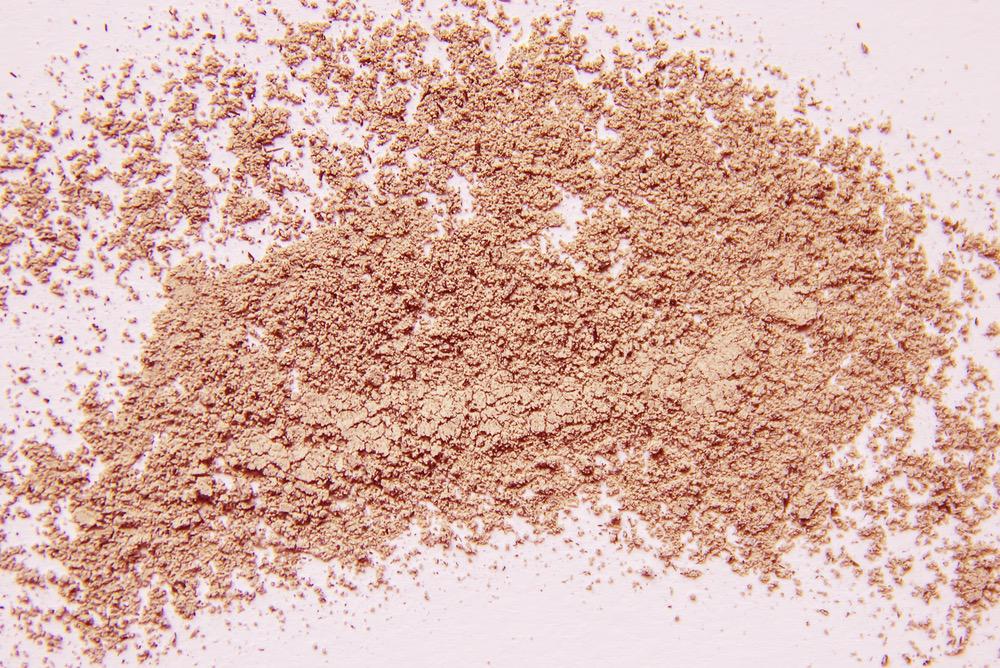
Hello everyone! For all you crafters out there, are you working on any new projects? Are you looking for new projects to try? Have your customers been asking you for something new and exciting? Or maybe you re just looking for a new way to spice up your future crafts or for a new product to use for beautiful homemade gifts for your friends? Well, have you ever tried anything with cosmetic clays before? Actually, rose clay to be exact? Yes, clays can actually be used in cosmetics! Rose clay can be used in many different products and industries! And we also offer six other different cosmetics clays here at Nature s Garden as well! Rose clay is definitely the product to use in your next projects!Did you know that rose clay is also known as pink clay? Actual rose clay can only be produced when the right weather conditions have worn down minerals containing aluminum silicate. While it is native to and originally found in France, rose clay can also be found in Australia, India, Germany, Bulgaria, Brazil, Iran, the United Kingdom, and many other countries worldwide. Rose clay is actually a very gentle and very mild clay that is amazing when used for sensitive and mature skin.There are many wonderful benefits to the uses of rose clay. It can actually be used in many different products and industries, one of them being an amazing ingredient in many bath and body products and cosmetics! Common products that can include rose clay are salt scrubs, face masks, bath bombs, soaps, mud baths, herbal tea infusions, and sugar scrubs. Do you know how rose clay gets its color? The pink color in the clay actually comes from the many iron oxides contained within the clay. There are many health and medicinal benefits from rose clay, especially when used in these bath and body products! For your skin, rose clay actually helps to reduce inflammation, remove dead skin cells, tighten pores, fade hyperpigmentation, and it also removes harmful toxins. Rose clay is also a great exfoliant for the skin, it reduces irritation, increases circulation, regenerates collagen, promotes new cell growth for skin, and also regenerates elastin within the skin.Are you wondering how to get your hands on this wonderful clay as soon as possible? Well then I ll tell you! All you have to do is type rose clay into the search bar on our website. That will take you directly to our Rose Clay Powder page. But don t hurry away so fast, because rose clay just keeps getting better! Here at Nature s Garden, we offer many free classes and recipes using rose clay. Try our Candy Cane Facial Mask or our Perfectly Pampered Shaving Soap, both just happen to be made with rose clay! When you are actually on our Rose Clay Powder page, there is a little green Recipe box on top of the clay picture. If you click on that, it will actually show you the name and picture of both of those fantastic recipes. By clicking either those, they are actually direct links straight to the recipes! Make sure to check out all of our other cosmetic clays as well! Enjoy this product and watch out for more Enlightened by Layla!
Article
Soap Making with Milk
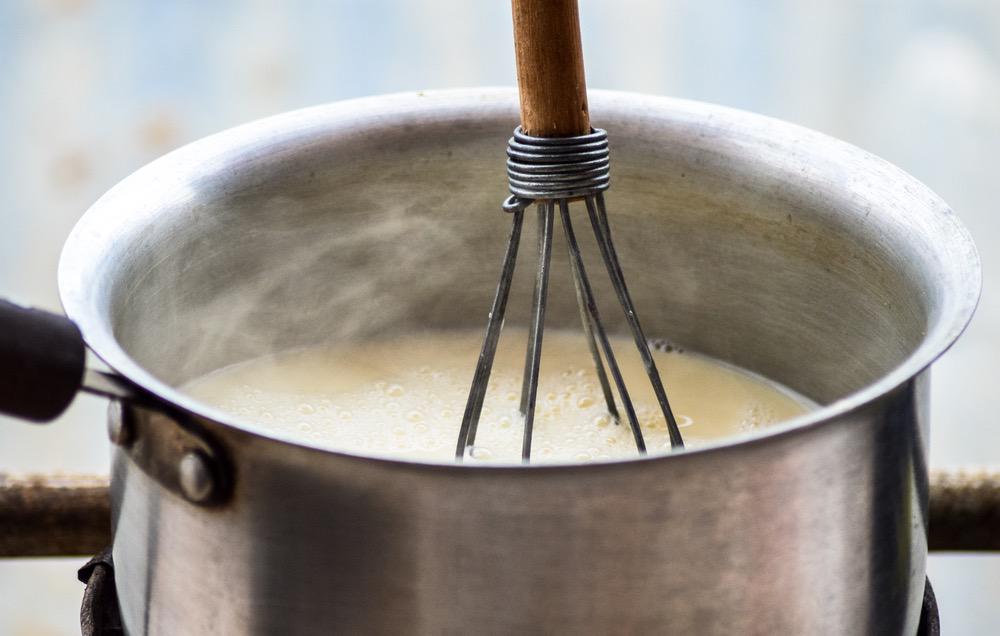
This cold process soap was made with heavy whipping cream. These bars have a very luxurious, creamy, lather and is super nourishing for your skin.In todays market, some of the most popular cold process soap recipes are the ones that involve dairy products such as milks, creams, and yogurts. The reasoning behind this popularity is the fact that cold process soap recipes that use dairy products actually result in finished bars that are very creamy, luscious, soothing, and moisturizing. In fact, milk itself is a gentle exfoliant- a perfect remedy for any sensitive skin types. This is because milk contains lactic acid, which slightly reduces the alkalinity of soap.When it comes down to making the cold process soap recipe, dairy products can be added (if applicable) in 3 forms:1. Fresh (can be added as water for the lye solution, part of the water for lye solution, added to your room temperature oils before the lye solution, or added at light trace.)2. Powdered (combined with a small amount of oil or water to make a liquid- then added at light trace and hand whisked in until incorporated.)3. Canned (used as half the water amount of the water ratio. This is usually added to oils before the lye solution to make the soap batter.)With the exception of the powdered, both the fresh and canned are commonly used in a frozen or slushy (almost frozen) state. This is done for two reasons. The first is to help control the lye solution temperature and the second is to help prevent the dairy product from burning. Burnt dairy products have a very distinct smell and will turn your soap batter a bright orangish color. This is due to the heated lye solution caramelizing the sugars in the milk. A great step to help minimize this reaction is to give the container you are mixing your lye solution in an ice bath. The other option that you have is to add the frozen/slushy dairy product at trace, allowing the batter to thaw the frozen like diary product. Then, blend well with a stick blender to incorporate.Temperature is everything.One of the most important things to realize when working with dairy products is their sensitivity to heat. This comes into play if you are mixing all or some of the dairy product to make the lye solution (which heats as the reaction is taking place.) Dairy products will burn and/or curdle if not combined correctly. The best way to combat this is to closely monitor the temperature of the lye solution using a thermometer. You never want the temperature to go above 90 degrees Fahrenheit. The other tip to help control the heat of the lye solution is to take your time when adding the lye. Sprinkle in small amounts and stir. The key is to wait a few minutes in between the next small addition of lye again. Do not be afraid to truly take your time with this step. A good time gauge to set for yourself is 10-15 minutes to add all of the lye to the lye solution. This will help control the overall temperature of the lye solution.There is no set rule as to how much of the dairy product to use as the water portion of the lye solution. Some soapers prefer to use the dairy as the full water portion. Others play it safe by using a 50% ratio (half milk and half water.) This works by making a super concentrated lye solution (the full amount of lye the recipe calls for; then split the water amount in half. Mix the lye into the water. Let cool. Add the rest of the unused water portion as the milk- which is added to the room temperature oils before the lye solution is added to make the batter. The last option is the dairy product at 25% of the water ratio. This is done the same way as the 50% ratio, only it is 25% of the total water amount.The rest of the soaping recipe is done normally.Other things to consider:Superfatting may be affected. Do not forget to figure in the fat percentage of the dairy product. For the most part, general milk products (where the fat percentage is 4-6%), really won t affect your end bar. However, using a product like heavy whipping cream (which has a fat of 36%) will directly affect your end bar. In this instance, you may what to use the dairy portion of 25% of your water ratio. That is unless you play with your superfatting percentage number.Rancidity of your soap is always a possibility when using larger portions of dairy products in your recipe; especially those that have high fat content.Our Findings:Recently, we tried our hand at making cold process soap with the addition of heavy whipping cream. For our recipe, we selected the cream to be 25% of our water ratio since we did not want to majorly superfat our soap. The frozen heavy whipping cream was added to our soaping oils/butter before the lye solution. We found that this method worked perfectly. We had no issues with the remaining soap procedures.In the end, the bars that resulted were exactly as we imagined- pure creamy bliss! And, with all of the wonderful nourishing benefits that dairy products have; our skin loved it too.To see the full recipe for Natures Gardens Cleopatra Heavy Cream Cold Process Soap Recipe, click on the link. Or, you can also find the recipe on Natures Garden s website under the Free Recipes and Classes area.

Article
Sodium Lactate in Soap & Lotions
Sodium Lactate: Most commonly derived by the fermentation of corn or beets, this natural body product additive has a smooth, clear appearance with almost no odor.Sodium Lactate is quickly gaining the spotlight as an additive in the creation of bath and body products. Although it is not a mandatory ingredient, sodium lactate can hold its own when it comes to functionality in a recipe. Sodium lactate, a water soluble ingredient, is added during the water phase of the creation. It is used in bath products and has many beneficial aspects to its use. It is a natural moisturizer, humectant (bringing moisture to itself), and pH regulator. Sodium Lactate is used in a variety of bath products such as soaps, lotions, and shampoos. In fact, when it comes to lotion formulations, sodium lactate can be used to replace vegetable glycerin. Why is this a benefit? Using sodium lactate instead of vegetable glycerin will give you a final product that lacks the stickiness that usually occurs when using vegetable glycerin in a lotion recipe. Sodium lactate also helps reduce the "greasiness" of the oils in your emulsions, while improving the absorption capability of emulsions. In emulsions like lotions, sodium lactate is used at the rate of 1-3% of the weight of your recipe.Sodium lactate is used in cold process soap recipes to harden the soap, making for a harder, longer lasting bar of soap in the tub. One of the great bonuses of using sodium lactate in your soap recipe is the easier releasing of the soap from the mold, especially if you are using more of a complex shaped mold. Besides adding moisture and conditioning aspects to your soap, sodium lactate helps to increase lather and can even add mildness to the soap.For cold process soap makers, the sodium lactate is added to your cooled lye water solution. What results is a harder bar of soap that will release from the mold easier, and can be cut earlier than the traditional cold process soap. Also, the physical appearance of a soap that has the addition of sodium lactate will improve. The bars will have a creamier look to them, and the soap will provide a more luxurious lather. Sodium Lactate aids in keeping your soap batter in a liquid state longer. This makes coloring/swirling and pouring easier. But once the soap is molded, sodium lactate will harden your soap faster, allowing for the soap to unmold easily.For hot process soap makers, sodium lactate is added to your lye water solution, and other ingredients are mixed in.Testing is key for finding the right percentage of use for sodium lactate in your recipe. For a great starting point is 1/2 oz. sodium lactate per pound of soap oils. But, test, test, test! Be cautious not to add too much sodium lactate, this will cause your soap to be brittle and/or crumbly.Natures Garden is not responsible for the performance of any of the recipes provided on our website. Testing is your responsibility. If you plan to resell any recipes we provide, it is your responsibility to adhere to all FDA regulations. If there are ingredients listed in a recipe that Natures Garden does not sell, we cannot offer any advice on where to purchase those ingredients.
Article
Shea Butter
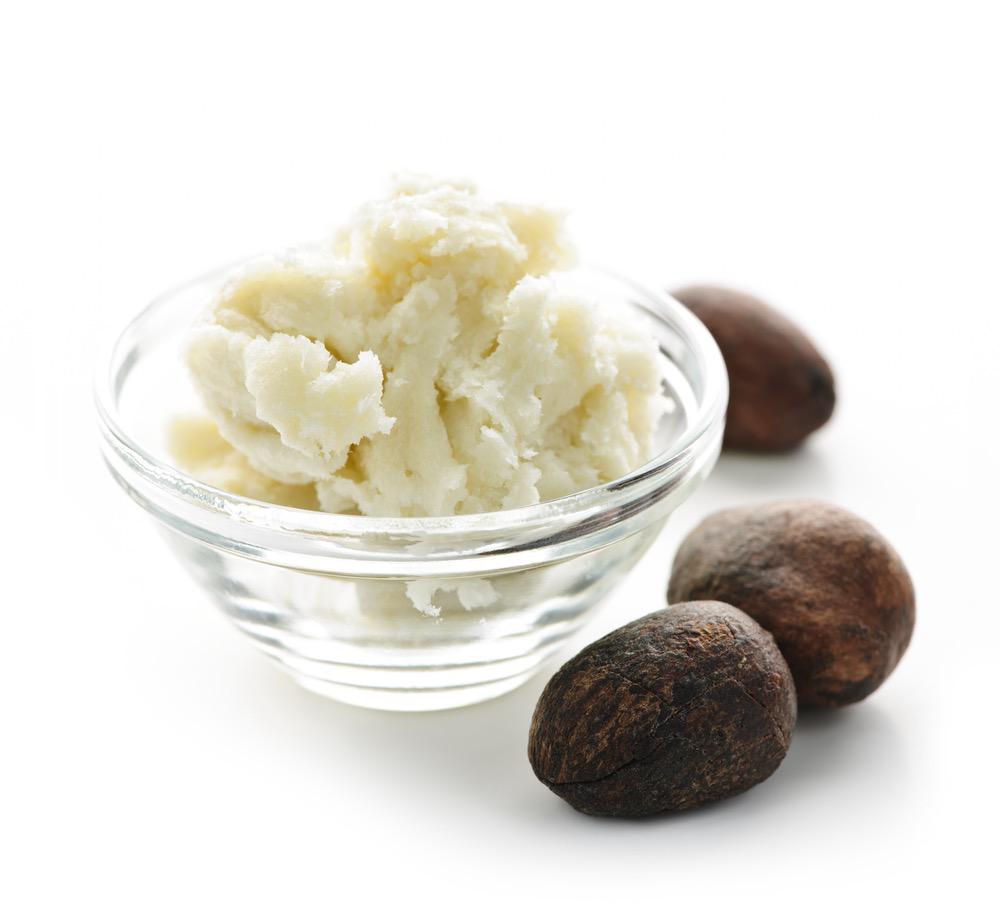
Hey all you creative crafty people out there! Yes, I m talking to you! Do you love making soaps? Have you ever used shea butter in your products before? Well, you should! This great butter has many amazing benefits and it is absolutely wonderful for your skin! Here at Nature s Garden, we offer refined shea butter , unrefined shea butter, as well as shea butter melt and pour soap! We also offer many great free recipes made with shea butter!Shea butter originally comes from Western Africa, from the nuts of the shea tree. The tree itself is considered sacred because of the amazing things it can do for your skin, beauty, health and hair. Legend says that even the Egyptian Queen Nefertiti was said to owe her magnificent beauty to shea butter. There are many fantastic skin and hair care benefits of shea butter, and it can be used in a wide variety of bath and body products. Some of these include soaps, lotions, lip gloss, scrubs, and even lip balms. Shea butter works to deeply moisturize your skin, is great for scarring, wrinkles and fine lines, and helps your skin to produce more collagen. Shea butter is rich in many constituents such as vitamin D and E, and provitamin A and helps to strengthen and protect your skin and also protects it from harmful UV rays. Shea butter is a great antioxidant and even helps to enhance your physical endurance! It has many anti-inflammatory properties, and works to heal small cuts and burns. When used for hair care, shea butter helps to protect the hair from ultraviolet rays, repairs any damage caused by the sun and harsh weather, and works to soften and revitalize brittle and damaged hair. This great butter works to promote new hair growth, moisturizes the hair, and even works to get rid of any excess oils on the scalp.
Article
Uses for Anise
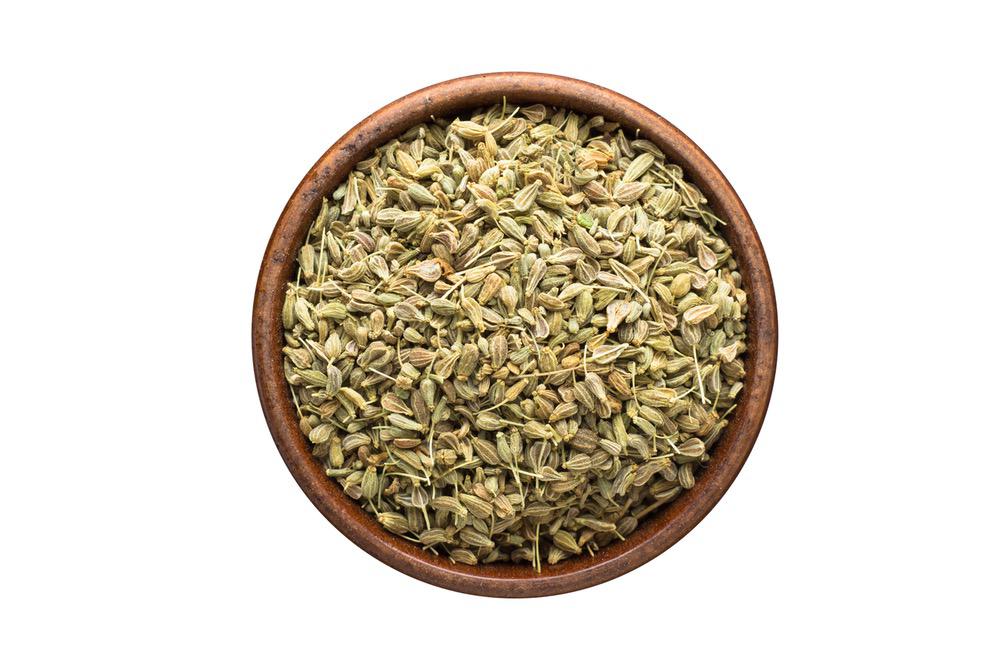
Hello everyone! For all you crafty, artsy, creative people out there, are you always looking for new projects to try? Something new to let your imagination run wild? Well, have you ever tried anything with herbs? To be more specific, have you ever tried anything with anise? Anise is actually an amazing flower that can be used for so many different products and industries! While it is most commonly known for its culinary and medicinal purposes, did you know that it can also be used for skin and hair care? And it can be included in many bath and body products!There is such a variety of uses for anise. When used in bath and body products, anise has so many wonderful hair and skin care benefits. Common products it can be used in are bath teas, bath bombs, bath salts, face tonics, massage oil, lotions, ointments, creams, foot scrubs, body wash, shampoo and conditioner, facial masks and soaps. When used for soap making, anise helps to exfoliate the skin. Anise also helps to keep your skin very soft and smooth and it brings it a beautiful youthful glow. It also helps to treat acne, psoriasis, oily skin, and any damaged or spotted skin. For your hair, there are so many benefits from anise! It helps to stimulate new hair growth, repair damaged hair, and it also brings moisture to dry hair! It can even treat scabies, lice, and other scalp conditions while bringing relief from flakes and dandruff.There are many medicinal benefits to using anise as well. It will help to control blood pressure and heart beat while working as a natural analgesic and reducing any pressure on the heart. Specifically for women, anise helps to ease the pain of childbirth, stimulate menstruation, relieve the pain caused by menstrual cramps, increase milk flow during nursing, and it also helps to increase a woman s sex drive. Anise even helps to relieve the symptoms of male menopause. Anise is also used to treat coughs, upset stomachs, runny nose, insomnia, asthma, seizures, nicotine dependence, constipation, and intestinal gas. It can even increase appetite and urine flow. Anise has many important properties such as being antimicrobial, anti-inflammatory, antispasmodic, antiseptic, carminative, and it is also a natural sedative. There are dental benefits as well. Anise helps to freshen breath and relieve tooth aches. Also, when used in a compress, it can help to relieve eye pain.Did you know that anise is poisonous to pigeons? Or that aniseed oil can be used as a flavoring agent to alcohol? How about that anise leaves can be used as a salad ingredient? The easiest way to get your hands on this amazing product as soon as possible is just by typing anise into the search bar on our website. That will take you directly to a page that offers our Ground Anise Seed, our Anise Essential Oil, and even our Whole Star Anise Seeds. This is definitely a product that you should try as soon as possible! And while you re at it, check out all of our awesome free classes and recipes as well! Please contact us with any thoughts or questions and watch out for more Enlightened by Layla!
Article
Types of Soy Wax
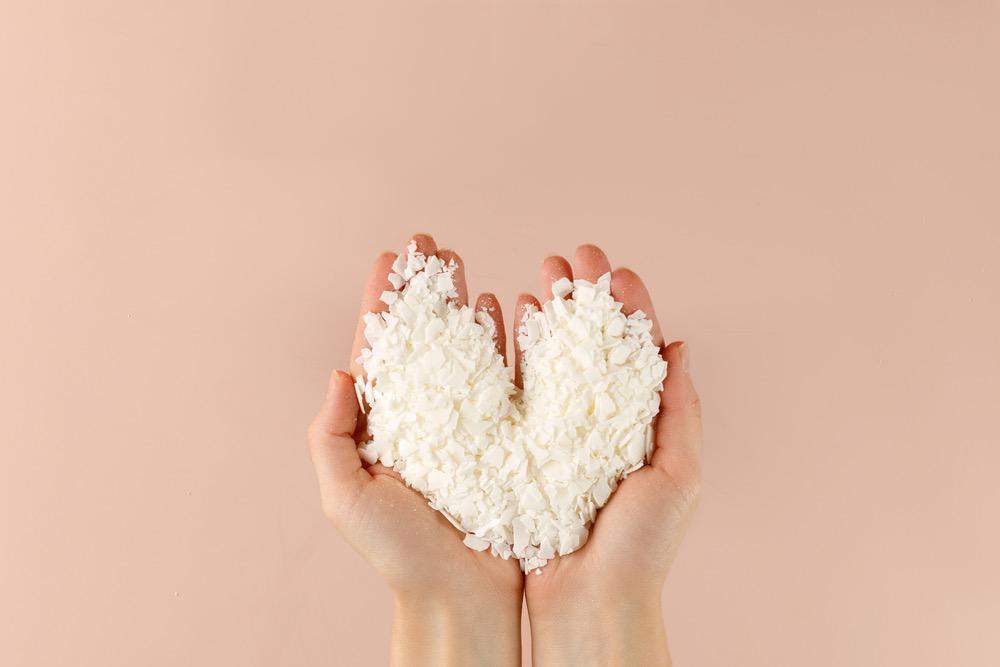
Hello everyone! I hope you re all having a wonderful day! For all you crafty people out there, have you ever used soy wax when making your candles before? Or maybe you prefer wow wax or joy wax? For the soy wax lovers, do you have a certain type of soy wax you prefer to use? Here at Nature s Garden, we actually offer three different types of soy wax: 415, 444, and 464. Soy wax is awesome to use for your candles, this is for sure a product you should use as soon as possible!Did you know that soy wax is actually produced from soybeans? Soy wax is non-toxic, biodegradable, and it s kosher! We are proud to say that all three of our soy waxes are Golden Foods Brand Waxes. Our 415 soy wax is a 100% pure natural soy wax. What sets it aside from our other waxes is that it has absolutely no additives added to it. Our 415 pure soy wax can be blended with many other waxes as well: beeswax, paraffin, and even microcrystalline wax. It has a pour temperature of 110 degrees and at its melting point, this wax will be around 120-125 degrees Fahrenheit. This wax can actually carry up to about a 12% fragrance load per pound because of its high melting point, which will make the candle's scent stronger. This 100% pure soy wax can also be used to make natural cosmetics.Our 444 soy wax is different from the 415 soy wax because it does have a soy based additive added to it, but yet it is still a natural wax. The additive in this wax actually helps to combat many flaws that are also contained in the 415 wax. When this 444 wax is ready for pouring, the additive in it actually helps to keep it in a fluid form for pouring instead of the slush that occurs when the 415 is ready for pouring. This additive also increases the pour temperature, helps to achieve a smoother finished candle, and also helps to reduce frosting issues. Our 444 wax can be blended with microcrystalline, beeswax, and paraffin waxes, has the same melting point as the 415, and a pour temperature of 135 degrees Fahrenheit. It also has a 12% fragrance load per pound, making these strongly scented candles as well.Our third and final soy wax is our 464 Golden Foods soy wax. This wax is extremely similar to our 444 soy wax and also contains the same soy based additive. What makes this wax unique from the other two is that it reduces frosting, has a smoother wax finish in finished candles, and also has an increased pour temperature of 135 degrees Fahrenheit. The 464 soy wax can be blended with beeswax, paraffin wax, as well as microcrystalline and has a melting point of 115-120 degrees. The fact that this is a lower melting point actually helps to achieve better glass adhesion for finished candles. This wax has a maximum scent load of around 10-12%, but it is suggested to keep it closer to 10% so that you do not have any fragrance seeping problems.It is important to note that all soy wax can produce a frosting appearance due to its natural chemical makeup. The natural soy additives in 444 soy wax and 464 wax will help to reduce this frosting, but may not completely prevent frosting from occurring. This frost look does not affect the quality of your candles, but some of our customers do not like this frosting look. Most people who are familiar with soy wax candles realize that soy wax candles have this natural frosting appearance to some extent. The only way we have found to completely prevent frosting in candle making is to use a paraffin wax, or beeswax instead.Make sure to check out our awesome class on How To Make Soy Wax Candles, or try out our Soy Wax Kit! Enjoy these wonderful products and keep watching for more Enlightened by Layla!
Article
What Is a Wickless Candle?
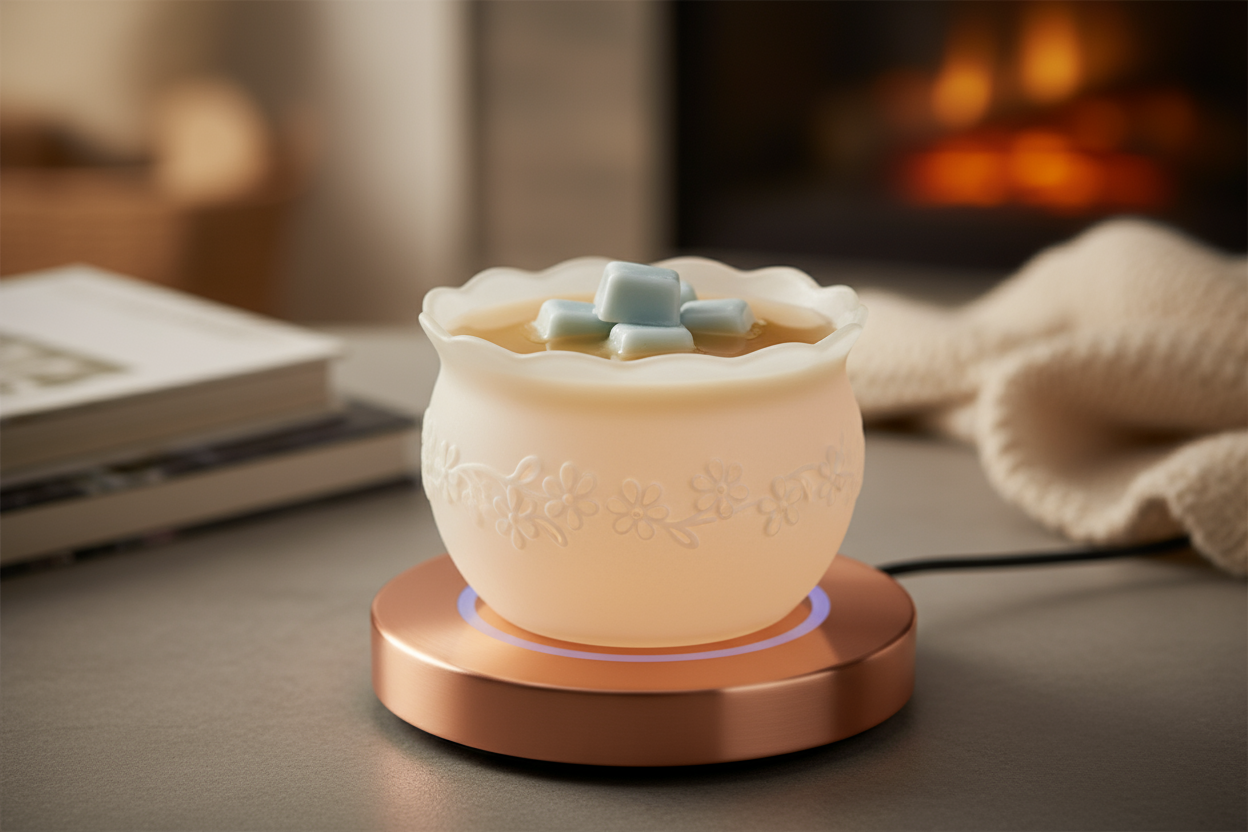
Wickless candles offer a flame-free way to enjoy scent without the worry that comes with traditional candles. But what is a wickless candle, exactly? At its simplest, it’s a scented candle made without a wick, designed to be warmed, not burned. That means no open flame, no soot, and no wick to trim. Just pure fragrance, delivered in a safer and often longer-lasting form.
If you’re exploring alternatives to flame-based candles, wickless options open up an entire world of scent possibilities, especially for spaces where burning isn’t an option.
How Do Wickless Candles Work?
Instead of using a flame, wickless candles release fragrance through heat. Typically, you’ll place a wickless candle in a wax warmer. These warmers gently melt the candle from below or within, allowing the scent to fill the room without combustion. You can use electric wax warmers with a small heating element or choose ones that hold a tealight below. The key is low, even heat that melts the wax slowly and safely.
The wax is often poured into a heat-safe, candle-specific container made from glass or ceramic, just like with traditional jar candles. Some wickless designs are even shaped like pillar candles, while others mimic the look of taper or tea light styles. What makes them different is how they’re used.
How to Use Wickless Candles at Home
Using a wickless candle is simple. All you need is a compatible wax warmer:
Place the wickless candle (or wax portion) into the warming dish.
Turn on your electric warmer or light the tealight if using a traditional warmer.
As the wax melts, fragrance begins to release and spread throughout your space.
Because there’s no flame, you can use wickless candles in dorms, offices, classrooms, or any setting where burning a candle isn’t allowed. They’re also great for homes with pets or children where open flames can be a concern.
If you’re wondering how to use wickless candles in small or drafty areas, just be sure the warmer is placed on a stable, flat surface and away from air vents or windows that can disturb heat distribution.
Types of Flameless Candles: More Than One Option
Wickless candles fall under the broader category of flameless candles, but they’re not the only option. Here’s how they compare to other popular flame-free choices:
Wickless wax candles: Real wax, no wick. These are melted in a warmer and offer a traditional candle experience without flame.
LED candles: Battery-operated and often shaped like taper, tea light, or pillar candles. Many come with flickering flame effects or remote control features for added ambiance.
Wax melts: Similar to wickless candles but typically poured into molds or clamshells and used in small portions.
Oil diffusers: A separate category entirely, but also offer flame-free fragrance.
While LED lights create a visual effect, wickless candles offer the scent-focused experience of real wax, just without the fire.
What Is the Point of a Wickless Candle?
A wickless candle lets you enjoy the scent and aesthetics of a candle without the fire hazards. That’s especially important for those who love home fragrance but can’t, or don’t want to, use open flames. Whether it's due to building restrictions, young kids at home, or sensitivity to smoke, wickless candles provide a way to keep fragrance part of your everyday space.
They also tend to last longer in terms of scent output. Since you’re not burning the wax away, it can be melted and remelted several times before the fragrance fades. Some users prefer the clean look and ease of cleanup with wickless setups too, no soot, no tunneling, and no risk of forgetting to blow it out.
Are Wickless Candles Safe?
Wickless candles are widely considered a safer alternative to traditional candles. Because there’s no flame, there’s less risk of fire, smoke, or hot wax splatter. However, it's still important to follow basic safety:
Use warmers on a heat-safe surface.
Don’t leave them unattended while in use.
Keep them out of reach of pets and children.
Always use appropriate, candle-safe containers.
For candle makers and hobbyists, wickless designs are also a fun way to work with fragrance oils without needing to test for wick compatibility or burn performance.
How Long Do Wickless Candles Last?
The longevity of a wickless candle depends on a few factors:
Fragrance load: How much fragrance oil is in the wax.
Warmer temperature: Higher temps may release scent faster but reduce lifespan.
Size of the wax: Larger pours take longer to melt and can last for multiple uses.
In general, a well-formulated wickless candle can provide 20 to 40 hours of fragrance output, sometimes more if used intermittently. Once the scent fades, you can remove the wax and replace it with a fresh pour or new melt.
Wickless Candles Are All About Flexibility
From small apartments to scent-filled shops, wickless candles let you enjoy your favorite fragrances in more places. Whether you're sensitive to smoke, limited by rules against open flames, or simply love experimenting with new wax formulas, wickless options give you more control over how and where you enjoy scent.
If you’re curious about making your own, Nature’s Garden carries all the supplies you need to pour clean, strong-scented wickless candles, just remember to use proper containers and check your fragrance oil usage against current IFRA guidelines.

Article
Types of Incense Around the World
Incense has been a cornerstone of cultural, spiritual, and personal rituals for centuries, with each region of the world contributing its own unique methods and ingredients. From sacred ceremonies to everyday relaxation, incense connects us to tradition while creating an atmosphere of peace and tranquility. Let’s explore types of incense from around the world and their distinctive qualities.
What is Incense?
Incense refers to aromatic substances that release fragrant smoke when burned. It comes in various forms, including sticks, cones, resins, and powders, and is made from a mix of natural ingredients such as wood, herbs, resins, and essential oils. Different regions craft their incense with unique ingredients and techniques, leading to a wide variety of styles and uses.
Types of Incense by Country
1. Indian Incense
Indian incense, also known as agarbatti, is renowned for its vibrant fragrances and spiritual significance. Typically made with bamboo sticks, charcoal, and fragrant oils, Indian incense is often used in meditation, prayer, and ceremonies. Common scents include sandalwood, jasmine, and patchouli.
2. Japanese Incense
Japanese incense is crafted with precision and artistry, often without a bamboo core for a cleaner burn. Known as "koh," it features subtle and refined scents like aloeswood, agarwood, and cherry blossom. Japanese incense is frequently used for tea ceremonies, Zen practices, and relaxation.
3. Tibetan Incense
Made without a stick core, Tibetan incense is hand-rolled from natural herbs, spices, and resins. These blends often include medicinal and therapeutic ingredients, such as juniper, myrrh, and saffron. Tibetan incense is traditionally used in religious ceremonies and healing rituals.
4. Middle Eastern Incense
The Middle East is famous for its use of resin-based incense, such as frankincense and myrrh. These types of incense are burned on charcoal to release their rich, earthy aroma. Often used in religious ceremonies and hospitality traditions, Middle Eastern incense is deeply tied to cultural identity.
5. Chinese Incense
Chinese incense sticks are commonly used in temples and homes for spiritual offerings and relaxation. Ingredients like sandalwood, camphor, and agarwood are combined to create scents that balance energy and promote harmony.
6. African Incense
In Africa, natural materials such as tree barks, herbs, and resins are used to create incense. Frankincense and myrrh are especially popular, symbolizing purification and spirituality. African incense often plays a key role in traditional ceremonies and rituals.
7. Native American Incense (Smudging)
Native American cultures use dried herbs like white sage, cedar, and sweetgrass for smudging ceremonies. The smoke is believed to cleanse negative energy and purify spaces, making it a powerful spiritual tool.
Different Types of Incense Forms
Incense comes in various forms, each suited to different uses:
Sticks: Popular for meditation and relaxation, incense sticks are easy to light and widely available.
Cones: Compact and convenient, cones burn faster and produce an intense aroma.
Resins: Resins like frankincense and copal are burned on charcoal for ceremonial uses.
Powders: Used in rituals, powdered incense can be sprinkled over hot embers for a strong, lasting scent.
How to Use Incense Around the World
No matter the type of incense, its uses are universal:
Spiritual Practices: Incense is a key component in rituals, prayers, and meditation across cultures.
Aromatherapy: Many types of incense offer calming and therapeutic benefits, perfect for relaxation or focus.
Celebrations and Traditions: Incense is often used during holidays, weddings, and festivals to enhance the atmosphere.
Explore Incense-Making with Nature’s Garden
Curious about creating your own incense inspired by incense around the world? Nature’s Garden offers premium incense-making supplies, including DPG solvent, bamboo sticks, and a wide range of fragrance oils to bring your unique vision to life.
Crafting incense is an art that connects us to ancient traditions while allowing us to create something truly personal. Explore different types of incense and bring the world’s most beloved aromas into your space with Nature’s Garden!
Article
Types of Candle Wicks
Choosing the right wick for your homemade candles is one of the most important parts of candle making! The candle's wick is what feeds the flame to keep it going, as the wick collects the candle wax vapor as the wax is heated. So, a good wick will keep your flame burning evenly and for a long time! Since there are many types of candle wicks, we thought it would be useful to have a guide with candle wick information all in one place. So, this blog explains the importance of choosing the best wick along with some details on the wicks available from Natures Garden!Types of Candle Wicks: Choosing a TypeThere are three main types that nearly all candle wicks fall into. First, we have the most common type of candle wick, which are flat wicks. These are usually made from three bundles of fiber knitted together and are very consistent in burning. Plus, they curl in the flame for a self-trimming effect. Second, we have square wicks, which are often braided or knitted. These will curl in the flame, but are a bit more rounded than flat wicks and are better able to resist clogging. Lastly, we have the cored wicks, which use a core material around the braided wick to keep it upright. These wicks have a round cross section and use different materials, like cotton, paper, zinc, or tin, to keep the wick upright.Types of Candle Wicks: Why Are Wicks Different Sizes?Choosing the proper wick is very important. The size and type you need depends on the size container and type of wax you use. Every candle is unique and many come in different shapes and sizes, so wicks come in different sizes too! For the wick, both its length and width have a purpose for the candle. Also, you will need to know that the different numbers signify the size of the wick. This means that a CD-10 wick is more narrow than a CD-12, which is why the CD-12 wick can cover a larger candle radius compared to the CD-10. We should also note, when a candle wick is created, it is then coated in wax. At times, this coating can make a smaller wick appear larger than a bigger sized wick. It's not really larger, it simply has a thicker wax coating than the larger candle wick.Types of Candle Wicks: Why is my candle wick mushrooming?One issue that you can have due to choosing the wrong size wick is mushrooming. This is when a build up of carbon forms on your wick and creates a sort of mushroom-like shape. If your wick is too large for you container, then your candle will burn way too fast. This rapid burning leads to an increased amount of build up in a short time and causes the mushrooming appearance.Types of Candle Wicks: What is tunneling in candles?Another issue that you could run into is tunneling. This is when the flame doesn't burn all the way to the edges, which leaves a ring around the outside. Not only does this waste parts of you candle that could've been put to good use, but this can make it difficult to relight as the flame begins to drop further. Some times you can have this with the correct sized wick, but there are ways to prevent this from happening. For example, a memory burn and longer burns can make sure that all of the wax is used as the flame burns. However, a wick that is too small for your container will tunnel no matter what you do.Types of Candle Wicks: CD Candle WicksFirst, we have the CD Candle Wicks, which are made of a flat, cotton braid with a special paper around it. This is perfect for a hot flame as this gives the wick excellent capillary action. Also, this wick will provide a cleaner burn, is basically self- trimming, and can be used in any type of wax. If you are looking for the best wick for soy wax or vegetate wax, then this is a good option to try out! So, its no wonder why this wick is a favorite for many of us at Natures GardenTypes of Candle Wicks: Guide for CD Candle Wicks CD5 candle wicks- Use with votives and containers 2 inch in diameter. CD7 candle wicks- Use with containers approximately 2.5 inches in diameter. CD10 candle wicks- Use with Medium sized containers approximately 3 inches in diameter. CD 12 candle wicks- Use with medium sized containers approximately 3- 3.5 inches in diameter. CD14 candle wicks- Use with Large sized containers approximately 4 inches in diameter. CD16 candle wicks- Use with large sized containers approximately 4.25 inches in diameter. CD18 candle wicks- Use with large containers approximately 4.5 inches in diameter. CD20 candle wicks- Use with extra large containers approximately 5 inches in diameter. CD 22 candle wicks- Extra large wick for use in large containers approximately 5.5 inches in diameter.Types of Candle Wicks: Hemp Candle WicksNext, we have the Hemp Candle Wicks. These are braided wicks like many candle wicks, but they use natural hemp fibers instead of the typical cotton fibers. This makes the wick more rigid, so it can stay more on its own. Plus, these fibers allow the candle wick to provide a hotter burn. This wick can be used perfectly for any and all candle waxes. Plus, this wick is another great one to try for anyone looking for the best wick for soy wax!Types of Candle Wicks: Guide for Hemp Candle Wicks 838 Hemp candle wicks- use for votives and small candles- 1.5 to 2 inch diameter. 1400 Hemp candle wicks- use for large candles- 2.5 to 3 inch diameter. 60048 Hemp candle wicks- use with extra large candles- 3.5 to 4 inch diameter.Types of Candle Wicks: HTP Candle WicksAlso, you can try out the HTP Candle Wicks. These wicks are mad from a blend of paper fibers and cotton fibers that create a flat, braided design. This design provides the wick with a hotter and cleaner burn that you are sure to enjoy! Plus, this wick's cleaner burn is able to reduce any issues with either smoking or mushrooming. Although these wicks can be used effectively in any kind of candle wax, we would recommend these wicks for your Gel Wax or Soy Wax. HTP wick's performance for these two types of wax is phenomenal!Types of Candle Wicks: Guide for HTP Candle Wicks HTP-31 candle wick (2.5 inch) (20mm tab, 3mm neck)- Use for votives or small containers with a diameter of approximately 1.5 inches. HTP-52 candle wick (4 inch)(20mm tab, 3mm neck) - Use for containers with a diameter of approximately 2.5 inches. HTP-73 candle wicks (6 inch)(20mm tab, 3mm neck) - Use for medium sized containers with a diameter of approximately 3 inches. HTP-83 candle wicks (7 inch)(20mm tab, 3mm neck) - Use for medium sized containers with a diameter of approximately 3.5 inches. HTP-104 candle wicks (7 inch) (20mm tab, 6mm neck)- Use for large containers with a diameter of approximately 4 inches. HTP-1212 candle wicks (7 inch) (20mm tab, 6mm neck)-Use for extra large containers with a diameter of approximately 4.5 inches.Types of Candle Wicks: Zinc Core Candle WicksLastly, we have the Zinc Core Candle Wicks. These wicks are the most popular for creating homemade candles. These wicks have a cotton fiber braid surrounded by a zinc core. Also, these wicks can be used in all applications.This style of wick is great for creating container candles as the zinc core allows the wick to stand up. While you can use these wicks in vegetable waxes, you will need to go up a size on your wick. Instead of using the normal size wick for your container, just get a size bigger as these wicks don't burn as hot as other candle wicks.Types of Candle Wicks: Guide For Zinc Core Candle Wicks 1 3/4 inch zinc core candle wick (44-20-18z)- great for tealights, and small containers with a diameter of about 1 inch. 2 1/2 inch zinc core candle wick (44-28-18z)- great for votives, and containers with a diameter of about 2 inches. 7 inch zinc core candle wick (44-24-18z)- great for candles with diameter of 2-2.5 inch diameter. 7 inch zinc core candle wick (51-32-18z)- great for candles with a diameter of about 2.5 to 3 inches. 6 inch zinc core candle wick (44-28-18z)- great for candles with a diameter of about 2-2.75 inches. Also, a nice wick for cylinder candles. 7 inch Extra Large zinc Core candle wick (62-52-18z)- great for candles with a diameter of 3 inches to 4 inches. 3 inch self centering zinc core candle wick (44-24-18z)- great for votives and candles with the diameter of 2-2.5 inches. These wicks self center themselves due to their 33 mm wick tabs.Types of Candle Wicks: Spooled Candle WickingAnother fun option to consider when choosing your wicks is the Spooled Candle Wicking- 8 oz. Roll. You can get about 400 feet of this spooled candle wick in either the 44-24-18 zinc core candle wicking or the 34-30 cotton wicking. According to our own candle testing, both of these types of wicks will be able to handle a diameter of between 2 inches and 3 inches. So, this wicking could be beneficial for making pillar candles, as they are taller than most of our other wicks. Further, you can cut each wick to the exact size. This means you will have less wasted wicking due to trimming.Types of Candle Wicks: Candle Wick TabsAdditionally, you may want to get Candle Wick Tabs to go along with your spool of wicking. These tabs come in a few different sizes that vary in width and neck height. The width of the tab gives your wick a base to hold the wick in place. There are 15mm, which are great for tea lights, and 20mm, which are most popular for candle making. The neck size controls how far down the wick will burn and protects the bottom of the container from getting too hot, without this the candle glass could over heat and break. This comes in either the 3mm, which is most common for candle making, or the 6mm, which is good for gel wax candles. Unless you are making tea lights or using gel wax, you will likely want to use the 20mm standard 3mm neck tabs.Types of Candle Wicks: Votive Candle Wick PinWhile the Votive Candle Wick Pin isn't necessary a wick, it can be very useful tool for wicking! If you want to create fun candles without containers, then the wick pin is a great way to keep your wick centered. While this pin was designed to create votive candles with perfectly centered wicks, this pin is great for other fun shapes, too! We have use this pin to create cupcake candles, smores candles, and so much more! This particular pin is 2 and 5/16 inches tall, so you can use it for smaller candle designs and, of course, votive candles.Types of Candle Wicks: History of CandlesAccording to the National Candle Association, candles are an ancient tool that have evolved right along side mankind. Beginning as primitive candles with reeds or beeswax, early Egyptian and Roman societies used these to light their homes and perform ceremonies. Then, the candles changed over the centuries as the ingredients were improved and changed. Overtime, they went from a source of light to a method of scenting the home, as we use them today.Types of Candle Wicks: Give Us a ShoutWe hope that you learned something new that you can use in future candle making. If you are interested in learning more, then you can find more detailed information on either our wicking chart or Science of Candle Wicking Class. Also, you can reach out to us at Natures Garden with any other unanswered questions. An easy way to contact us is through social media. We are available on our Facebook page. Also, you can find us on Instagram and Twitter with @ngscents. We can't wait to hear from you!Note: We do not accept returns on our wicks.