Castor Oil Benefits and How to Use It
If you’ve spotted castor oil on an ingredient label and wondered what it’s doing there, you’re in the right place. This guide covers what castor oil is, how it performs in hair and skin products, why soap makers love it, and how much to use so your next batch turns out the way you pictured.
One note before we dig in: everything here is about cosmetic use. Castor oil can make your creations look and feel amazing, but it isn’t a treatment for any condition.
What Is Castor Oil (and Ricinoleic Acid)?
Castor oil is a thick plant oil pressed from the seeds of the castor plant, Ricinus communis. It’s made up mostly of ricinoleic acid, a fatty acid with an unusual structure that gives the oil its heavy body, glossy finish, and lather boosting power in soap. Makers use it when they want shine, slip, and richness.
Most carrier oils are a blend of familiar fatty acids like oleic and linoleic. Castor oil is different. It can contain up to 90% ricinoleic acid, which is why it behaves differently than anything else on your shelf. If you’re still getting to know plant oils, our guide on what is a carrier oil is a great place to start.
Ready for a super quick science lesson? Ricinoleic acid carries an extra hydroxyl group on its carbon chain. Thankfully you don’t need a chemistry degree to appreciate it, because you can feel the result. That small difference makes castor oil:
- Thick and cushiony, far heavier than olive or sweet almond oil
- Unusually friendly with alcohol, which most oils are not
- Great at carrying color, which is why it shows up in so many lip products
- Reliable on the shelf, with good stability compared to many lighter oils
Curious about safety? The castor seed itself contains ricin, but the oil is a different story. The Cosmetic Ingredient Review expert panel assessed castor oil and concluded it is safe as used in cosmetic products.
Castor Oil Benefits for Hair and Skin
Castor oil benefits show up the second you pour it. It moves slowly, almost like honey, and that heavy texture is exactly what makes it so useful. A little castor oil gives lip balm a glossy finish, gives hair oil serious slip, and turns an ordinary soap lather into rich, creamy bubbles.
In hair and skin products, castor oil benefits are all about feel and finish. It adds gloss to hair and lip products, gives oils and balms more cushion and slip, and helps a formula sit on the surface so it feels rich instead of vanishing right away. A small amount changes the whole texture of a recipe.
Shine and slip for hair
Castor oil coats each strand with a glossy layer, so hair looks shinier and feels smoother. Its thickness adds slip that helps a comb glide through. On its own it can feel heavy and take a couple of washes to rinse out, so most makers blend it with a lighter oil for a hair serum or pre-wash treatment.
You’ll see castor oil talked up online as a hair growth fix, but know that claim isn’t backed by solid evidence. What castor oil reliably does is condition and add shine, and that’s plenty to make it worth a spot in your hair care recipes.
Gloss and color for lips
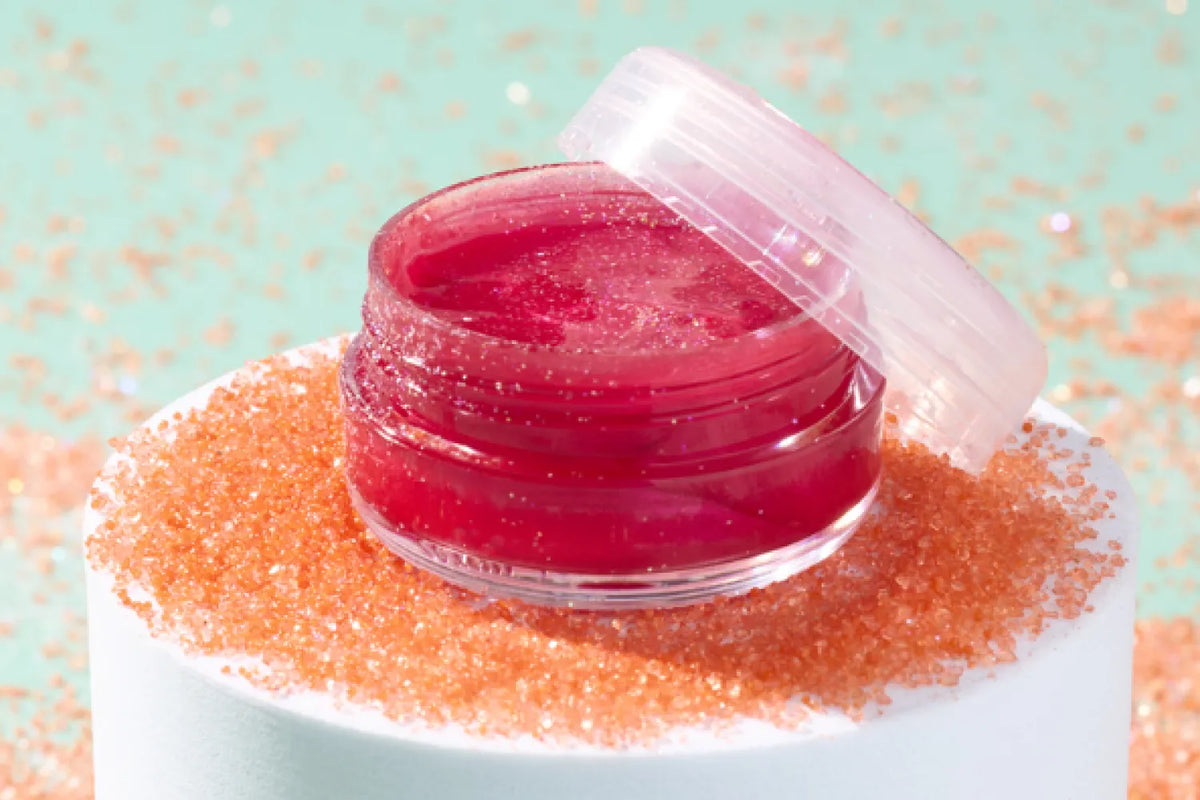
This is where castor oil really shows off. It’s a classic ingredient in lipsticks and glosses because it gives a wet look shine and helps spread color evenly. Swap a little of the oil in your favorite lip balm base for castor and you’ll notice the difference on the first swipe.
Cushion for body butters and balms
In body butters, solid balms, and massage blends, castor oil adds a plush, cushiony feel that leaves skin feeling soft. Because it’s so thick, a little goes a long way. For lighter, faster absorbing partners, pair it with apricot oil or safflower oil and play with the ratio until the texture feels just right.
How castor compares to lighter carrier oils
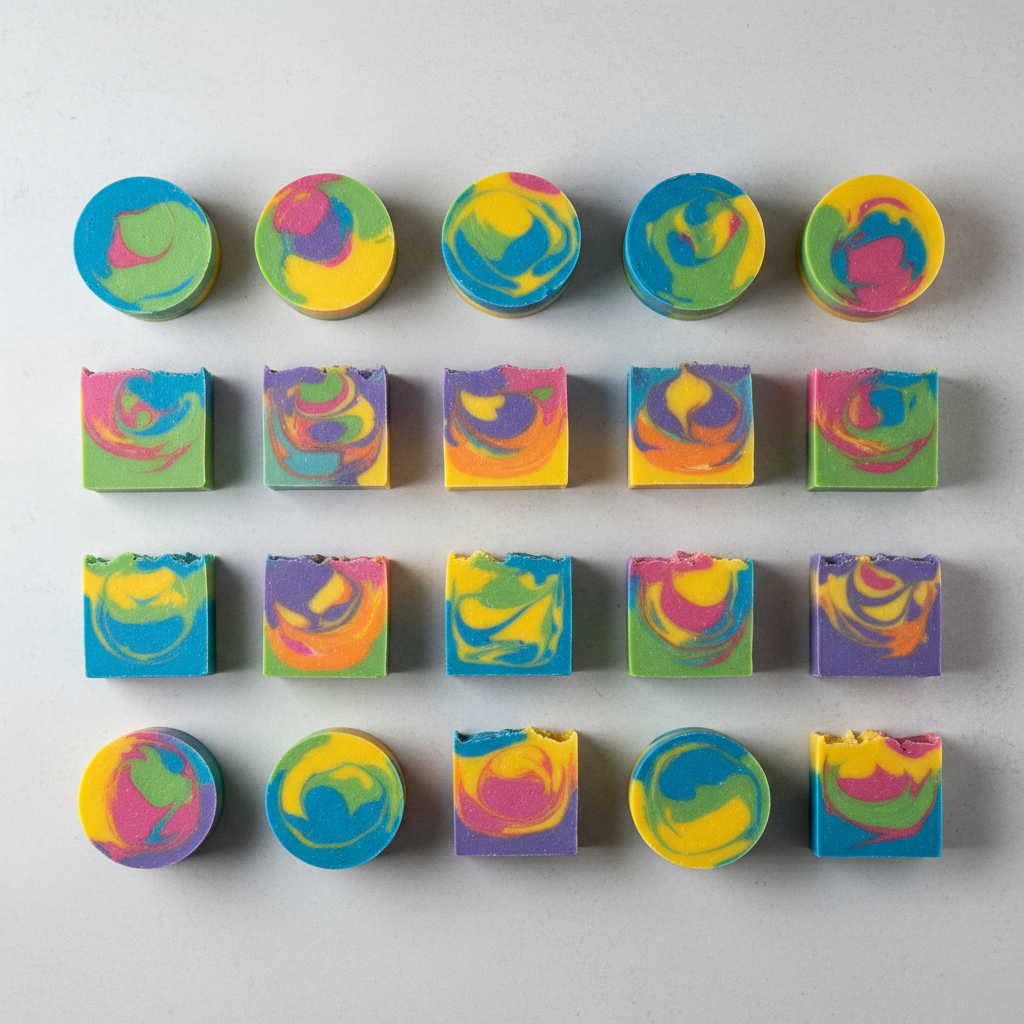
Castor Oil in Soap (Lather Booster)
Castor oil in soap works as a lather booster. Used at a small percentage of your total oils, it helps bars produce big, stable bubbles with a creamy, conditioning feel. Use too much, though, and the bar turns soft and sticky. Most soap makers keep castor between 5 and 10% of their oils.
Here’s how it works. Castor oil helps the lather from your other oils hold together, so bubbles last longer and feel richer in your hands. Coconut oil gives you big, fluffy bubbles and olive oil gives you a gentle, creamy lather. The castor oil doesn’t make much lather by itself.
A few things to keep in mind when you add castor to a soap recipe:
- Recalculate your lye. Every oil needs its own amount of lye, so run the full recipe through a lye calculator any time you add or adjust castor. Brush up on lye safety basics before you start.
- Have everything ready. Castor can speed up trace slightly, so measure your fragrance, colorants, and additives before you start blending.
- Keep it in range. Going far past 10% can leave bars soft, tacky, and slow to cure.
Want a full walkthrough with recipe examples? Our step by step guide on how to use castor oil in soap covers it in detail. Once your lather is dialed in, the next fun step is scent. Find blends that perform beautifully alongside castor oil in soap recipes and give your bars a signature fragrance.
How to Use Castor Oil
To use castor oil cosmetically, blend it with lighter oils instead of using it straight. Start around 10 to 25% in hair and body oils, 5 to 15% in lip balms, and 5 to 10% of total oils in soap. Patch test new blends, then adjust based on the feel you want.
Use these as starting points for your test batches:
Tips for working with castor oil
- Warm it slightly. A short soak in warm water makes thick castor oil much easier to pour and measure.
- Measure by weight. Castor is so dense that volume measurements can throw off your recipe.
- Patch test first. Try a small amount of any new blend on your inner arm before using it more widely.
- Store it well. Keep it tightly capped in a cool, dark spot so it stays fresh between batches.
- Add scent with care. For hair and body blends, choose skin safe fragrance oils and follow the recommended usage rate for each one.
Small test batches are the fastest way to learn what castor oil can do. Make two versions of the same balm, one with castor and one without, and you’ll know right away how much you like.
5 Castor Oil Projects to Try Next
Ready to give Castor oil a try? These projects show off what castor oil does best, and each one makes a great first experiment:
- Glossy tinted lip balm. Swap part of the liquid oil in your balm for castor, then add a pinch of cosmetic mica. Castor helps the color spread smoothly and gives every swipe a soft shine.
- Shine serum for hair. Blend castor with a light carrier oil and a skin safe fragrance. A few drops smoothed over the ends adds instant gloss.
- Bubbly shampoo bar. Castor is a favorite in shampoo bar recipes because its lather feels rich and creamy in wet hair.
- Cuticle oil roller. A small amount of castor gives cuticle oil extra staying power, so it doesn’t wipe off the moment you touch something.
- Beard oil. Castor adds sheen and helps tame flyaways. Keep it to a small part of the blend so the finish stays light, not greasy.
Each of these is a small batch, so you can test, tweak, and try again without using up much oil. Keep notes on every version and you’ll build your own castor oil playbook fast.
Castor Oil FAQ
What is castor oil good for?
Castor oil is good for adding shine, slip, and richness to cosmetic recipes. Makers use it in hair oils for gloss, in lip balms and glosses for a wet look finish and even color, in body balms for cushion, and in soap as a lather booster that keeps bubbles creamy and stable.
Is castor oil good for hair?
Castor oil is a popular hair conditioning oil because it coats strands, adds shine, and helps a comb glide through. It’s thick, so most makers blend it with lighter oils like apricot or safflower. Claims that it grows hair aren’t well supported, so treat it as a conditioner that helps hair look and feel great.
How much castor oil in soap?
Most soap makers use castor oil at 5 to 10% of total oils. Around 5% is a great starting point for a noticeable lather boost. Going much higher can leave bars soft and sticky. Run your recipe through a lye calculator every time you add or adjust castor oil so your bars stay balanced.
Can you put castor oil directly on skin?
You can, but most people prefer it blended. Straight castor oil is very thick and can feel heavy or tacky. Mixing it with a lighter carrier oil makes it easier to spread and more comfortable to wear. As with any new ingredient, patch test a small area first and stop using it if irritation occurs.
Ready to Create with Castor Oil?
Castor oil is one of those ingredients that makes everything around it better. A little turns a basic balm glossy, gives your hair oil real slip, and helps your soap bars bubble up rich and creamy. Grab a bottle of castor oil, and browse our carrier oils for blending partners, and stock up on soap making supplies for your next batch. Start small, test often, and see what you can make.
Sources
- Castor Oil: Properties, Uses, and Optimization of Processing Parameters in Commercial Production, Lipid Insights, 2016 (via NIH PubMed Central)
- Final Report on the Safety Assessment of Ricinus Communis (Castor) Seed Oil and Related Ingredients, Cosmetic Ingredient Review, International Journal of Toxicology, 2007 (via PubMed)