How Cure Time Affects Candles and Soap
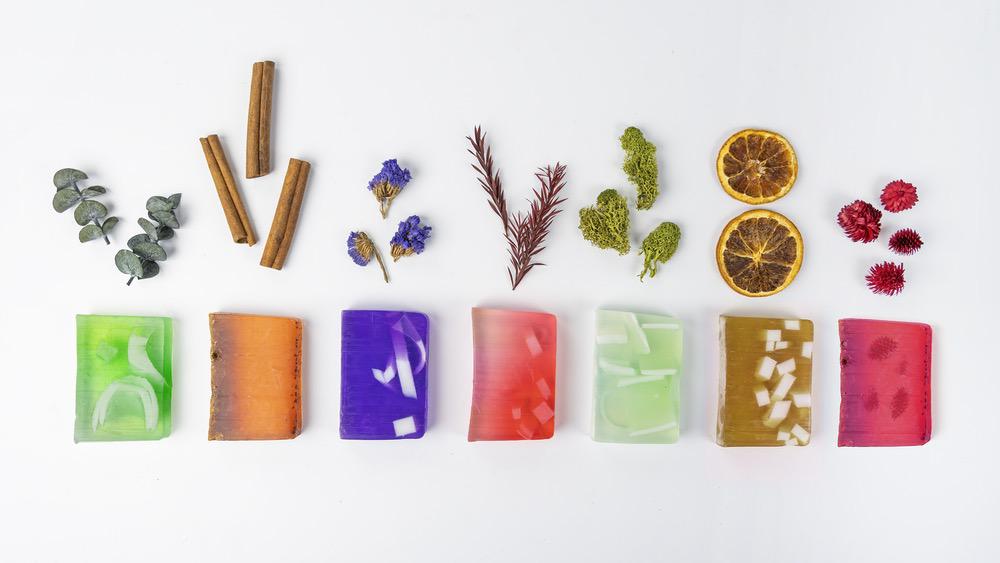
Cure time isn’t just a waiting game, it's a key part of making high-performing candles and soap. Whether you’re crafting soy wax candles or cold process bars, giving your creations time to rest helps improve scent, structure, and overall quality. In candles, curing allows the fragrance to fully bind with the wax, while in soap, it supports a better lather, longer shelf life, and gentler use.
Why Cure Time Matters in Candle and Soap Making
Curing helps your finished product live up to its full potential. For candles, it's what helps fragrance oil settle evenly into the wax, giving your candle the best possible cold and hot throw. For soap, it’s a chance for water to evaporate, pH to lower, and the bar to harden for longer use.
Skipping or rushing the cure stage can mean a candle with weak scent or uneven burn or a soap that’s too soft, too harsh, or quick to dissolve.
What Happens During the Curing Process
In candles, wax continues to firm up and stabilize as the fragrance oil fully integrates. Soy wax, for example, tends to perform best after a full 1–2 week cure time. The longer rest improves scent performance and consistency across batches.
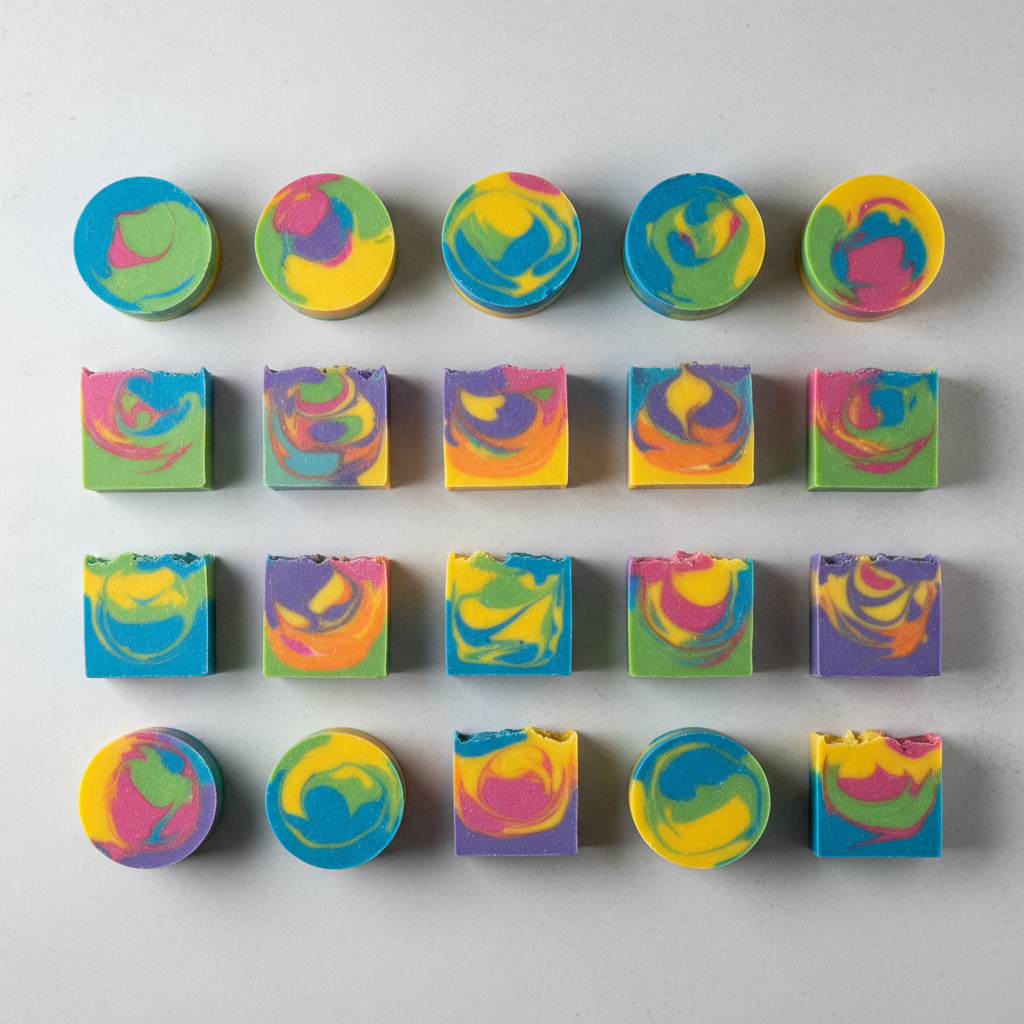
With cold process soap, cure time allows for excess water to evaporate and chemical reactions (like saponification) to complete. This creates a harder, longer-lasting bar with a milder feel on the skin.
How Long Does Candle Wax Take to Cure?
Most soy wax candles need about 7 to 14 days to cure. Paraffin wax usually requires less time, around 3 to 5 days, while coconut wax or hybrid blends can vary.
Keep in mind: hardening and curing are not the same. Wax may look solid within 24–48 hours, but that doesn’t mean it’s fully cured. Curing goes deeper, affecting scent throw and how cleanly the candle burns.
Tips to Speed Up the Curing Without Compromising Quality
You can’t skip curing, but you can help it along:
-
Store candles and soap in a cool, dry place out of direct sunlight.
-
Allow airflow around your products, avoid airtight lids or wrapping during cure time.
-
Use racks or open shelving to give each item space to breathe.
The key is to stay consistent. Temperature shifts and trapped moisture can cause curing setbacks or surface issues like frosting or sweating.
Cure Time FAQs for Candles and Soap
What is the cure time for candles?
Soy wax: 7–14 days. Paraffin: 3–5 days. Coconut or blends: varies—check with your wax supplier.
Should candles be covered while curing?
No. Airtight containers can trap moisture and affect scent or surface texture. Allow for airflow.
How long does it take for candle wax to harden after pouring?
Typically 24–48 hours, but hardening isn’t the same as curing. Wait for a full cure before burning.
What happens if you use soap before it cures?
Uncured soap may feel too harsh or melt away too quickly. Full cure improves gentleness and longevity.
Can I burn a candle before it finishes curing?
Yes, but you’ll likely notice a weak scent and uneven performance. Waiting yields better results.
Does the type of wax affect cure time?
Absolutely. Different waxes absorb fragrance and harden at different rates. Follow supplier guidance for best results.
Disclaimer: Nature’s Garden is not responsible for the performance of any of the recipes provided on our website. Testing is your responsibility. If you plan to resell any recipes we provide, it is your responsibility to adhere to all FDA regulations if applicable. Please also reference IFRA standards for proper fragrance oil usage. If there are ingredients listed in a recipe that Nature’s Garden does not sell, we cannot offer any advice on where to purchase those ingredients. We also do not offer any advice on formulating or altering recipes.